
Introduction
NAD (nicotinamide adenine dinucleotide) is a coenzyme found in every living cell. It plays an important role in energy metabolism and supports many normal cellular functions. Far from being an artificial shortcut to stamina, this organic molecule serves as a critical biological hub that has coevolved with human physiology, ensuring that every tissue in the body has access to a functional internal energy system.
Because NAD is constantly used and recycled by the body, cells rely on various nutrients and compounds known as NAD precursors to help maintain normal NAD levels. In recent years, NAD and its precursors have become popular topics in health and longevity discussions. However, many online claims go beyond current scientific evidence. This guide explains NAD precursors in a simple, balanced, and educational way, helping you understand how these inputs fit into the broader picture of human metabolism. For evidence-based health information, you can always consult trusted resources like the National Institutes of Health (NIH) and the National Institute on Aging (NIA).
During my 6+ years working within community health systems and primary health centers, including NRHM facilities, evaluating patterns of metabolic fatigue and counseling individuals on sustainable well-being was a daily operational focus. In these busy clinic environments, we frequently encountered people who felt entirely drained by the demands of their modern routines. Seeking an immediate remedy for their physical fatigue, they often looked toward experimental or unverified health trends, completely bypassing the reality that their day-to-day lives lacked the core pillars necessary for baseline cellular function.
What my public health background taught me is that cellular resilience and consistent daily energy cannot be forced through isolated compounds alone. Your body’s internal energy machinery depends completely on a steady, predictable daily foundation. To support your cells’ natural capacity to convert fuel cleanly and efficiently, you must first establish a dependable lifestyle structure built around restorative rest, regular physical movement, and balanced nutrition from the ground up.
What Is NAD?
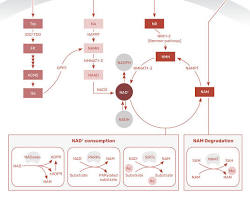
NAD is a naturally occurring molecule involved in hundreds of biological reactions throughout the body. It acts as a primary operational partner within your tissues, performing vital tasks that allow life to sustain itself on a microscopic scale.
Researchers study NAD because it actively participates in:
- Cellular energy production: Assisting in the vital chemical processes that convert food into fuel.
- Metabolic processes: Helping break down fats, carbohydrates, and proteins smoothly.
- Cellular communication: Supporting the signaling networks that allow cells to respond to their environment.
- DNA maintenance: Participating in the pathways that monitor and protect genetic stability.
- Normal biological function: Acting as a baseline requirement for systemic physical health.
More than 400 enzymes in the human body rely on NAD-related processes to execute their routine functions, making it one of the most widely used cooperative molecules in human biology.
What Are NAD Precursors?
A precursor is a substance the body can use to create another compound. In the case of NAD, the body cannot always rely solely on its baseline internal stores; it must continuously synthesize the coenzyme from several dietary precursors, including:
- Niacin (Vitamin B3): A foundational nutrient found commonly in various whole foods.
- Nicotinamide: A form of vitamin B3 often present in nutritional arrays.
- Nicotinamide Riboside (NR): A naturally occurring trace compound studied for its pathway interactions.
- Tryptophan: An essential amino acid found abundantly in protein-based dietary sources.
Scientists refer to these compounds as NAD precursors because they can contribute directly to the body’s natural NAD production pathways, providing the raw materials required to keep the system supplied.
How Does the Body Produce NAD?
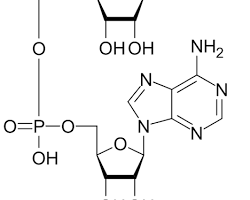
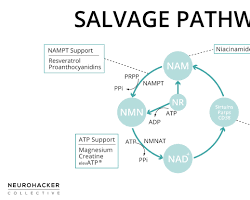
The body has multiple pathways that help maintain NAD levels, showcasing the biological priority our tissues place on keeping this coenzyme available. Researchers have identified several major pathways, including:
The Salvage Pathway
This is one of the body’s primary mechanisms for recycling components and supporting NAD production. Instead of building the molecule from scratch, this efficient pathway takes used NAD products within the cell and rebuilds them back into their active forms, reducing structural waste.
The Preiss-Handler Pathway
This pathway uses niacin-derived compounds to help generate NAD. It follows a distinct sequence of enzymatic steps that converts dietary vitamin B3 into functional coenzymes, supporting general systemic balance.
The De Novo Pathway
This pathway allows the body to create NAD from the amino acid tryptophan. This “from scratch” manufacturing line demonstrates how basic dietary protein inputs can be realigned by your cells to support energy regulation.
These distinct cellular pathways work together continuously to support normal cellular function and preserve metabolic equilibrium.
📊 The Coenzyme Production and Lifestyle Grid
To understand how your underlying health habits and everyday choices influence whether your body’s energy synthesis pathways run smoothly or face chronic systemic friction, review this operational flowchart:
THE CELLULAR PRODUCTION GRID
                       [Daily Dietary & Lifestyle Inputs]
                                       │
         ┌─────────────────────────────┴─────────────────────────────┐
         ▼                                                           ▼
[Fragmented Habits / Strained Systems]              [Balanced Habits / Stable Systems]
 ──► Low Intake of Essential B-Vitamins              ──► Steady Intake of Niacin & Tryptophan
 ──► Inconsistent, Interrupted Rest Patterns         ──► Predictable, High-Quality Sleep Windows
 ──► Unmanaged Daily Tension & Stress                ──► Active Relaxation & Stress Resilience
         │                                                           │
         ▼                                                           ▼
    [PATHWAY INEFFICIENCY]                              [OPTIMAL PATHWAY FLOW]
 (Altered Recycling & Lowered Energy)                (Smooth Salvage & Steady Production)
         │                                                           │
         ▼                                                           ▼
 [Physical Sluggishness & Daily Drag]                [Consistent Vitality & Mental Clarity]
Why Are Researchers Interested in NAD?
Scientists continue studying NAD because it is involved in many important biological processes that govern human vitality. Research areas include:
- Cellular energy metabolism: Mapping how changes in coenzyme levels influence physical stamina.
- Healthy aging research: Tracking how structural pathways shift and adapt over a human lifespan.
- Exercise physiology: Exploring how physical movement patterns alter the demand for energy recycling.
- Metabolic health: Investigating the links between coenzyme availability and blood sugar stability.
- Cellular adaptation: Studying how cells protect their internal balance when exposed to everyday stressors.
While these studies are promising, many findings remain under investigation and should not be interpreted as proven health outcomes in daily human life.
Understanding Systemic Metabolic Connections
Your cellular energy production lines do not operate in a vacuum; they are deeply intertwined with your broader metabolic health, blood sugar balance, and daily choices. When your lifestyle habits align with your natural biological rhythms, your cells can perform their routine tasks with minimal internal friction.
For instance, blood sugar stability directly shapes your cellular environment. If your routine is full of highly processed foods that cause sharp glucose spikes and sudden crashes, it can overwhelm your internal processing lines with an unpredictable flood of fuel. Over time, this constant variation creates an unbalanced environment that can strain your cells’ natural energy production networks, making it harder for them to maintain a steady flow of daily vitality.
Similarly, a chronic stress response acts as a direct roadblock to long-term cellular maintenance. When unmanaged worries keep your nervous system in a constant state of high alert, your body pumps out stress hormones that prioritize short-term survival over routine tissue upkeep and recovery. Giving your system regular opportunities to rest and unwind removes these alert signals, protecting your cells’ natural capacity to restore their internal coenzyme networks cleanly.
Common Misunderstandings About NAD Precursors
Online health forums frequently oversimplify or misinterpret complex biochemical concepts. Here are some critical, research-backed clarifications to keep your approach to health grounded:
- Myth: NAD Precursors Reverse Aging $\rightarrow$ Not supported by data: Current scientific evidence does not show that NAD precursors reverse human aging. Although researchers continue studying NAD-related pathways, aging remains a complex process influenced by many factors.
- Myth: One Compound Can Transform Health $\rightarrow$ A narrow view: Human health depends on sleep, nutrition, physical activity, genetics, environment, and many biological systems working in harmony. No single compound determines overall health outcomes.
- Myth: More Is Always Better $\rightarrow$ An over-simplification: The body’s biological systems are highly regulated, and health decisions should not be based on marketing claims alone. Overloading your system with excessive isolated inputs can disrupt natural feedback loops and internal balance.
Lifestyle Factors That Support Overall Health
Research consistently supports several foundational habits that contribute to systemic resilience. Your metabolic and nervous systems thrive when they receive steady, natural signals that encourage efficient energy production.
To build a reliable baseline for daily vitality, focus on these established areas:
- Regular Physical Activity: Movement supports cardiovascular, muscular, and metabolic health, encouraging cells to expand their baseline energy capacity.
- Quality Sleep: Sleep is absolutely essential for recovery, structural tissue repair, and healthy daily functioning.
- Balanced Nutrition: A varied diet helps provide nutrients and raw building blocks required for normal biological processes.
- Stress Management: Managing stress supports overall physical and mental well-being, keeping chronic cortisol flags from disrupting metabolism.
Understanding Emerging Health Research
Scientific discoveries often generate significant excitement before all the evidence is fully available. Headlines frequently highlight early laboratory data using sensationalized terminology that can obscure the actual state of the science.
When reading about emerging health topics, it is helpful to remember that research evolves gradually over time, early findings in laboratory models may not always translate directly into real-world outcomes for humans, and individual results can vary based on genetics and lifestyle history. A balanced, analytical approach helps you understand scientific developments without relying on exaggerated claims or unverified shortcuts.
Related Articles
Continue reading:
- Deep Sleep REM
- Sleep Optimization
- Insulin Sensitivity
- Stress Resilience
- Cortisol Management
- Hormone Balance
- Intermittent Fasting
- Metabolic Health
Final Thoughts
NAD is an important molecule involved in cellular energy production and many normal biological processes. Researchers continue studying NAD precursors and their role in human health, but much remains under investigation.
For most people, the strongest foundation for long-term well-being remains regular physical activity, quality sleep, balanced nutrition, stress management, and preventive healthcare. Understanding NAD biology can be valuable, but it should be viewed as one part of a much broader picture of health and well-being. By showing up consistently for your basic physical needs, you provide your cells with the ideal, stable framework to stay clear, sharp, and beautifully energized for the years ahead.
Frequently Asked Questions (FAQ)
1. What is the main difference between the Salvage Pathway and the De Novo Pathway?
The Salvage Pathway functions as a recycling system, taking broken-down components within the cell and rebuilding them back into functional NAD to conserve resources. The De Novo Pathway behaves as a completely fresh assembly line, creating the coenzyme from scratch using the essential amino acid tryptophan.
2. Can a sudden period of unmanaged daily stress deplete my cellular energy resources?
Yes. When ongoing demands keep your nervous system in a state of alert, your body consumes its internal metabolic resources at an accelerated rate to handle the immediate stress response. This shift can redirect raw materials away from routine cellular upkeep, leading to feelings of physical fatigue.
3. Why is a whole-food diet preferred over high-dose isolated vitamin supplements?
Whole foods deliver essential nutrients within a natural, complex matrix of fiber, minerals, and cooperative vitamins that promote stable, gradual absorption. High-dose isolated supplements can cause rapid spikes in nutrient levels that may strain your cells’ natural processing and regulation lines.
4. How does routine physical activity help maintain healthy cellular machinery?
Engaging in regular movement creates a healthy, temporary physical demand that consumes immediate cellular fuel. This signal alerts your tissues that they need to expand their energy infrastructure, prompting your cells to maintain efficient production and recycling lines.
5. What should I do if I experience constant, unyielding exhaustion that doesn’t improve with rest?
Occasional tiredness is normal, but persistent, unchanging exhaustion that doesn’t resolve after improving your sleep, nutrition, and hydration warrants professional attention. You should consult a qualified healthcare provider to check for underlying nutritional gaps or systemic imbalances.
⚠️ Disclaimer
This article is for educational purposes only and does not provide medical advice. Always consult a qualified healthcare professional regarding supplements, medications, or health-related decisions.
📚 References
- National Institutes of Health (NIH): Educational data on vitamin B3, coenzyme structures, and NAD metabolism pathways.
- National Institute on Aging (NIA): Insights into healthy aging research, cellular function, and biological complexity.
- Harvard Health Publishing: Clinical overviews regarding healthy lifestyle education, sleep habits, and metabolic wellness.
- Cleveland Clinic Health Library: Systematic breakdowns of nutritional requirements, tissue maintenance, and preventive health.
- Mayo Clinic: Consumer health information focusing on stress resilience, balanced exercise routines, and long-term well-being.