
Introduction
PEMF therapy (Pulsed Electromagnetic Field therapy) is a wellness approach that uses low-frequency electromagnetic fields applied to the body. It has become popular in fitness, recovery, and general wellness discussions in recent years. As people seek non-invasive methods to support longevity and everyday vitality, electromagnetic field regulation has moved from military and aerospace research centers straight into premium consumer wellness setups.
Some early research suggests that electromagnetic fields may interact with cells in ways that could support natural biological processes such as circulation, inflammation response, and recovery. However, PEMF therapy is still being studied, and it is not considered a standard medical treatment for most conditions. It should be viewed as an advanced cellular wellness modality that works best when positioned on top of a highly disciplined lifestyle.
This guide explains PEMF therapy in simple terms, what it is, how it is used, and what current research generally suggests.
During my 6+ years working within clinical public health systems and primary health centres, including NRHM facilities, I routinely managed chronic muscle fatigue, joint degradation, and bone density challenges in aging populations. The clinical reality is clear: you cannot rely on any technology to fix a fundamentally damaged routine. However, when an emerging tool shows a clear, non-invasive mechanism for interacting with the body’s natural electrical frequency to assist tissue repair, it is worth exploring. By looking at the underlying physics and biology of cellular charge, you can make an intelligent, data-driven choice about whether to introduce this tool to your wellness routine.
What Is PEMF Therapy?
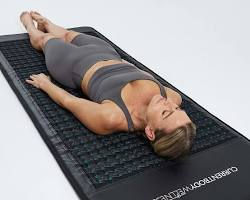
PEMF therapy uses devices that generate pulsed electromagnetic fields. These fields are delivered through mats, pads, or applicators placed near the body. Unlike heating pads or heavy therapeutic massagers, a PEMF device does not rely on physical pressure or warmth to produce an effect; instead, it sends gentle, invisible energy waves entirely through your tissues.
Unlike static magnets, PEMF devices produce changing electromagnetic signals. Static magnets—like those found in basic magnetic bracelets—provide a constant, unmoving field that the body quickly adapts to and ignores. PEMF devices, however, emit dynamic, pulsed waveforms that turn on and off in specific rhythms. These signals are believed to interact with the body’s natural electrical activity at a cellular level.
Every single cell in your body operates like a tiny battery, maintaining a definitive electrical charge across its outer membrane. Research is still ongoing, and scientists are studying how these signals may affect biological processes over time, particularly regarding how cell membranes regulate the entry and exit of essential nutrients and fluids.
📊 The PEMF Frequency Spectrum & Cellular Resonance Map
To understand how different electromagnetic frequencies interact with your physical framework, review this clinical structural breakdown:
PEMF FREQUENCY WAVE & BIOLOGICAL SYSTEM MAP
Frequency Range | Primary Physiological Interaction | Cellular Target Focus
---------------------------------------------------------------------------------
1Hz - 10Hz      | Parasympathetic Rest & Resonance  | Deep brain wave alignment, sleep
---------------------------------------------------------------------------------
10Hz - 30Hz     | Microcirculation & Capillary Flow | Ion channel activation, recovery
- Extremely Low Frequencies (1Hz to 10Hz): This low range closely mimics the Earth’s natural electromagnetic field, working primarily to calm the central nervous system, lower stress hormones, and assist the brain in shifting into deep rest states.
- Medium Low Frequencies (10Hz to 30Hz): This targeted range matches the natural frequency of human bone and muscle tissues, making it the primary choice for improving localized blood flow and assisting structural recovery.
How PEMF Is Commonly Used
PEMF therapy is generally used as a supportive wellness practice. Sessions typically involve lying comfortably on a full-body mat or placing a localized pad directly over a fatigued joint for 15 to 30 minutes. People commonly use it for:
- Relaxation and stress reduction: Helping down-regulate an overactive sympathetic nervous system and soothe mental tension.
- General recovery after exercise: Assisting the body in clearing metabolic waste from hard-working muscles. To see how to align your physical recovery with structural training styles that protect your joints while maximizing muscle strength, read our protocol on time-under-tension training.
- Muscle and joint comfort: Easing localized stiffness and minor discomfort caused by everyday wear and tear.
- Sleep support routines: Calming the mind and body in the evening to prepare for a deep, uninterrupted night of rest.
- Overall wellness habits: Providing a structured, low-stress daily window dedicated entirely to systemic physical care.
It is typically used in short sessions and is often combined with other healthy lifestyle practices, serving as an exceptional recovery layer that complements regular movement and smart nutrition.

What Research Suggests So Far
Scientific research on PEMF therapy is still developing. Some studies have explored its potential effects in specific areas, analyzing how low-frequency electromagnetic fields interact with the human body’s complex internal biology:
🏋️ Pain and Recovery
Some research suggests PEMF may support comfort and recovery in certain conditions, especially related to muscles and joints. When muscle tissues are subjected to intense mechanical workloads or everyday physical stress, they can become temporarily stiff and fatigued. Studies show that targeted electromagnetic pulses may help ease this localized tension, allowing individuals to maintain healthy movement and bounce back faster between physical activities.
🩸 Circulation and Cellular Activity
Studies are exploring whether electromagnetic fields may influence circulation and cell signaling processes. The leading theory suggests that PEMF waves act directly on the microscopic voltage-gated ion channels found in cell membranes. By encouraging a healthy exchange of sodium, potassium, and calcium ions, these fields may help improve microcirculation within the smallest capillaries, ensuring that oxygen and nutrients are delivered cleanly to tired tissues. To see how optimizing your cellular energy systems can fix persistent fatigue and jumpstart your metabolism, check out our guide on Metabolic Health Explained: How Insulin Sensitivity Affects Fat Loss, Energy, and Aging.
🧪 Inflammation Response
Early research is also investigating how PEMF may interact with the body’s natural inflammatory response. While acute inflammation is a necessary part of natural tissue healing, chronic or excessive tissue irritation can cause prolonged discomfort and slow down recovery. Scientists are looking closely at how pulsed fields may help balance specific cellular signaling markers, assisting the body in completing its natural recovery phases smoothly. To understand how keeping this inflammatory balance stable shields your entire body from accelerated aging, explore our blueprint on Inflammation and Aging: How Recovery Affects Long-Term Health and Fat Loss.
While these findings are interesting, more high-quality studies are needed before clear conclusions can be made. Larger, multi-center clinical trials are required to establish exact parameters and standardized usage protocols.

Important Limitations
To avoid confusion and maintain a completely realistic approach to your health, it is important to understand what PEMF therapy is not:
- It is not a cure for diseases: Electromagnetic pulses cannot treat, reverse, or eliminate serious underlying medical conditions or chronic illnesses.
- It does not replace medical treatment: Traditional clinical interventions, prescribed therapies, and doctor-led care plans must always take priority over alternative wellness devices.
- It does not guarantee specific health results: Due to individual genetic factors and lifestyle baselines, two people using the exact same device may experience completely different outcomes.
- It should not be used as a substitute for professional healthcare: Wellness tools should never override the personalized guidance provided by a qualified medical professional.
Claims about extreme or guaranteed effects are not supported by strong scientific evidence. Any brand making promises of instant or miraculous results should be evaluated with a healthy dose of scientific skepticism.
Safety Considerations
PEMF therapy is generally considered low-risk when used appropriately. It does not emit ionizing radiation and does not generate dangerous internal heat, making it highly tolerated by most individuals. However:
- People with pacemakers or implanted medical devices should avoid it: Because PEMF devices generate active electromagnetic fields, they can potentially interfere with the battery life or electronic signaling of pacemakers, defibrillators, or cochlear implants.
- Pregnant individuals should consult a healthcare professional before use: While low-frequency fields are generally benign, medical clearance is an absolute necessity to ensure safety during pregnancy.
- People with serious medical conditions should seek medical advice first: Individuals with active bleeding disorders, severe cardiovascular issues, or epilepsy must get explicit clearance from their primary physician.
- Device quality and usage guidelines may vary: The market features a wide range of devices, from premium medical-grade systems to unverified, low-quality copies. It is vital to use well-constructed equipment from reputable manufacturers.
As with any wellness tool, responsible use is important. Always stick closely to the manufacturer’s operational manual regarding session length and wave intensity.
How to Include PEMF in a Wellness Routine
If someone chooses to use PEMF therapy, it is usually combined with basic healthy habits that form the true bedrock of long-term vitality. To maximize the effectiveness of any cell-supporting tool, you must provide your body with a healthy internal environment. It should be layered alongside:
- Regular physical activity: Engaging in consistent movement and strength training to keep your cardiovascular system highly resilient.
- Good sleep habits: Maintaining a fixed sleep schedule to ensure your brain enters deep, restorative sleep cycles every night. To see how setting a fixed sleep schedule balances your hormones and revives a stagnant metabolic rate, read our deep dive on Sleep and Fat Loss: How Poor Sleep Slows Metabolism and Increases Weight Gain.
- Balanced nutrition: Feeding your cells a steady stream of dense micronutrients and amino acids to support tissue repair.
- Hydration: Maintaining optimal fluid levels to help your blood carry vital nutrients and ions efficiently throughout your body.
- Stress management practices: Actively calming your nervous system to prevent chronic stress hormones from causing cellular wear and tear.
PEMF should be viewed as a supportive wellness tool, not a primary solution. Think of it as an optional optimization layer that can enhance an already excellent, structured lifestyle. To see how to seamlessly organize these daily habits into a complete lifestyle system, view our master guide on The Complete Health Transformation After 40: Fat Loss, Energy, and Longevity System Explained.
Final Thoughts
PEMF therapy is an interesting and evolving area of wellness research. While some early studies suggest potential benefits in specific contexts, the overall evidence is still developing, and more rigorous trials are ongoing.
For most people, the foundation of good health continues to be consistent lifestyle habits such as sleep, movement, nutrition, and recovery. No advanced device or external technology can ever replace the profound systemic benefits of getting enough rest, lifting weights, and eating whole foods.
PEMF may be considered an optional addition to a healthy routine, but it should not replace core wellness practices or medical care. When used with realistic expectations and supported by elite daily habits, it represents a safe and intriguing way to explore the frontier of cellular optimization.
❓ Frequently Asked Questions (FAQ)
1. Is PEMF therapy a proven medical treatment for diseases?
No, PEMF therapy is not a medical treatment or a cure for diseases. In clinical wellness settings, it is utilized as a non-invasive, supportive modality designed to assist natural cellular repair and recovery processes. It should never be used as a replacement for professional healthcare advice, prescription treatments, or doctor-led medical protocols.
2. How does PEMF differ from static magnets or magnetic bracelets?
Static magnets provide a constant, unmoving magnetic field that the body’s cells quickly adapt to and ignore. Conversely, PEMF devices produce dynamic, changing electromagnetic signals that pulse at specific frequencies and intensities. These pulsed waveforms are believed to interact with the body’s natural electrical activity at a cellular level, preventing adaptation.
3. Who should absolutely avoid using a PEMF therapy device?
Anyone with an electrical implanted medical device—such as a pacemaker, defibrillator, or cochlear implant—must completely avoid PEMF therapy, as the electromagnetic fields can potentially interfere with the device’s signaling or battery function. Additionally, pregnant individuals or those with serious underlying conditions must seek explicit medical clearance first.
4. How long and how often should a PEMF therapy session last?
For most standard at-home wellness mats or localized pads, a typical session lasts between 15 to 30 minutes. Frequency can range from once or twice daily depending on the manufacturer’s specific guidelines. Exceeding recommended usage guidelines or using excessive intensity levels will not speed up your progress and can lead to minor physical fatigue.
5. Can PEMF therapy replace foundational lifestyle habits like exercise and nutrition?
Absolutely not. No external technology can ever fix or out-pace the systemic damage caused by a poor lifestyle. PEMF therapy should be treated strictly as an optional optimization layer. The core foundation of long-term vitality, functional mobility, and healthy aging will always rely on everyday habits like regular physical activity, proper sleep, and balanced nutrition.
⚠️ Disclaimer
This article is for educational purposes only and does not constitute medical advice. Always consult a qualified healthcare professional before starting any new health protocol, supplement, or therapy.
📚 References
- World Health Organization (WHO). Electromagnetic Fields and Public Health Standards.
- National Institute on Aging. Cellular Membrane Function and Bioenergetic Adjustments in Aging Models.
- Centers for Disease Control and Prevention (CDC). Non-Invasive Recovery Modalities and General Physical Activity Guidelines.
- Harvard T.H. Chan School of Public Health. Cellular Signaling Pathways, Ion Channels, and Long-Term Tissue Repair.
- National Sleep Foundation. Neurological Relaxation Techniques and Their Influence on Sleep Architecture.
🌐 External Links
- To explore official global frameworks regarding electromagnetic field safety and public health standards, visit the World Health Organization (WHO).
- For clinical research updates regarding cell membrane health and bioenergetics in healthy aging models, consult the National Institute on Aging (NIA).
- For public health data on general physical activity and approved non-invasive recovery guidelines, visit the Centers for Disease Control and Prevention (CDC).
- To browse expert scientific analysis regarding cellular signaling pathways and microcirculation, explore the Harvard T.H. Chan School of Public Health.
- To read modern updates regarding how neurological relaxation techniques impact your sleep hygiene and nighttime recovery, visit the National Sleep Foundation.