
Introduction
Hyperbaric oxygen therapy (HBOT) is a medical and wellness procedure that involves breathing pure oxygen in a pressurized environment. It is used in certain clinical settings to support healing in specific conditions, especially those related to low oxygen supply in tissues. When the body’s tissues are starved of oxygen due to injury, illness, or circulatory damage, cellular repair slows down dramatically. HBOT addresses this issue at a fundamental level by using atmospheric physics to bypass standard circulatory limits and saturate cells with healing oxygen.
In recent years, HBOT has also gained attention in wellness and recovery discussions. Some early studies suggest it may support natural healing processes, but it is important to understand that it is a specialized medical therapy and not a general wellness treatment for everyday use. Because it changes the underlying physics of how gases interact with human blood, it requires careful, expert observation rather than casual, unmonitored application.
This article explains HBOT in simple terms, how it works, and what current research generally shows.
During my 6+ years working within clinical public health systems and primary health centres, including NRHM facilities, I routinely monitored patients dealing with severe diabetic foot ulcers, non-healing bone infections, and compromised tissue health. In public health infrastructure, managing chronic tissue hypoxia (lack of oxygen) is one of the most difficult challenges in patient care. When specialized tools like hyperbaric chambers are used correctly as part of a broader care plan, they offer an incredible demonstration of how altering a patient’s physical environment can spark deep cellular recovery. Understanding the exact science behind hyperbaric pressure allows us to separate authentic clinical success from unverified wellness trends.
What Is Hyperbaric Oxygen Therapy?
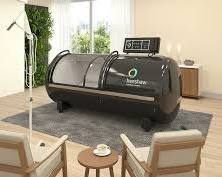
Hyperbaric oxygen therapy involves placing a person inside a special chamber where air pressure is higher than normal. In standard daily life, we live under 1 atmosphere of absolute pressure (1 ATA), breathing an ambient air mix that consists of roughly 21% oxygen and 78% nitrogen. Inside a hyperbaric chamber, the atmospheric pressure is typically increased to 1.5 to 3.0 ATA, creating an environment that alters how gases behave inside the human body.
Inside this chamber, the person breathes 100% pure medical-grade oxygen. By combining an environment of elevated atmospheric pressure with pure oxygen, the therapy dramatically increases the total number of oxygen molecules entering the lungs with every breath.
Under these conditions, the body can absorb significantly more oxygen than it would under normal atmospheric pressure. This process follows basic laws of physics, specifically Henry’s Law, which states that the amount of gas dissolved in a liquid is directly proportional to the pressure exerted on that gas.
This increased oxygen availability is used in medical settings to support healing in certain types of tissue damage or medical conditions. It provides hypoxic tissues with the massive energy reserves they require to kickstart cellular division, build collagen matrices, and fight off stubborn bacterial invaders.
📊 The Hyperbaric Oxygenation & Blood Plasma Saturation Curve
To understand how elevated atmospheric pressure changes how oxygen travels through your circulatory framework, review this operational breakdown:
THE PLASMA OXYGEN PERFUSION DIFFERENCE
[Normal Air @ 1 ATA]    ===> Red Blood Cells 98% Saturated | Plasma Saturation: Minimal
-----------------------------------------------------------------------------------------
[100% Oxygen @ 2-3 ATA] ===> Red Blood Cells 100% Saturated | Plasma Saturation: Max (~10-15x)
                             (Oxygen dissolves directly into fluid, bypassing blocked vessels)
How Hyperbaric Oxygen Therapy Works
Normally, oxygen is carried in the blood by red blood cells. These cells rely on a protein called hemoglobin to latch onto oxygen molecules in the lungs and carry them throughout the body. Because hemoglobin has a fixed holding capacity, your red blood cells are already roughly 95% to 98% saturated under normal daily conditions. This means that simply breathing more oxygen at normal room pressure cannot add meaningful amounts of extra oxygen to your tissues.
In a hyperbaric chamber, increased pressure allows more oxygen to dissolve directly into the blood plasma. Blood plasma is the clear, yellowish liquid component of blood that holds your blood cells in suspension. Under hyperbaric pressure, oxygen is forced directly into this liquid fluid. This allows the plasma to become so heavily oxygen-rich that it can keep tissues alive even if red blood cells are completely blocked from reaching them.
This may help deliver oxygen more effectively to tissues that are injured or have reduced blood flow. By traveling via the liquid plasma, this hyper-oxygenated fluid can pass through microscopic narrowed capillaries, bypass swollen tissues, and reach deep areas that standard red blood cells are physically too large to enter.
Researchers and medical professionals study HBOT for its potential role in:
- Supporting oxygen delivery to damaged tissues: Flooding areas of poor circulation with the vital molecules required to maintain cell life.
- Helping the body’s natural healing processes: Providing a surge of cellular energy that helps specialized cells build fresh connective tissue structures.
- Assisting recovery in specific medical conditions: Helping reverse tissue damage caused by severe infections, radiation, or sudden oxygen loss.
However, the exact effects can vary depending on the condition being treated, the specific pressure levels used, and the overall duration of the therapy protocol.
Common Medical Uses
Hyperbaric oxygen therapy is used in medical settings for specific approved conditions that have been validated by rigorous clinical trials. It is integrated into hospital trauma centers globally for conditions such as:
- Carbon monoxide poisoning: Where carbon monoxide molecules block hemoglobin from carrying oxygen; hyperbaric pressure forces oxygen directly into the plasma to keep organs functioning.
- Decompression sickness (commonly known as “the bends”): Experienced by deep-sea divers when nitrogen bubbles form in the bloodstream; hyperbaric pressure shrinks these bubbles safely down until they can dissolve out of the body.
- Certain non-healing wounds: Particularly diabetic foot ulcers, where compromised microcirculation prevents standard healing.
- Radiation-related tissue damage: Assisting patients who suffer from tissue injury following cancer radiation therapies by encouraging the growth of fresh blood vessels.
- Serious infections affecting soft tissue or bone: Such as gas gangrene or chronic osteomyelitis, where high levels of oxygen act as a direct natural antibiotic against anaerobic bacteria.
- Severe blood loss in some cases: Serving as a temporary life-support bridge when a patient cannot receive an immediate blood transfusion.
HBOT is typically used as part of a broader medical treatment plan, not as a standalone therapy. It works alongside traditional wound care, specialized antibiotics, surgical interventions, and targeted lifestyle support to help rebuild damaged systems.
Areas of Ongoing Research
Beyond its classic, universally approved clinical uses, researchers are actively running trials to see how low-pressure hyperbaric protocols interact with different aspects of chronic disease and cellular healthspan. Some areas of intense interest include:
🩹 Wound Healing
Some studies suggest improved oxygen delivery may support tissue repair in difficult-to-heal wounds. When tissues remain in a chronic inflammatory state, local energy pathways break down. Introducing hyperbaric oxygenation helps trigger the release of specific growth factors that encourage tissue remodeling. To see how optimizing your deep cellular energy systems can fix persistent fatigue and support your body’s native metabolism, read our comprehensive guide on Metabolic Health and Insulin Sensitivity.
🧠 Brain and Neurological Health
Early research is exploring how oxygen-rich environments may affect brain function and recovery after certain injuries. Scientists are studying whether short periods of hyperbaric pressure can help calm neuroinflammation, support microcirculation in brain tissue, and encourage neuroplasticity following mild traumatic brain injuries or stroke events. To explore how other advanced recovery modalities interact with your nervous system to support deep mental clarity, check out our guide on PEMF Therapy and Recovery.
🏃 Exercise Recovery
Some wellness communities use HBOT for recovery, but scientific evidence is still limited and mixed. Proponents believe that flooding tissues with oxygen after intense training can help clear markers of metabolic waste and ease muscle soreness. To see how to combine this focus on recovery with specific resistance training styles that maximize muscle strength while keeping your joints safe from injury, read our protocol on Time-Under-Tension Training.
It is important to note that these are ongoing areas of research and not established medical uses. Much more high-quality, placebo-controlled human data is required before these applications can be recommended as standard clinical guidelines.
Safety and Considerations
Hyperbaric oxygen therapy is generally considered safe when performed under strict medical supervision using certified, hard-shell clinical chambers. However, because it alters the physical pressures inside your body’s air cavities, it remains a controlled medical procedure and is not suitable for everyone.
Possible side effects may include:
- Ear pressure discomfort: Similar to the popping sensation felt when a plane changes altitude, caused by pressure changes across the eardrum.
- Temporary sinus pressure: Minor congestion or discomfort if a person has underlying nasal inflammation or allergies.
- Mild vision changes after repeated sessions: Temporary changes in eye lens shape can occur after dozens of consecutive high-pressure sessions, though this typically reverses naturally within a few weeks.
- Claustrophobia in enclosed chambers: Some individuals may experience anxiety or mild panic when lying within single-person monoplace chambers.
People with certain medical conditions—such as an untreated pneumothorax (collapsed lung) or individuals taking specific chemotherapy medications—are absolutely not eligible for HBOT. It should always be performed under professional supervision to ensure that pressure levels, oxygen percentages, and compression speeds are managed safely.

What Hyperbaric Oxygen Therapy Is NOT
To avoid confusion and maintain a realistic approach to your longevity strategy, it is vital to understand what HBOT is NOT:
- It is not a general anti-aging treatment: Sitting in an oxygen chamber cannot stop chronological aging or replace standard health habits.
- It is not a replacement for regular medical care: It should never be used to delay or bypass traditional medical interventions recommended by your doctor.
- It is not a guaranteed performance or recovery enhancer: Individual responses to oxygen shifts vary wildly, and it will not magically unlock elite athletic capability on its own.
- It is not a home-based wellness routine: Low-cost inflatable “soft chambers” sold online cannot reach the high pressure levels needed to dissolve oxygen into blood plasma, meaning they lack the scientific support associated with clinical hard chambers.
While it has important medical uses, exaggerated wellness claims found across social media are not supported by strong scientific consensus. True, long-term vitality requires a dedicated lifestyle rather than a reliance on specialized technology.
Role in Modern Wellness Discussions
HBOT is sometimes discussed in wellness and recovery communities due to its role in oxygen delivery and tissue support. As public interest shifts toward cellular biohacking, oxygen therapies have become a central topic in discussions regarding longevity and performance.
However, most healthcare professionals emphasize that:
- Evidence is strongest for approved medical uses, such as non-healing wounds and carbon monoxide poisoning.
- Results vary depending on the individual, their baseline health status, and the specific condition being addressed.
- More research is needed for broader applications before they can be rolled out as trusted wellness recommendations.
For general health, foundational lifestyle habits remain far more important than specialized, high-cost therapies. To explore how other non-invasive modalities use specific energy wave ranges to support your tissue health and skin appearance, read our guide on Red Light Therapy and Skin Health.
Lifestyle Still Matters Most
No matter how advanced or high-tech a specialized therapy may seem, it can never replace the systemic benefits of a healthy routine. If you rely on hyperbaric chambers to flood your body with oxygen while living on poor food, high stress, and minimal movement, your cells will remain chronically inflamed and unable to utilize that oxygen effectively.
True physical capability and lifelong health are built entirely on five core lifestyle choices:
- Quality sleep: The ultimate daily metabolic reset that allows your brain and organs to clear away waste tissue.
- Regular physical activity: Keeping your cardiovascular system strong so your body can naturally deliver oxygen to your tissues without needing a pressurized chamber.
- Balanced nutrition: Providing the essential raw materials, vitamins, and minerals that your cells require to rebuild themselves.
- Stress management: Keeping chronic cortisol levels low to protect your tissues from premature aging.
- Adequate recovery: Moving your body out of a continuous fight-or-flight state so it can focus on deep tissue repair.
These factors have the absolute strongest and most consistent scientific evidence for long-term health and well-being. To see how to combine these daily choices into a single, cohesive lifestyle blueprint, explore our master guide on 10 Evidence-Based Habits That Support Healthy Aging.
Final Thoughts
Hyperbaric oxygen therapy is a medically supervised treatment that increases oxygen availability in the body under controlled conditions. It has well-established uses in specific medical situations and is actively being studied for other potential applications across modern longevity science.
While it is an interesting area of research, it should be understood as a clinical therapy rather than a general wellness solution. Approaching it with realistic expectations ensures you protect both your health and your resources.
For most people, long-term health is best supported through consistent habits like good sleep, balanced nutrition, regular movement, and stress management, ensuring your body remains a strong, energized, and capable system for years to come.
❓ Frequently Asked Questions (FAQ)
1. Is hyperbaric oxygen therapy a proven anti-aging treatment?
No, HBOT is not a proven or approved anti-aging treatment. While some early laboratory research studies how high-oxygen environments affect markers of cellular senescence and telomere length, there is currently no scientific consensus that hyperbaric sessions can stop or reverse human chronological aging. True longevity relies on long-term lifestyle habits.
2. Can I get the same benefits from an inflatable “soft” hyperbaric chamber at home?
No, inflatable soft chambers cannot replicate the clinical benefits of a hard-shell medical chamber. Soft chambers typically use standard air concentrators that only reach about 1.3 ATA of pressure, which is physically insufficient to dissolve oxygen directly into your blood plasma. True clinical HBOT requires rigid, hard-shell chambers capable of reaching 1.5 to 3.0 ATA while delivering 100% pure medical oxygen.
3. What does it feel like inside a hyperbaric oxygen chamber?
The most common sensation inside a hyperbaric chamber occurs during the compression phase, where the changing air pressure creates a distinct “filling” feeling in your ears, very similar to descending in an airplane or diving to the bottom of a deep swimming pool. This is easily managed by yawning, swallowing, or performing standard ear-clearing techniques.
4. Who should absolutely avoid hyperbaric oxygen therapy?
Individuals with an untreated pneumothorax (collapsed lung) must absolutely avoid HBOT, as changes in atmospheric pressure can cause severe, life-threatening chest complications. Additionally, individuals with certain active lung diseases, severe ear congestion, or those taking specific specialized chemotherapy medications must be excluded from therapy.
5. Can hyperbaric oxygen therapy replace regular exercise?
Absolutely not. Exercise provides unique, systemic health benefits—such as mechanical strain that strengthens bones, muscle tissue synthesis, and improved insulin sensitivity—that lying still in an oxygen chamber cannot replicate. For a high-quality analysis of how targeted exercise choices protect your metabolism and muscle structure as you mature, read our master guide on Why Fat Loss Gets Harder After 40.
⚠️ Disclaimer
This article is for educational and informational purposes only and does not provide medical advice. Always consult a qualified healthcare professional before considering any medical treatment, therapeutic approach, or specialized therapy.
📚 References
- World Health Organization (WHO). Clinical Applications of Hyperbaric Medicine and Oxygen Safety Standards. Official WHO Portal
- National Institute on Aging. Hypoxia, Cellular Aging, and Tissue Perfusion Dynamics. Official NIA Portal
- Centers for Disease Control and Prevention (CDC). Hyperbaric Oxygen Therapy for Carbon Monoxide Poisoning Guidelines. Official CDC Portal
- Harvard T.H. Chan School of Public Health. Circulatory Health, Hyperbaric Oxygen Research, and Longevity Metrics. Official Harvard Portal
- National Sleep Foundation. Restorative Medicine, Tissue Recovery, and Circadian Optimization. Official National Sleep Foundation Portal