

Introduction
Growth hormone, also known as HGH (human growth hormone), is a natural hormone produced by the pituitary gland in the brain. It plays an important role in growth during childhood and continues to support normal body functions throughout life. As an essential master regulator of human cellular biology, this vital protein hormone acts as a continuous internal repair signal, ensuring that tissues can regenerate and adapt to daily metabolic demands.
In recent years, growth hormone has become a popular topic in fitness and wellness discussions. However, it is also a medical hormone with specific functions in the body, and its use outside of medical supervision can carry risks. Because hormones operate within highly sensitive, interconnected biological loops, attempting to force changes in these systems without a clear understanding of the science can cause widespread metabolic disruptions.
This article explains growth hormone in a simple, balanced, and educational way.
During my 6+ years working within clinical public health systems and primary health centres, including NRHM facilities, managing hormonal and metabolic health was a key part of long-term disease prevention plans. In a public health setting, we frequently observed how endocrine imbalances—whether stemming from chronic sleep deprivation, systemic inflammation, or natural aging declines—directly accelerated physical frailty and diminished overall quality of life. What my clinical background taught me is that the endocrine system cannot be forced or short-circuited through synthetic shortcuts. True hormonal vitality is an integrated, full-body achievement. By understanding how the pituitary gland communicates with your tissues, we can look past the sensationalized claims of the anti-aging market and focus on safe, evidence-based methods to support our natural biology.
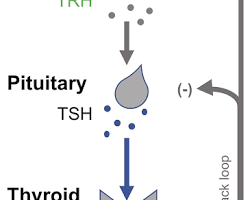
What Is Growth Hormone?
Growth hormone is a protein-based hormone produced by the pituitary gland, a small, pea-sized gland located securely at the base of the brain. The pituitary gland acts as the “master control center” of the endocrine system, receiving direct neurological instructions from the hypothalamus before manufacturing and discharging HGH into global circulation.
Its main functions include:
- Supporting growth in children and teenagers: Driving the elongation of long bones and the expansion of lean muscle tissues during development.
- Helping regulate body composition: Managing the delicate balance between stored adipose fat tissue and functional lean muscle mass.
- Supporting metabolism: Influencing how your cells process proteins, carbohydrates, and fatty acids for daily fuel.
- Assisting with tissue maintenance and repair: Triggering cellular turnover to keep vital internal organs, skin matrices, and connective cartilage strong.
After growth is complete, the hormone still plays a role in maintaining normal bodily functions. It remains highly active throughout adulthood, shifting its primary job from structural growth to daily structural maintenance and metabolic protection.
📊 The Somatotropic Axis & HGH Signaling Loop
To understand how human growth hormone moves from a brain signal into a functional tissue-building response across your organs, review this physiological pathway:
THE HGH / IGF-1 ENDOCRINE FEEDBACK LOOP
[Hypothalamus Releases GHRH]
             │
             ▼
[Pituitary Gland Secretes Pulsatile HGH]
             │
             ▼
[HGH Enters Bloodstream & Travels to the Liver]
             │
             ▼
[Liver Manufactures & Releases IGF-1 (Growth Factor)]
             │
             ▼
[Systemic Action: Protein Synthesis, Tissue Repair & Lipolysis]
How Growth Hormone Works in the Body
Growth hormone works by sending signals through the bloodstream to different tissues in the body. Once released by the pituitary gland, HGH molecules travel rapidly through the circulatory system, looking for specific growth hormone receptors located on the surfaces of fat cells, muscle fibers, and organ tissues.
One of its key roles is stimulating the liver to produce another important substance called IGF-1 (insulin-like growth factor 1). While HGH handles several metabolic jobs directly—such as breaking down fats for immediate fuel—it hands over the majority of its structural, cellular replication tasks to IGF-1. This closely linked system is known as the somatotropic axis, and it serves as the primary pathway through which your body coordinates cell growth and long-term metabolic health.
In simple terms, growth hormone acts as a “messenger” that helps coordinate certain biological activities in the body. Without this continuous chemical communication, your cells would lack the direct instructions required to build new proteins and repair daily structural wear.

Natural Production of Growth Hormone
The body does not release growth hormone at a constant, steady level throughout the day. Instead, it is released in distinct, intense pulses that crest and fall according to your daily rhythms.
Natural release is influenced by several key lifestyle factors:
- Sleep (especially deep sleep): The single largest natural surge of HGH occurs roughly an hour after falling asleep, directly matching the onset of slow-wave delta sleep. To understand how your overnight brain waves manage this essential hormonal release, read our definitive guide on Deep Sleep and REM Sleep Cycles.
- Physical activity: Intense resistance training and short bursts of anaerobic exercise act as a powerful physical trigger for pulsatile HGH release.
- Nutrition: Periods of low blood sugar or short-term fasting encourage the pituitary to release more hormone, whereas heavy sugar intake causes sudden drops in production.
- Stress levels: High levels of psychological stress can disrupt the normal rhythm of hormone release, while controlled physical stress from exercise supports it.
- Age: Your overall biological age dictates your baseline production capacity.
Growth hormone levels are typically higher during childhood and adolescence and gradually decrease with age. Once you cross into your late twenties, your baseline HGH output begins a slow, progressive decline of roughly 14% per decade, a natural shift that highlights why protecting your daily health habits becomes increasingly important as you mature.
What Happens When Levels Are Low?
Low growth hormone levels may occur due to medical conditions affecting the pituitary gland, such as structural injuries, localized tumors, or genetic developmental issues.
In children, low levels may affect normal growth and development, which can result in short stature or delayed physical maturation if left unaddressed by clinical specialists.
In adults, low levels—a condition clinically known as Adult Growth Hormone Deficiency (AGHD)—may be associated with several systemic changes:
- Reduced energy: Experiencing persistent physical exhaustion and a lack of daily vitality.
- Changes in body composition: A progressive increase in stubborn body fat, particularly around the abdomen.
- Lower muscle mass: A noticeable loss of physical strength and a reduced capacity to hold functional muscle tissue.
- Fatigue: Suffering from persistent mental brain fog and a decreased capacity to recover from standard workloads. To see how optimizing your deep cellular energy systems can resolve ongoing fatigue and support your body’s native insulin function, explore our master guide on Metabolic Health and Insulin Sensitivity.
Diagnosis and treatment of growth hormone deficiency are done by qualified healthcare professionals through specific medical tests. These evaluations typically involve specialized stimulation tests, where clinicians track how the pituitary gland responds to specific inputs over a multi-hour window.

What Happens When Levels Are High?
High levels of growth hormone are usually caused by rare medical conditions, often related to benign pituitary gland tumors that continuously pump out excess hormone without responding to the body’s natural shutdown signals.
Excess growth hormone can lead to changes in bone and tissue growth and may be associated with health complications. If these elevated levels occur during childhood before the bone growth plates fuse, it can lead to a rare condition called gigantism. If it occurs during adulthood, it can result in acromegaly, a condition marked by the gradual enlargement of the bones in the hands, feet, and face, alongside severe cardiovascular risks and joint damage.
Because of this, abnormal levels require medical evaluation and supervision. Having too much growth hormone is a serious clinical concern that requires immediate medical care.
Medical Use of Growth Hormone
Synthetic growth hormone, manufactured using precise recombinant DNA technology (somatropin), is available as a prescription medication in some medical conditions. It is heavily restricted and is only used to replace natural hormone production when a true, verified medical deficiency exists.
Approved conditions for prescription use include:
- Growth hormone deficiency in children or adults: Correcting a clear lack of production caused by genetic or structural pituitary issues.
- Certain growth-related medical disorders: Such as Turner syndrome or chronic kidney disease, which disrupt normal development.
- Specific cases of muscle loss or wasting conditions: Such as severe muscle wasting associated with advanced HIV/AIDS, or short bowel syndrome.
It is only used under strict medical supervision. Recombinant HGH is a highly potent medical drug that requires continuous monitoring, regular blood work, and precise dosing protocols managed by a qualified endocrinologist.
Growth Hormone and Aging Claims
Growth hormone is sometimes discussed in relation to aging, fitness, and body composition across various online wellness spaces. Marketing platforms frequently frame HGH as an elite “fountain of youth” capable of effortlessly erasing wrinkles, melting away body fat, and building lean muscle without effort.
However, scientific research does not support the idea that growth hormone is a general anti-aging treatment for healthy individuals. While synthetic injections can change body composition metrics on a lab chart, clinical trials show that using HGH for lifestyle reasons does not improve actual physical performance, nor does it reverse the underlying processes of chronological aging in healthy adults. To see how other non-invasive recovery tools use specific wave ranges to support your tissue health and skin resilience naturally, read our guide on Red Light Therapy and Skin Health.
Medical experts emphasize that unnecessary use of growth hormone can lead to serious side effects and should only be used when medically required. Choosing to inject synthetic hormones when your body already produces healthy levels can shut down your pituitary gland’s natural production, making you dependent on external sources.
Safety Considerations
Growth hormone therapy should only be used under medical guidance. Because HGH is a powerful growth factor that stimulates cell division across multiple tissue types, its unmonitored use carries significant safety risks.
Possible risks of inappropriate use may include:
- Fluid retention: Causing painful swelling in the arms and legs (peripheral edema).
- Joint or muscle discomfort: Triggering severe nerve compression issues, such as carpal tunnel syndrome.
- Changes in blood sugar levels: HGH directly counters the actions of insulin, which can lead to elevated blood glucose levels and increase the risk of developing type 2 diabetes.
- Other metabolic effects: Including abnormal organ enlargement and an unfavorable shift in cardiovascular risk factors.
Because of these risks, it is not recommended to use growth hormone without medical supervision. Attempting to manipulate your primary endocrine pathways through unverified online sources or illegal wellness channels exposes your body to severe, long-term health risks. To learn how modern medicine uses targeted, highly specific amino acid signaling chains to encourage safer, more controlled cellular communication pathways, explore our educational guide on Peptide Therapy and How It Works.
Healthy Ways to Support Hormonal Balance
Instead of focusing on dangerous hormone manipulation or relying on unverified synthetic solutions, general lifestyle habits can help support overall health. Your endocrine system is designed to respond beautifully to the physical cues you provide through your daily routine.
You can support your body’s natural hormone balance over time by prioritizing five core lifestyle choices:
- Regular physical activity: Engaging in consistent resistance training and high-intensity exercise can naturally stimulate the pituitary gland’s pulsatile HGH release. To learn how to organize your exercise routines using controlled tempos that maximize muscle stimulation while keeping your joints completely safe from injury, read our protocol on Time-Under-Tension Training.
- Quality sleep: Ensuring you achieve deep, uninterrupted slow-wave sleep cycles every night to maximize your largest natural daily surge of growth hormone.
- Balanced nutrition: Consuming high-quality, whole foods that supply the essential amino acids your brain needs to manufacture signaling hormones, while avoiding continuous late-night sugar spikes.
- Stress management: Keeping chronic cortisol levels under control to prevent stress hormones from disrupting your delicate pituitary signaling pathways.
- Maintaining a healthy body weight: Helping optimize your body’s natural hormonal sensitivity, as carrying excess body fat can blunt your natural growth hormone output. If you are experiencing a stubborn plateau in your physical shape despite making healthy changes, you can troubleshoot your daily routine using our blueprint on Why Fat Loss Gets Harder After 40.
These habits support the body’s natural hormone balance over time, keeping your physical frame energized, functional, and resilient without exposing your organs to the side effects of synthetic interventions.
Why Environmental and Systemic Support Matters
Your endocrine system thrives when it operates within a clean, optimized physical framework. When you provide your tissues with the proper environmental inputs, your body can naturally coordinate its internal repair mechanisms more effectively.
Advanced, non-invasive therapies can complement a healthy lifestyle by helping support a restorative environment for your cells. For example, ensuring your cells are fully supported allows your endocrine pathways to function smoothly. To discover how changing atmospheric pressures can help saturate compromised tissues with the high oxygen levels required to execute complex cellular repair tasks, explore our comprehensive guide on Hyperbaric Oxygen Therapy and Healing.
Final Thoughts
Growth hormone is an essential master hormone that plays an important role in growth, metabolism, and overall body function. While it is medically important in treating specific, verified deficiencies, it should be understood carefully and used only under professional medical supervision when a true clinical need is present.
For most people, long-term health is best supported through consistent lifestyle habits rather than hormone-based interventions. Prioritizing your evening rest, enjoying intense movement, and fueling your body with proper nutrition provides your pituitary gland with everything it needs to keep your system balanced and resilient.
Good health is built through routine, environment, and lifestyle choices over time. By committing to an elite daily routine, you unlock your body’s true potential for long-term physical strength and mental clarity. To see how to bring these foundational health habits together into a single, cohesive daily system, view our capstone master plan on 10 Evidence-Based Habits That Support Healthy Aging.
❓ Frequently Asked Questions (FAQ)
1. Can over-the-counter HGH supplements or pills increase my growth hormone levels?
No, over-the-counter dietary supplements marketed as “HGH releasers” or “growth hormone boosters” do not contain actual human growth hormone. Real growth hormone is a fragile protein molecule that must be injected; if taken orally in a pill or spray form, your digestive system will simply break it down into basic amino acids before it ever reaches your bloodstream.
2. What is the link between deep sleep and natural HGH production?
Deep sleep serves as the primary daily trigger for natural growth hormone release. Roughly an hour after you fall asleep, as your brain transitions into slow-wave delta sleep (Stage 3 NREM), your pituitary gland releases its largest pulsatile surge of HGH for the entire 24-hour cycle. If your sleep is fragmented or cut short, you actively rob your body of this critical recovery window.
3. Is using synthetic HGH safe for bodybuilding or athletic performance?
No, using synthetic HGH for bodybuilding or athletic enhancement is highly unsafe and carrying serious health risks. Injecting HGH when your body already produces normal levels can cause severe side effects, including insulin resistance, type 2 diabetes, painful fluid retention, and abnormal joint or organ enlargement. It is also strictly banned by major sports organizations worldwide.
4. How do doctors accurately test for a growth hormone deficiency?
Because HGH is released in unpredictable pulses throughout the day, a single standard blood test cannot accurately diagnose a deficiency. Instead, endocrinologists use specialized growth hormone stimulation tests. During these clinical procedures, a patient is given a specific compound under medical supervision, and their blood is drawn multiple times over several hours to track the pituitary gland’s maximum response capacity.
5. Can a healthy lifestyle help maintain my growth hormone levels as I age?
Yes, a highly disciplined lifestyle is the most effective way to protect your body’s natural hormone production as you grow older. Engaging in regular intense resistance training, ensuring deep sleep, maintaining a lean body composition, and minimizing processed sugar intake all provide positive signals that encourage your pituitary gland to maintain healthy, robust HGH pulses.
⚠️ Disclaimer
This article is for educational and informational purposes only and does not provide medical advice. Always consult a qualified healthcare professional, such as a certified endocrinologist, before making any decisions related to hormones, medical treatments, or complex therapeutic interventions.
📚 References
- World Health Organization (WHO). Endocrine Health Standards, Pituitary Regulation, and Public Health Frameworks. Official WHO Portal
- National Institute on Aging. The Somatotropic Axis, Cellular Senescence, and Endocrine Shifts in Aging Populations. Official NIA Portal
- Centers for Disease Control and Prevention (CDC). Hormonal Health Guidelines and Endocrine Disruptor Data Trends. Official CDC Portal
- Harvard T.H. Chan School of Public Health. Circadian Biology, Endocrine Dynamics, and Metabolic Disease Risk Management. Official Harvard Portal
- National Sleep Foundation. Slow-Wave Sleep Dynamics, Restorative Endocrinology, and Delta-Wave Pulsatile Release Profiles. Official National Sleep Foundation Portal