
Introduction
Red light therapy is a wellness approach that uses low-level red and near-infrared light to support general health and recovery. It has gained widespread attention in recent years for its possible role in skin health, muscle recovery, and overall well-being. As people look for non-invasive modalities to support their physical vitality, photobiomodulation—the clinical term for using light to stimulate cellular changes—has moved from specialized research labs into mainstream health discussions.
While research is still developing, some studies suggest that specific wavelengths of light may interact with cells in ways that support natural repair processes. However, red light therapy is not a medical treatment, and results may vary from person to person. It should be viewed as a complementary tool that works best when placed on top of a solid lifestyle foundation.
This guide explains what red light therapy is, how it is commonly used, and what current research suggests in a simple, easy-to-understand way.
During my 6+ years working within clinical public health systems and primary health centres, including NRHM facilities, I evaluated a massive array of recovery modalities designed to manage chronic joint fatigue and cellular decline. The clinical reality is that no single device can out-pace a poor lifestyle. However, when an emerging tool shows a clear, non-invasive mechanism for supporting tissue repair at the cellular level, it deserves a closer look. By understanding the underlying physics and biology of light exposure, you can make intelligent, data-driven decisions about whether to add this modality to your daily wellness ecosystem.
What Is Red Light Therapy?
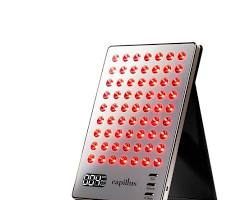
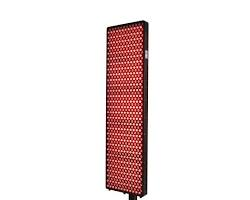
Red light therapy involves exposure to low-level red or near-infrared light, typically through LED devices or light panels. Unlike broad-spectrum sunlight or tanning beds, these specialized clinical devices emit highly targeted, concentrated light waves without generating heat or projecting damaging rays.
Unlike ultraviolet (UV) light, red light does not damage the skin. Instead, it is believed to penetrate deeper layers of the skin, where it may interact with cellular structures. Ultraviolet light causes DNA damage and accelerates signs of aging, but red light wavelengths pass cleanly through the epidermis to reach the deep dermal layers and underlying muscle tissues.
Some researchers suggest that this type of light may influence how cells produce energy, although more studies are needed to fully understand the mechanisms. The primary theory centers on the cell’s power plants, the mitochondria. Certain protein complexes within these structures are highly responsive to specific wavelengths of light, meaning that strategic exposure may help optimize how your cells process fuel and oxygen.
📊 The Photobiomodulation Wavelength & Tissue Penetration Spectrum
To understand how different light wavelengths interact with your physical framework, review this clinical structural breakdown:
LIGHT SPECTRUM WAVELENGTH & TISSUE DEPTH MAP
Wavelength   | Tissue Target       | Primary Biological Focus
-------------------------------------------------------------------------
630nm - 660nm| Superficial Dermis  | Collagen synthesis, skin texture reset
-------------------------------------------------------------------------
810nm - 850nm| Deep Muscle Tissue  | Mitochondrial ATP support, recovery optimization
- 630nm to 660nm (Visible Red Light): This range is highly absorbed by the superficial layers of your skin tissue, making it the primary spectrum used for skin texture, tone, and surface-level cellular repair.
- 810nm to 850nm (Near-Infrared Light): This invisible spectrum bypasses surface tissue entirely, penetrating deep into your skeletal muscles, tendons, ligaments, and bone matrices to support deep physical recovery.
How It Is Commonly Used
Red light therapy is typically used in short sessions using specialized devices. Sessions generally last anywhere from 10 to 20 minutes, during which an individual sits or stands within a specific distance from the light source. People use it in different wellness routines, often focusing on:
- Skin appearance and texture: Supporting surface-level cellular turnover and reducing signs of environmental wear.
- Muscle recovery after exercise: Managing localized fatigue and accelerating tissue repair after demanding physical training. To see how to align your physical recovery with structural training styles that protect your joints while maximizing muscle strength, read our protocol on time-under-tension training.
- General relaxation routines: Calming the central nervous system and supporting a smooth transition into a restful state.
- Wellness and self-care practices: Adding a dedicated, low-stress daily habit that prioritizes consistent systemic care.
Devices may include handheld tools, face masks, or larger light panels used at home or in wellness centers. The choice of device typically depends on whether a person wants to target a small, localized area (like the face) or provide broader exposure to major muscle groups across the entire body.
Possible Areas of Interest in Research
Current research is exploring how red light therapy may relate to different aspects of health. Scientists are looking closely at how these non-invasive light waves interact with various organ systems. Some areas of interest include:
🧪 Skin Health
Some studies suggest that red light exposure may support skin appearance by influencing collagen-related processes. Collagen is the vital structural protein that keeps skin firm, elastic, and youthful. As the body matures, natural collagen production slows down. Research indicates that visible red light wavelengths may stimulate fibroblast cells, which are directly responsible for producing collagen fibers, thereby improving skin texture and tone.
🏋️ Muscle Recovery
Athletes and active individuals sometimes use light therapy as part of recovery routines, although results vary. The intense mechanical stress of exercise can leave muscle tissue temporarily fatigued and prone to short-term irritation. By exposing these major muscle groups to near-infrared light, individuals aim to support natural cellular repair pathways, reduce next-day stiffness, and bounce back faster for their next training session. To understand how managing this systemic recovery balance shields your entire body from accelerated aging, explore our blueprint on Inflammation and Aging: How Recovery Affects Long-Term Health and Fat Loss.
🧬 General Cellular Activity
Researchers are investigating how light wavelengths may interact with cellular energy processes, but this area is still being studied. The leading theory suggests that near-infrared light acts directly on an enzyme within the mitochondria called cytochrome c oxidase. By interacting with this enzyme, light exposure may help clear out restrictive nitric oxide molecules, allowing the cell to process oxygen more efficiently and generate a clean supply of cellular energy. To see how optimizing your cellular energy systems can fix persistent fatigue and jumpstart your metabolism, check out our guide on Metabolic Health Explained: How Insulin Sensitivity Affects Fat Loss, Energy, and Aging.
It is important to note that research is ongoing, and results are not guaranteed. Large-scale, long-term human clinical trials are still being conducted to establish definitive parameters for treatment protocols.
What Red Light Therapy Is NOT
To avoid confusion and maintain a realistic approach to your health, it is important to understand what red light therapy does not do:
- It is not a cure for diseases: Light exposure cannot treat, reverse, or eliminate serious underlying medical conditions or chronic illnesses.
- It is not a replacement for medical treatment: Traditional clinical interventions, prescribed therapies, and doctor-led care plans must always take priority over alternative wellness devices.
- It does not provide guaranteed biological or anti-aging results: Individual genetic factors, skin types, and lifestyle baselines mean that two people using the exact same device may experience completely different outcomes.
- It should not be used as a substitute for professional healthcare advice: Wellness tools should never override the personalized guidance provided by a qualified medical professional.
Safety Considerations
Red light therapy is generally considered low-risk when used properly. It does not cause thermal damage or expose the body to ionizing radiation, making it highly tolerated by most individuals. However:
- Overuse of devices may cause skin irritation in some individuals: Exceeding recommended session times or sitting too close to high-intensity light panels can result in mild redness, tightness, or temporary skin sensitivity.
- Eye protection may be recommended depending on device intensity: High-output LED panels can emit incredibly bright light that can strain or irritate your eyes; wearing specific blackout goggles or specialized protective eyewear during sessions is a smart safety practice.
- People with medical conditions should consult a healthcare professional before use: Individuals with active skin conditions, photosensitivity disorders, or those taking medications that increase light sensitivity must get medical clearance first.
Always follow manufacturer guidelines when using any device. Every panel has distinct energy output levels, requiring specific usage distances and time constraints to ensure absolute safety.
How to Include It in a Wellness Routine
If someone chooses to use red light therapy, it is often combined with basic healthy habits that form the true bedrock of vitality. To maximize the effectiveness of any cell-supporting tool, you must provide your body with a healthy internal environment. It should be layered alongside:
- Regular sleep schedule: Ensuring your brain enters deep, restorative sleep cycles every night to perform essential maintenance. To see how setting a fixed sleep schedule balances your hormones and revives a stagnant metabolic rate, read our deep dive on Sleep and Fat Loss: How Poor Sleep Slows Metabolism and Increases Weight Gain.
- Balanced nutrition: Feeding your cells a steady stream of dense micronutrients and amino acids to support tissue repair.
- Physical activity: Engaging in consistent movement and strength training to keep your cardiovascular system highly resilient.
- Hydration: Maintaining optimal fluid levels to help your blood carry vital nutrients efficiently throughout your body.
- Stress management: Actively calming your nervous system to prevent chronic stress hormones from causing cellular wear and tear.
Red light therapy should be seen as a supportive wellness tool, not a primary solution. Think of it as an optional optimization layer that can enhance an already excellent, structured lifestyle. To see how to seamlessly organize these daily habits into a complete lifestyle system, view our master guide on The Complete Health Transformation After 40: Fat Loss, Energy, and Longevity System Explained.
❓ Frequently Asked Questions (FAQ)
1. Is red light therapy a proven medical treatment for diseases?
No, red light therapy is not a medical treatment or a cure for any disease. In clinical wellness settings, it is treated as a non-invasive, supportive modality designed to assist natural cellular repair and recovery processes. It should never be used as a replacement for professional healthcare advice, prescription treatments, or doctor-led medical protocols.
2. What is the difference between red light and ultraviolet (UV) light?
The primary difference lies in the wavelength and its biological impact. Ultraviolet (UV) light has short wavelengths that cause cellular DNA damage, sunburns, and premature skin aging. Conversely, red and near-infrared light use low-level, concentrated wavelengths (typically between 630nm to 850nm) that do not generate heat or emit damaging radiation, passing cleanly into tissue layers to support energy production.
3. How long and how often should a red light therapy session last?
For most standard at-home or wellness center devices, sessions typically last between 10 to 20 minutes per targeted area. Frequency can range from 3 to 5 times per week depending on the manufacturer’s specific guidelines. Overusing a device or sitting too close to high-intensity LED panels will not accelerate your results and may cause minor skin irritation or temporary surface sensitivity.
4. Do I need to wear eye protection during red light therapy?
Yes, wearing specific blackout goggles or specialized protective eyewear is highly recommended, especially when utilizing high-intensity, full-body light panels or facial masks. While the light wavelengths themselves are low-risk, the sheer brightness emitted by modern medical-grade LED configurations can cause eye strain, glare fatigue, or temporary irritation.
5. Can red light therapy replace foundational lifestyle habits like exercise and sleep?
Absolutely not. No advanced wellness device can ever out-pace or fix the systemic damage caused by a poor lifestyle. Red light therapy should be viewed strictly as an optional optimization layer. The real foundation of healthy aging, fat loss, and metabolic efficiency will always come from consistent core habits, such as regular resistance training, nutrient-dense nutrition, and maintaining a fixed sleep schedule.
Final Thoughts
Red light therapy is an interesting area of ongoing research in the wellness space. While early studies suggest potential benefits in certain areas, more high-quality research is needed to fully understand its long-term effectiveness and map out precise clinical guidelines.
For most people, the foundation of good health still comes from consistent lifestyle habits like sleep, nutrition, exercise, and recovery. No high-tech device can ever replace the profound systemic benefits of getting enough rest, lifting weights, and eating whole foods.
Red light therapy may be considered an optional addition to a healthy routine, rather than a replacement for core wellness practices. When used with realistic expectations and supported by elite daily habits, it represents a safe and intriguing way to explore the frontier of cellular optimization.
⚠️ Disclaimer
This article is for educational purposes only and does not provide medical advice. Always consult a qualified healthcare professional before starting any new wellness or treatment approach, or if you have specific questions regarding an underlying medical concern.
📚 References
- World Health Organization (WHO). Innovation and Emerging Technologies in Healthspan Support.
- National Institute on Aging. Photobiomodulation and Cellular Repair Mechanisms in Aging Models.
- Centers for Disease Control and Prevention (CDC). Physical Activity and Recovery Guidelines for Lifelong Wellness.
- Harvard T.H. Chan School of Public Health. Light Exposure, Circadian Biology, and Systemic Health Outcomes.
- National Sleep Foundation. Environmental Light Influences on Human Sleep Architecture and Recovery.
🌐 External Links
- To explore official global frameworks regarding emerging health technologies and wellness guidelines, visit the World Health Organization (WHO).
- For clinical research updates regarding cellular repair mechanisms and healthy aging models, consult the National Institute on Aging (NIA).
- For public health data regarding recovery habits and long-term exercise guidelines, visit the Centers for Disease Control and Prevention (CDC).
- To browse expert scientific analysis regarding light exposure and its relationship to circadian biology, explore the Harvard T.H. Chan School of Public Health.
- To read modern updates regarding how light wavelengths impact your sleep hygiene and nighttime recovery, visit the National Sleep Foundation.
Optimize Your Biological Age
Don’t leave your longevity to chance. Get the full clinical protocols, advanced supplement stacks, and 90-day tracking sheets in The 90-Day Longevity Blueprint.