
Introduction
Hormones are natural chemical messengers in the body that help regulate many important functions such as energy, mood, metabolism, sleep, and growth. Far from working in isolation, these powerful biochemical compounds circulate continuously throughout your vascular highways, delivering precise operational instructions to distant tissues to ensure your entire physical framework adapts to the demands of your environment. Building a rock-solid lifestyle program using our Longevity Protocol for Healthy Aging requires a deep respect for these chemical signaling networks.
When people talk about “hormone balance,” they are usually referring to how well these hormones work together to keep the body functioning normally. In reality, hormones naturally fluctuate throughout the day and across different life stages. Rather than a static line, your endocrine system operates like a finely tuned orchestra, adjusting its volume and tempo based on your internal state.
There is no single “perfect balance,” but healthy lifestyle habits can support the body’s natural hormone function over time. When your habits align with your biology, your endocrine organs can communicate seamlessly without overproducing or underproducing these critical signals.
This article explains hormone balance in a simple, educational way.
During my 6+ years working within clinical public health systems and primary health centres, including NRHM facilities, systemic endocrine mismanagement was something we evaluated regularly on the ground. In primary health settings, we frequently observed that when a patient’s daily routine fell into chronic disarray—whether due to fragmented sleep patterns, constant psychological strain, or poor nutritional quality—their broader hormonal health suffered a cascade failure. What my clinical public health background taught me is that you cannot treat the endocrine system as a collection of isolated glands. A disruption in one hormone inevitably causes ripple effects across the others. Achieving genuine, long-term vitality requires creating an underlying lifestyle structure that respects the natural rhythmic fluctuations of your entire endocrine network, a principle we detail extensively in our master guide on 10 Evidence-Based Habits That Support Healthy Aging.
What Are Hormones?
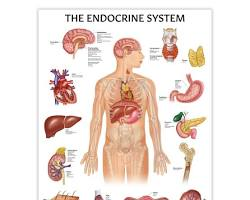
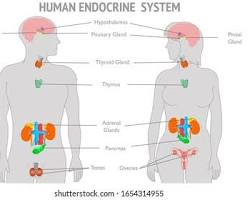
Hormones are highly specialized chemical signaling molecules produced and secreted by specialized glands that comprise the endocrine system. According to the Endocrine Society’s Patient Resources, these glands include the thyroid, pancreas, adrenal glands, pituitary gland, and others, each serving as a dedicated manufacturing plant for specific corporate chemical directives.
Once released by these glands, hormones travel directly through the bloodstream and send vital signals to specific target organs and tissues. By binding to highly sensitive cellular receptors, they help regulate:
- Energy levels: Coordinating how fast your cells generate ATP to fuel physical performance.
- Sleep cycles: Managing the precise transitions between alertness and evening drowsiness.
- Growth and development: Directing cellular repair, tissue building, and structural maintenance.
- Mood and emotions: Influencing neurotransmitter pathways within the brain to modulate psychological well-being.
- Metabolism: Determining whether nutrients are immediately burned for fuel or set aside for storage.
- Reproductive functions: Governing fertility, tissue strength, and secondary sexual characteristics.
Hormones act like vital communication signals that help different parts of the body work together, ensuring that your brain, organs, and muscles remain perfectly aligned in their daily operations.
📊 The Endocrine Signal Transduction Pathway
To visualize how a localized endocrine gland manufactures a hormone and sends it through the bloodstream to alter a target cell’s operational behavior, review this flowchart:
THE ENDOCRINE COMMUNICATION CASCADE
[Endocrine Gland Receives Internal/External Cue]
                       │
                       ▼
[Gland Secretes Hormone Directly into Bloodstream]
                       │
                       ▼
[Hormone Travels via Vascular System to Target Tissue]
                       │
                       ▼
[Hormone Binds Specifically to Cell Surface Receptors]
                       │
                       ▼
[Triggers Internal Cellular Response ──► Alters Energy, Mood, or Metabolism]
What Does “Hormone Balance” Mean?
Hormone balance refers to the body producing and regulating hormones in a way that supports normal, healthy function. It describes a state where your endocrine organs secrete the precise amount of a chemical messenger required to execute a task, without leaving your cells overwhelmed by an excess or starved by a deficiency. Researchers document this complex phenomenon as homeostatic feedback, a concept explored deeply in the National Center for Biotechnology Information Endocrine Primer.
However, hormones are not meant to stay constant or sit at a fixed numerical marker. They naturally rise and fall throughout the day and change dynamically in response to:
- Stress: Initiating immediate survival signals to redirect systemic energy resources.
- Sleep patterns: Pulsing specific recovery compounds while you are completely unconscious.
- Diet: Releasing metabolic counter-measures based on the macronutrients you ingest.
- Physical activity: Upregulating tissue clearance mechanisms to fuel active muscle fibers.
- Age: Safely shifting baseline production parameters as you move through different eras of life.
Because of this, “balance” is better understood as healthy regulation and dynamic resilience rather than fixed, unchanging levels. A truly healthy endocrine system is highly responsive, capable of spiking hormones rapidly to meet a challenge and clearing them out efficiently when the task is complete.
Key Hormones in the Body
To understand how your body coordinates its daily functions, it helps to examine some of the primary chemical players that dictate your metabolic and physical state:
- Cortisol: Often called the stress hormone, cortisol is manufactured by the adrenal glands to help the body respond to stress and support energy regulation. It naturally peaks in the morning to provide alertness. To understand how to prevent this vital survival mechanism from staying chronically turned on due to lifestyle pressures, explore our definitive master guide on Cortisol Management and Balance.
- Insulin: Produced by the beta cells of the pancreas, insulin helps regulate blood sugar levels by moving glucose out of your bloodstream and into your muscle and liver cells for energy. Keeping your cells highly responsive to this hormone is a cornerstone of long-term health. To discover the cellular pathways behind this process, read our comprehensive guide on Insulin Sensitivity Explained.
- Estrogen and Testosterone: These are key sex hormones manufactured by the gonads and adrenal glands that play essential roles in reproductive health, bone strength, cognitive function, and overall body composition in both men and women across their lifespan.
- Melatonin: Synthesized by the pineal gland in response to darkness, melatonin helps regulate the sleep-wake cycle, serving as the primary chemical signal that tells your brain it is time to wind down for evening recovery.
Each hormone has a specific, highly distinct role to play, and they all work together as part of a larger, deeply integrated endocrine system.
What Affects Hormone Function?
Your cellular response to hormonal signaling is a constantly evolving metric. As outlined in the Johns Hopkins Medicine Guide to the Endocrine System, the efficiency of your endocrine pathways is heavily influenced by several everyday lifestyle and biological factors, including:
- Sleep quality: Dictates whether your brain can execute its critical nightly hormonal resets.
- Stress levels: Chronic mental or physical strain can cause signaling blockages across your broader hormone network.
- Physical activity: Influences how eager your peripheral tissues are to receive chemical messages.
- Nutrition: Provides the fundamental building blocks (such as amino acids and healthy fats) needed to construct hormone molecules.
- Body weight: Excess fat tissue can actively secrete its own signaling proteins, which may alter baseline hormonal communication.
- Age: Naturally shifts the production volume of primary sex and growth hormones over time.
- Genetics: Establishes your underlying endocrine architecture and baseline receptor sensitivities.
These factors constantly interact with each other and can fundamentally alter how your hormones function over time, meaning small imbalances in one area can gradually create systemic ripples across your entire health profile.
Lifestyle Habits That Support Hormone Health
Research suggests that basic, daily lifestyle habits play an important role in supporting healthy hormone function. Your endocrine system responds directly to the environmental cues you establish through your daily routine.
1. Consistent Sleep
Good sleep helps regulate many hormones, including cortisol, growth hormone, and melatonin. Ensuring your brain transitions smoothly through overnight cycles protects your natural hormonal rhythm. During deep sleep, your body pulses out growth hormone to rebuild tissue. To learn how your overnight sleep cycles coordinate this essential recovery process, read our guide on Deep Sleep and REM Sleep Cycles.
2. Regular Physical Activity
Exercise supports metabolic health and helps the body respond better to hormones like insulin. Challenging your muscles with structured movement encourages your cells to maintain sharp, responsive hormone receptors. To explore how to utilize controlled exercise tempos that stimulate tissue development without placing excessive stress on your joints, read our protocol on Time-Under-Tension Training.
3. Balanced Nutrition
A diet filled with whole foods such as fruits, vegetables, high-quality protein sources, and healthy fats supports overall metabolic function and provides the foundational lipids required for hormone synthesis. If you are experiencing a stubborn stall in your physical progress despite making nutritional improvements, you can troubleshoot your routine using our guide on Why Fat Loss Gets Harder After 40.
4. Stress Management
Chronic stress can affect hormone regulation, keeping your body in a persistent catabolic state that downregulates reproductive and metabolic function. Finding intentional ways to rest helps your nervous system step away from fight-or-flight mode. To see how optimizing your lifestyle choices protects your body from premature aging and supports long-term healthspan, explore our comprehensive guide on a Longevity Protocol for Healthy Aging.
5. Healthy Daily Routine
Regular routines for sleep, meals, and physical activity help the body maintain stable biological rhythms. When your system can predict when it will be fed, moved, and rested, it can coordinate endocrine secretions with much greater precision. To see how to combine these vital habits into one cohesive daily schedule, view our master plan on 10 Evidence-Based Habits That Support Healthy Aging.
Advanced Modalities and Systemic Support
Modern wellness research is increasingly focusing on how advanced, non-invasive therapies can complement a healthy lifestyle by supporting a highly responsive cellular environment. While these specialized tools do not replace foundational habits like nutrition or movement, they can assist with overall physical recovery and support cellular communication pathways.
When your systemic health is fully optimized, your primary endocrine pathways can operate with greater efficiency. For example, scientists study how specific wavelengths of light and low-frequency electromagnetic fields can interact with cellular energy centers to support natural tissue wellness, protect mitochondrial health, and assist with recovery. To discover how targeted light exposure supports deep cellular function, check out our guide on Red Light Therapy and Its Potential Benefits. Additionally, you can learn how low-frequency magnetic fields support natural tissue wellness in our guide on PEMF Therapy and Recovery.
Why Environmental Optimization Matters
Ensuring your cells are supported allows your endocrine pathways to function smoothly. When you provide your tissues with proper environmental inputs, your body can naturally coordinate its internal repair mechanisms and hormone signaling pathways more effectively.
Advanced wellness methods can assist in maintaining a highly responsive cellular framework. To discover how modern medicine uses targeted, highly specific amino acid signaling chains to encourage safer, more controlled cellular communication pathways, explore our educational guide on Peptide Therapy and How It Works. Furthermore, to see how changing atmospheric pressures can help saturate compromised tissues with the high oxygen levels required to execute complex cellular repair tasks, explore our comprehensive guide on Hyperbaric Oxygen Therapy and Healing.
Hormone Imbalance (General Overview)
Hormonal imbalance refers to a state when certain hormones become higher or lower than the normal, healthy ranges for an individual. Because hormones operate within tightly controlled feedback loops, a prolonged deviation in a single chemical marker can disrupt the performance of surrounding endocrine organs. Clinical diagnostic criteria for these systemic shifts can be reviewed in the Mayo Clinic Endocrinology Specialty Guide.
Possible signs of an underlying imbalance can vary significantly depending on the specific hormone involved, and can include:
- Changes in everyday energy levels and physical stamina.
- Noticeable mood changes, unexpected irritability, or heightened anxiety.
- Persistent sleep disturbances, including difficulty staying asleep.
- Unexplained weight changes or stalls in body composition.
- Chronic fatigue that doesn’t improve with basic rest.
These symptoms can have many different underlying causes, and they should always be evaluated by a qualified healthcare professional if they are persistent or disruptive to your daily life.
Why Hormones Naturally Change Over Time
Your hormone levels are not meant to remain fixed at a youthful baseline forever. They evolve and adapt naturally across your entire lifespan due to biological changes, including:
- Aging: Naturally tapering the production volume of primary anabolic hormones.
- Life stages: Moving through normal biological transitions such as puberty, pregnancy, or menopause.
- Stress exposure: Altering hormonal priorities to focus on immediate survival demands.
- Sleep patterns: Adapting to shifts in your underlying circadian architecture.
- Lifestyle habits: Adjusting endocrine outputs based on your continuous daily choices.
These ongoing transitions are a normal part of human biology. The goal of hormone management is not to stop these natural life stages, but to ensure your body transitions through them with optimal resilience and vitality.
Can Lifestyle Improve Hormone Health?
Healthy lifestyle habits can play a powerful role in supporting the body’s natural hormone function. According to long-term population data curated by the Harvard T.H. Chan School of Public Health, establishing consistent, health-focused routines provides your cells with the ideal environment to optimize their native hormone signaling.
Small, daily habits practiced over long periods are significantly more effective than extreme, short-term health trends. By focusing on sustainable improvements to your sleep, movement, and nutrition, you support your body’s natural regulatory systems and build long-term metabolic health.
Final Thoughts
Hormone balance is not a fixed or rigid state, but a dynamic, highly responsive system that changes and adapts throughout your entire life. These vital chemical messengers play an essential role in regulating your energy, mood, metabolism, and sleep, and they are constantly influenced by your everyday lifestyle choices.
The most reliable way to support hormone health is through long-term, consistent lifestyle practices rather than quick fixes or overly complex routines. By prioritizing foundational daily habits and respecting your body’s natural rhythms, you give your endocrine system the support it needs to keep you strong, resilient, and clear-headed for years to come.
❓ Frequently Asked Questions (FAQ)
1. What does it mean when hormones operate in a “feedback loop”?
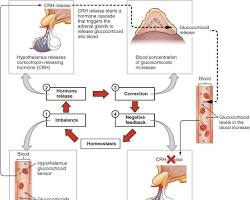
The endocrine system regulates itself using homeostatic feedback loops, primarily involving the hypothalamus and pituitary glands. When a specific hormone’s level rises in the bloodstream, the brain detects this increase and turns down the signaling molecules that instruct the target gland to make more. Once hormone levels naturally drop, the brain turns the signal back up, maintaining a healthy systemic balance.
2. Can you test your hormone levels accurately at home?
While various home testing kits utilizing saliva or finger-prick blood samples have become popular online, they only offer a brief snapshot of a single moment in time. Because hormones fluctuate significantly throughout the day, a comprehensive endocrine evaluation is best performed through a medical practitioner who can order specific, timed blood or dried-urine panels based on your personal health history.
3. How does chronic high cortisol impact sex hormones like testosterone?
When your body perceives chronic ongoing stress, it prioritizes survival over reproduction. Prolonged elevation of cortisol can actively disrupt the signals sent from your brain to your gonads, leading to a down-regulation in the production of sex hormones like testosterone and progesterone. This is an evolutionary defense mechanism designed to conserve biological energy during times of threat.
4. What role do healthy fats play in hormone production?
Healthy dietary fats—specifically cholesterol and essential fatty acids—serve as the indispensable structural raw materials used by your endocrine glands to manufacture steroid hormones, including cortisol, estrogen, and testosterone. Adopting an overly restrictive, low-fat diet can deprive your body of these essential building blocks, potentially undermining your natural hormone production.
5. Can a single day of healthy habits restore a hormone imbalance?
No, a single day of healthy habits cannot instantly reverse a long-standing hormonal imbalance. Your endocrine receptors require time and consistent environmental signals to upregulate or downregulate their sensitivities. While a single workout or a good night’s sleep provides immediate microscopic benefits, true hormonal optimization requires months of consistent daily habits.
⚠️ Disclaimer
This article is for educational and informational purposes only and does not provide medical advice. If you are experiencing severe, persistent symptoms of hormonal dysfunction, or require diagnostic medical testing, always consult a qualified healthcare professional.
📚 References
- Endocrine Society: Patient Engagement Resources & Endocrine Basics. https://www.endocrine.org/patient-engagement
- National Center for Biotechnology Information (NCBI): Introduction to the Endocrine System & Feedback Loops. https://www.ncbi.nlm.nih.gov/books/NBK279387/
- Johns Hopkins Medicine: Anatomy and Health of the Endocrine System. https://www.hopkinsmedicine.org/health/wellness-and-prevention/anatomy-of-the-endocrine-system
- Mayo Clinic: Endocrine Disorders Clinical Subspecialty Overview. https://www.mayoclinic.org/departments-centers/endocrinology-subspecialty-groups/overview/ovc-20466981
- Harvard T.H. Chan School of Public Health: The Nutrition Source & Metabolic Balance Guidelines. https://www.hsph.harvard.edu/nutritionsource/