
Introduction
Stress is a normal part of life and affects everyone in different ways. It can come from demanding work environments, intensive academic studies, complex personal relationships, or simple daily responsibilities. Far from being a static burden, stress is an evolutionary physiological mechanism meant to shift your body’s operational state to survive an immediate challenge. Building a comprehensive framework for mental and physiological recovery requires a deep appreciation for how your systemic biology interprets external pressure.
How a person responds to these everyday pressures is often described as stress resilience—the structural ability to adapt, recover, and maintain homeostasis after facing significant challenges. Rather than a rigid shield that keeps the world out, real resilience works like a high-performance shock absorber, allowing you to flex under a heavy psychological load and bounce back to baseline without sustaining structural wear and tear.
Stress resilience is not about avoiding stress completely or aiming for a life of perfect, undisturbed isolation. Instead, it is about gradually improving how your body and mind coordinate their biological responses to strain over time. For broader global health context, you can explore the underlying epidemiology of chronic stress and its widespread effects on systemic physiology from trusted global health authorities like the World Health Organization.
During my 6+ years working within clinical public health systems and primary health centres, including NRHM facilities, evaluating chronic psychological strain and its physical manifestations was a routine operational requirement. In these community clinics, we observed firsthand that when an individual’s environmental demands consistently outpaced their coping resources, their broader physical health suffered a profound cascade failure.
My public health background taught me that stress management is never just a mental exercise. When localized lifestyle structures collapse—whether due to erratic work hours or broken sleep schedules—the resulting chronic nervous system activation leaves the entire body vulnerable to metabolic and immunological dysfunction. Achieving authentic vitality requires building a highly structured lifestyle that deliberately buffers your nervous system against external shocks, a foundational philosophy necessary for long-term health.
What Is Stress Resilience?
At its core, stress resilience refers to a dynamic set of physiological and psychological capabilities that allow an individual to navigate an intense environment without suffering systemic degradation. Specifically, high stress resilience gives you the ability to:
- Handle stressful situations more calmly: Preventing minor daily inconveniences from triggering a massive, system-wide fight-or-flight response.
- Recover rapidly after challenges: Clearing out stress chemicals efficiently once a threat has passed so your tissues can return to resting maintenance.
- Maintain emotional balance under pressure: Protecting your executive cognitive functions so you can make deliberate choices instead of emotional reactions.
- Adapt dynamically to changing situations: Shifting your behavioral strategies smoothly when external conditions become volatile or unpredictable.
It is absolutely crucial to understand that stress resilience is not a fixed genetic trait or an unalterable aspect of your personality. It functions much like a dynamic physiological capacity that changes constantly over time based on your daily lifestyle architecture, your surrounding environment, and the compounding choices you make within your routine.
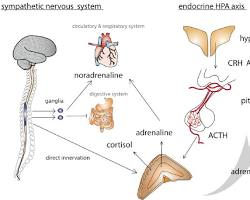
📊 The Autonomic Stress and Recovery Cascade
To understand how your central nervous system switches between intense alert states and deep systemic restoration, review this operational flowchart:
THE AUTONOMIC BALANCING ACT
                   [External Stressor or Psychological Cue]
                                      │
                                      ▼
             [Sympathetic Nervous System (SNS) Activates]
              ──► Spikes Cortisol & Adrenaline
              ──► Increases Heart Rate & Alertness
              ──► Suppresses Digestion & Deep Repair
                                      │
                                      ▼
                        [Stressor / Challenge Ends]
                                      │
                                      ▼
            [Parasympathetic Nervous System (PNS) Takes Over]
              ──► Initiates Acetylcholine Release
              ──► Lowers Heart Rate & Clears Cortisol
              ──► Re-Engages Cellular Repair & Deep Sleep
How the Body Responds to Stress
When an unexpected stressful event occurs, your brain instantly perceives a disruption in safety and triggers a highly coordinated, survival-driven biological response. This complex neurological cascade initiates several rapid physical transformations:
- Heightened Alertness: The brain sharpens sensory inputs, dilates pupils, and accelerates cognitive processing speeds to evaluate immediate threats.
- Elevated Cardiorespiratory Output: Your heart rate speeds up and blood vessels contract to redirect oxygenated blood away from your skin and stomach, forcing it straight into major skeletal muscles.
- Systemic Endocrine Secretion: Your adrenal glands immediately release a massive wave of stress-related signaling chemicals, primarily adrenaline and cortisol, to unlock deep liver glucose reserves for quick energy.
- Sharpened Short-Term Focus: Your nervous system suppresses non-essential thoughts, narrowing your psychological tunnel vision down to the exact problem at hand.
This systemic reaction is a beautifully engineered masterpiece of normal human biology. It is designed explicitly to keep you alive by ensuring you can mobilize massive amounts of physical energy to react quickly in critical situations.
These factors are widely discussed in behavioral health research and public health resources such as NHS mental wellbeing guidance.
Why Some People Handle Stress Better
People who manage daily challenges effectively are not inherently immune to pressure; rather, they have constructed a lifestyle framework that protects their nervous system from burning out. These highly resilient individuals consistently maintain supportive daily routines that reinforce their biology, including:
- Consistent Sleep Environments: Protecting the precise neurological windows required to purge metabolic waste from the brain.
- Structured Physical Movement: Providing an artificial outlet to safely burn off excess systemic stress chemicals.
- Strong Social Frameworks: Utilizing supportive communal relationships to lower autonomic nervous system arousal.
- Deliberate Recovery Windows: Setting aside dedicated periods throughout the week where the mind is completely free from performance metrics.
These multi-dimensional lifestyle factors are studied extensively within modern behavioral health sciences and are strongly emphasized in clinical toolkits such as the NHS mental wellbeing guidance. When your base habits are optimized, your physical body can tolerate significantly higher amounts of external pressure without entering a state of chronic, toxic strain.
Deep Biochemical Factors That Influence Resilience
Your overall capacity to handle pressure is dictated by several overlapping areas of your daily routine. Because your brain and body operate as an integrated unit, your resilience is always a reflection of multiple physical, mental, and social influences:
- Sleep Quality and Architecture: Dictates whether your brain can successfully recalibrate its emotional center (the amygdala) on a nightly basis.
- Nutritional Inputs: Provides the essential micronutrients, antioxidants, and amino acids required to rebuild neurotransmitters and maintain stable energy lines.
- Physical Activity Baseline: Directly trains your cardiovascular system to remain calm when your heart rate spikes during an emotional challenge.
- Work-Life Separation: Establishes firm boundaries that prevent professional anxieties from bleeding into your domestic recovery spaces.
- Emotional Support Networks: Provides a safe communicative outlet that lowers blood pressure and dampens hyper-active fear signaling in the brain.
- Daily Coping Strategies: Determines whether you actively process lifestyle pressure through constructive habits or mask it through short-term distractions.
Understanding Your Endocrine Feedback Systems
When evaluating how stress interacts with your broader health, you must look closely at how your hormones are managed under pressure. If your body stays in a fight-or-flight state for too long, it can alter your entire hormonal profile, leading to downstream metabolic changes.
For instance, your adrenal glands will continuously produce cortisol at the expense of other essential health parameters. Cortisol management is a delicate act; when the hormone remains chronically high, it can disrupt your body’s communication networks, creating a ripple effect across multiple organ systems. This can affect how your body regulates blood sugar, handles cellular repairs, and manages basic daily energy. Understanding hormone balance requires realizing that these stress systems tie directly into your body’s broader chemical messengers, meaning that mental pressure quickly translates into physical imbalance.
Signs of Lower Stress Resilience (General Overview)
When lifestyle pressures accumulate without sufficient rest, your underlying resilience systems can begin to wear thin. Because stress impacts every organ system, a drop in resilience typically shows up as a combination of physical, mental, and emotional signs:
- Feeling overwhelmed or intensely panicked by minor, everyday tasks.
- An inability to relax or quiet your thoughts, even when you are in a safe, quiet environment.
- Chronically low energy levels and waking up feeling exhausted despite spending hours in bed.
- Noticeable trouble focusing, brain fog, and an inability to retain simple information.
- Uncharacteristic mood changes, sudden irritability, or heightened emotional sensitivity.
These symptoms are highly common warning signs that your nervous system is operating near maximum capacity. They can stem from many different lifestyle factors and should be looked at as a clear signal from your body to slow down and audit your daily recovery routines.
Advanced Modalities to Accelerate Recovery
Modern lifestyle medicine is turning its attention to specialized, non-invasive modalities that help support your cellular recovery systems. While these tools do not replace the need for foundational habits like nutrition and movement, they can complement your routine by helping your nervous system drop out of a highly alert state.
When you support your cells at a level that encourages cellular energy production, your tissues can handle environmental demands more effectively. For example, researchers look at how targeted wavelengths of light can interact with cellular powerhouses to mitigate the physical damage caused by high stress states, a concept popularized in light-based therapeutic research. Similarly, low-frequency magnetic fields are being studied for their ability to encourage a deep state of systemic relaxation, assisting with physical recovery after high-intensity days by resetting cellular electrical potentials.
Optimizing Your Environment for Maximum Resilience
Providing your cells with the right inputs allows your body to heal from daily wear and tear. When your physical framework is strong, your mental clarity and emotional capacity naturally improve.
Advanced recovery options can help you maintain a resilient physical state. For example, modern wellness sciences utilize precise, highly specific amino acid chains to help support cellular communication and repair paths that are often worn down by high cortisol levels. Additionally, changing atmospheric pressures can be utilized to saturate your tissues with optimal oxygen levels, fueling the intensive cellular repair tasks that get put on hold when your body is busy dealing with chronic daily stress.
Core Lifestyle Habits That Support Stress Resilience
Clinical research across lifestyle medicine shows that building real stress resilience is achieved through small, intentional, everyday habits. Your nervous system listens to the environmental structure you build through your choices.
1. Improve Your Sleep Routine
Consistent, high-quality sleep is the absolute foundation of neural and physical recovery. While you are asleep, your brain activates a specialized waste-clearance system to clean out metabolic debris and file away emotional memories safely. If your sleep is constantly broken, your brain remains in an alert, highly reactive state the next day. Understanding your sleep cycles—specifically deep sleep and REM phases—is crucial for anyone looking to fix their emotional baseline and manage daily cortisol accumulation.Related reading: Sleep and mental health – Sleep Foundation
2. Stay Physically Active
Regular body movement serves as a brilliant natural decompression valve for an over-stimulated nervous system. Engaging in structured physical exercise helps clear out built-up adrenaline and teaches your heart and lungs to handle physical strain with greater composure. Whether it is cardiorespiratory training or resistance-based movement, forcing the body to adapt to deliberate, physical stress makes it much more robust when facing psychological stress.
3. Practice Relaxation Techniques
Intentionally slowing your breathing pattern down sends an immediate, unmistakable chemical signal to your brain that you are safe. Simple practices like box breathing or structured mindfulness help deactivate an over-stimulated fight-or-flight response, dropping your blood pressure and allowing your body to settle into a resting state.
4. Eat Balanced Meals
Your brain requires a steady, uncompromised supply of clean energy to keep its emotional control centers operating smoothly. Eating meals rich in whole foods, quality protein, and essential micronutrients keeps your blood sugar levels from swinging wildly, protecting you from sudden mood drops or energy crashes. When metabolic efficiency drops due to poor nutrition, your physiological resilience drops right along with it.
5. Maintain Social Connections
Spending time with trusted friends and family members prompts your brain to release oxytocin, a powerful natural hormone that counteracts the toxic physical effects of cortisol. Cultivating real, supportive human relationships acts as an invaluable psychological shock absorber during challenging times, protecting your long-term mental wellbeing.
🔍 Additional Focus Areas for Deep Recovery
If you want to dive deeper into stabilizing your system, consider exploring these crucial related areas on our site:
- 👉 Cortisol Management Guide
- 👉 Hormone Balance Overview
- 👉 Deep Sleep & Recovery
Stress Is Not Always Harmful
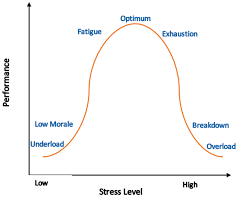
It is highly valuable to remember that stress is a natural biological response and is not always a negative force. Short-term, acute stress can be an incredible asset—it can improve your working focus, skyrocket your short-term performance, and help you grow stronger through adversity.
The real challenges arise when stress becomes constant, turning into a chronic state without enough dedicated recovery time. When you don’t allow your body to drop back down to its resting baseline, your tissues stay exposed to high stress signals for too long, which can eventually chip away at your physical health.
Building Stress Resilience Over Time
Building real, lasting stress resilience is a gradual process that happens over months and years of consistent, low-effort lifestyle habits. It is built out of the small choices you make every single day.
Simple, long-term practices to adopt include:
- Keeping a highly regular sleep and wake schedule across the week.
- Taking short, intentional 5-minute breaks to breathe during busy workdays.
- Committing to regular physical movement, even if it is just a short walk outside.
- Managing your daily workload realistically and learning to say no when your schedule is full.
- Practicing slow, calm nasal breathing the moment you feel tension rising.
Making small, sustainable improvements to your everyday routine is infinitely more effective than trying to overhaul your entire life overnight with extreme health trends.
ou can also explore more related topics on our site:
Final Thoughts
Your overall stress resilience is a direct reflection of how well your body and mind adapt and recover from life’s inevitable challenges. It is continuously shaped by your daily habits, your immediate environment, and your broader lifestyle choices.
Instead of exhausting your energy trying to eliminate stress from your life completely, a much more practical and empowering approach is to support your body and mind through consistent, healthy routines. By protecting your sleep, staying active, and setting clear boundaries, you build a strong physical and mental foundation that allows you to face life’s pressures with confidence and calm.
❓ Frequently Asked Questions (FAQ)
1. What is the physiological difference between acute and chronic stress?
Acute stress is a short-term adaptive response that spikes your heart rate and energy levels to help you handle an immediate challenge, returning to baseline quickly once the task is finished. Chronic stress occurs when those same alert systems stay turned on for weeks or months at a time without a break, which can gradually drain your energy and affect your long-term health.
2. Can taking regular breaks actually improve productivity?
Yes, taking short, structured recovery breaks during the day helps prevent your brain from getting exhausted. It gives your nervous system a chance to step away from a state of high tension, helping you maintain better focus, prevent mental fatigue, and stay clear-headed over long working sessions.
3. How does high stress impact my digestive system?
When your body enters a fight-or-flight state, it prioritizes survival over everything else. It redirects blood flow away from your digestive organs and straight toward your large muscles, which can slow down digestion and sometimes cause temporary stomach discomfort or changes in how your body absorbs nutrients.
4. Why does writing down thoughts help reduce mental tension?
Putting your worries down on paper helps organize scattered thoughts, moving them out of an anxious mental loop and into a structured format. This simple practice can help lower emotional intensity, giving your brain a sense of clarity and control over the things that are causing you worry.
5. How long does it take to see improvements in stress resilience?
While practices like slow breathing can help calm your nervous system within a few minutes, building long-term resilience across your body takes a few weeks of consistent habits. Staying dedicated to regular sleep, movement, and nutrition gives your cells the time they need to adapt and become more resilient to future pressures.
⚠️ Disclaimer
This article is for educational and informational purposes only and does not provide medical advice. If lifestyle stress is significantly affecting your daily life, mood, or physical health, always consult a qualified healthcare professional.
📚 References
- World Health Organization (WHO): Questions and Answers Regarding Global Stress Management and Public Health.
- National Health Service (NHS): Every Mind Matters Mental Wellbeing Guidance and Toolkits.
- Sleep Foundation: Sleep and mental health context.
- American Psychological Association (APA): The Science of Resilience and Stress Adaptability.
- Harvard T.H. Chan School of Public Health: Behavioral Health Frameworks and Lifestyle Medicine.