
Introduction
Cortisol is a natural hormone produced by the body that plays an important role in how we respond to stress. It is often called the “stress hormone,” but it is also essential for many normal functions, including energy regulation, metabolism, and daily body rhythms. Far from being a simple chemical villain, this essential glucocorticoid acts as your body’s primary biological alarm system, ensuring that your brain, heart, and muscles have immediate access to survival resources whenever an internal or environmental challenge arises.
While cortisol is important for survival, long-term high stress levels can affect how the body feels and functions. Because of this, maintaining healthy lifestyle habits that support balanced cortisol levels is an important part of overall well-being. When the body remains trapped in a continuous, unyielding state of alert, the prolonged elevation of stress signaling can gradually alter nutrient storage, degrade structural tissues, and compromise your cognitive health.

This guide explains cortisol in simple terms and how everyday habits can support balance.
During my 6+ years working within clinical public health systems and primary health centres, including NRHM facilities, chronic stress and HPA-axis dysfunction were prominent factors in patient evaluations. In public health infrastructure, we frequently observed that patients dealing with prolonged lifestyle stress, poor sleep environments, and metabolic challenges exhibited a significantly higher risk of developing complex health conditions. What my clinical public health background taught me is that you cannot isolate a single hormone from the rest of your biology. Cortisol interacts directly with your blood sugar, immune response, and sleep quality. True systemic wellness cannot be achieved through quick fixes; it requires establishing a calm, structured internal environment where your body feels safe enough to downregulate its stress response and focus on deep cellular repair.
What Is Cortisol?
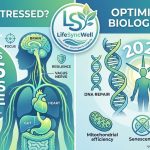
Cortisol is a steroid-based hormone made and secreted by the adrenal cortex of the adrenal glands, which sit directly above the kidneys. The production of cortisol is governed by a highly sophisticated, multi-tiered feedback loop in the endocrine system known as the Hypothalamic-Pituitary-Adrenal (HPA) axis.
The adrenal glands release cortisol in direct response to several physiological and environmental cues:
- Physical stress: Such as intense biological trauma, acute injuries, illness, or excessive overtraining.
- Emotional stress: Stemming from psychological pressures, workplace anxiety, or persistent mental strain.
- Low blood sugar: Prompting the adrenals to release cortisol to prevent dangerous drops in systemic energy.
- Daily waking and sleep cycles: Matching your natural internal biological clock to govern your morning alertness.
Cortisol helps the body stay alert and respond to challenges when needed, acting as a dynamic chemical messenger that balances survival mechanisms against daily environmental demands.
📊 The HPA Axis & Cortisol Signaling Cascade
To visualize how a perceived stressor moves from an initial brain signal down into a physical release of cortisol from your adrenal glands, review this physiological pathway:
THE HYPOTHALAMIC-PITUITARY-ADRENAL (HPA) AXIS
[Brain Perceives Stress or Low Blood Sugar]
                    │
                    ▼
[Hypothalamus Secretes CRH (Corticotropin-Releasing Hormone)]
                    │
                    ▼
[Anterior Pituitary Releases ACTH (Adrenocorticotropic Hormone)]
                    │
                    ▼
[Adrenal Cortex Manufactures & Secretes Cortisol]
                    │
                    ▼
[Systemic Impact: Elevated Blood Sugar, Altered Immunity & Alertness]
What Does Cortisol Do?
Cortisol has several important, life-sustaining roles in the human body. Because it can cross directly into cell walls to influence DNA transcription, it serves as a powerful systemic signaling molecule that touches nearly every major organ framework.
In a well-regulated system, cortisol performs several essential daily duties:
- Helps regulate energy levels: Ensuring that your brain and muscles have a steady supply of fuel throughout the day.
- Supports metabolism of carbohydrates, fats, and proteins: Directing how your body breaks down and utilizes dietary macronutrients for physical performance.
- Helps manage inflammation in short-term situations: Acting as a highly effective natural anti-inflammatory agent that keeps immune responses from overreacting to acute localized injuries.
- Supports blood pressure regulation: Working alongside other adrenal hormones to maintain proper vascular tone and fluid balance across your circulatory system.
- Plays a role in the sleep-wake cycle: Spiking sharply right before you wake up to provide your brain with immediate morning alertness and drive.
In healthy, balanced amounts, cortisol is essential for normal body function. It is the vital chemical engine that allows you to jump out of bed in the morning, focus on complex intellectual tasks, and adapt to sudden physical demands.
Cortisol and Stress
Cortisol levels naturally rise during stressful situations. This is part of the body’s normal, evolutionarily perfected “fight or flight” response, an ancient survival mechanism designed to divert energy away from long-term maintenance projects and send it straight to your vital organs so you can survive an immediate threat.
In short bursts, this acute stress response can be highly helpful, keeping you hyper-focused, dulling temporary pain, and increasing your physical output. However, ongoing modern stress without enough recovery time may affect sleep, mood, and energy levels in some people. When your brain constantly perceives psychological stress—such as financial anxiety, digital overstimulation, or relational tension—the HPA axis remains turned on, flooding your bloodstream with a continuous stream of cortisol that never has a chance to clear out.
The goal is not to eliminate cortisol, but to support a healthy balance in daily life. Trying to completely suppress your stress hormones would leave you with severe chronic fatigue and an inability to manage minor physical tasks. True optimization is about protecting your body’s natural baseline rhythms so your stress hormones can spike when needed and drop down cleanly when the challenge has passed.
Signs of Unbalanced Stress Levels (General Overview)
When stress is frequent, prolonged, or lacks a proper recovery window, your HPA axis can become desensitized. This can lead to a flat or distorted daily cortisol curve, causing some people to experience a variety of subtle systemic signs:
- Difficulty sleeping: Tossing and turning at night, often feeling tired all day but suddenly wide awake the moment your head hits the pillow.
- Feeling tired during the day: Suffering from a persistent, heavy midday energy crash that leaves you reaching for extra caffeine.
- Changes in mood or irritability: Experiencing a lower threshold for daily frustrations, unpredictable mood shifts, or heightened anxiety.
- Low energy levels: Finding it increasingly difficult to summon the physical motivation required for normal daily activities.
- Difficulty relaxing: Feeling a continuous sense of internal restlessness or mental tension, even when sitting in a quiet environment.
These experiences can have many different underlying causes, and cortisol is only one part of a complex, highly integrated neuroendocrine system. If your cellular signaling pathways are constantly disrupted by elevated stress hormones, it can directly alter how your cells handle nutrients. To understand how prolonged stress can impact your insulin efficiency, cause afternoon cravings, and alter your metabolic health, read our master guide on Insulin Sensitivity and Blood Sugar Management.

Lifestyle Habits That Support Healthy Cortisol Balance
Research shows that everyday habits play a key role in supporting stress balance and overall health. Your endocrine pathways are designed to respond directly to the physical cues, environmental exposures, and daily routines you establish.
1. Prioritize Good Sleep
Consistent sleep helps the body maintain natural hormone rhythms. Achieving uninterrupted evening rest allows your brain to reset its HPA axis, ensuring your cortisol drops to its lowest daily point at midnight. To understand how your overnight brain waves coordinate this vital endocrine cleanup and support healthy cognitive function, read our comprehensive guide on Deep Sleep and REM Sleep Cycles.
2. Stay Physically Active
Regular movement helps the body manage stress more effectively. Engaging in moderate aerobic exercise or structured resistance training acts as a healthy physical outlet for accumulated psychological tension. To learn how to organize your exercise routines using controlled tempos that stimulate muscle growth while protecting your body from the excessive stress of overtraining, check out our protocol on Time-Under-Tension Training.
3. Practice Relaxation Techniques
Activities like deep breathing, meditation, or quiet time can support relaxation. Spending just a few minutes in a state of intentional stillness sends immediate neurological signals to your vagus nerve, helping shift your autonomic nervous system away from fight-or-flight mode and into its native rest-and-repair window.
4. Eat Balanced Meals
A nutritious diet supports stable energy levels throughout the day. Consuming whole, nutrient-dense foods prevents the intense blood sugar drops that force your adrenal glands to pump out extra cortisol to maintain baseline energy. If you are noticing a stubborn stall in your physical shape despite making healthy dietary choices, you can troubleshoot your daily routine using our blueprint on Why Fat Loss Gets Harder After 40.
5. Maintain Social Connection
Spending time with family, trusted friends, or community networks can support emotional well-being. Authentic social bonds encourage the release of oxytocin, a powerful hormone that acts as a natural brake on the brain’s stress centers, helping calm hyperactive HPA-axis signaling.

Why Sleep and Routine Matter
Cortisol naturally follows a highly predictable daily rhythm known as a diurnal curve, which dictates your basic energy patterns across every 24-hour cycle. In a healthy system, cortisol peaks sharply within 30 to 45 minutes of waking up—a phenomenon called the Cortisol Awakening Response (CAR)—to drive morning alertness, before gradually declining throughout the day until it hits its lowest point around midnight.
Healthy sleep habits and consistent daily routines can help support this natural cycle. When you wake up, view natural sunlight, eat meals, and go to bed at the exact same times every day, you provide your brain with powerful environmental anchors that keep your daily cortisol curve perfectly aligned.
Irregular sleep schedules, shift work, or high mental stress may affect this rhythm over time. When your diurnal curve becomes distorted or flattened, you may find yourself struggling with severe morning exhaustion paired with inappropriate spikes in evening energy, which can leave your body feeling drained and uncoordinated. To see how organizing these healthy choices into a single daily system supports your natural biological clock, explore our master guide on 10 Evidence-Based Habits That Support Healthy Aging.
Cortisol Is Not “Bad”
It is vital to understand that cortisol itself is not a harmful or toxic compound. It is a necessary, life-saving hormone that helps the body respond to everyday demands, manage acute inflammation, and maintain baseline cardiovascular function. Without a healthy morning cortisol spike, you would remain in a state of profound physical lethargy.
Problems may arise only when stress is prolonged and the body does not get enough recovery time. When the body is subjected to relentless, unyielding stressors without an intentional counter-balancing period of rest, your cells are continuously exposed to elevated glucocorticoid levels. This state can cause your system to break down muscle tissue for quick fuel while storing extra visceral fat to protect against a perceived emergency.
Balance is the key. True wellness is not about trying to eradicate stress or live a life free of all tension; it is about building a highly resilient physical framework that can handle intense demands during the day and drop back down into deep relaxation at night.
Advanced Modalities and Systemic Support
Modern longevity research is increasingly focusing on how advanced, non-invasive therapies can complement a healthy lifestyle by supporting a calm, restorative environment for your cells. While these specialized tools do not replace consistent daily habits, they can assist with overall recovery and support your body’s stress management systems.
When your body’s cellular environment is fully supported, your primary endocrine pathways can operate with greater efficiency. For example, scientists study how specific wavelengths of light and low-frequency electromagnetic fields can interact with cellular energy centers to support natural vitality, ease physical tension, and assist with recovery. To discover how targeted light exposure supports cellular function, check out our guide on Red Light Therapy and Its Potential Benefits. Additionally, you can learn how low-frequency magnetic fields support natural tissue wellness in our guide on PEMF Therapy and Recovery.
Why Environmental Optimization Matters
Ensuring your cells are fully supported allows your hormonal pathways to function smoothly. When you provide your tissues with proper environmental inputs, your body can naturally coordinate its internal repair mechanisms more effectively without needing to trigger chronic stress alarms.
Advanced wellness methods can assist in maintaining a highly responsive cellular framework. To discover how modern medicine uses targeted, highly specific amino acid signaling chains to encourage safer, more controlled cellular communication pathways, explore our educational guide on Peptide Therapy and How It Works. Furthermore, to see how changing atmospheric pressures can help saturate compromised tissues with the high oxygen levels required to execute complex cellular repair tasks, explore our comprehensive guide on Hyperbaric Oxygen Therapy and Healing.
Simple Daily Practices for Balance
Supporting your body’s stress response doesn’t require complex or expensive protocols. By incorporating simple, intentional practices into your daily routine, you can help calm an overactive HPA axis and support long-term hormone balance:
- Taking short walks during the day: Breaking up long periods of sitting with a few minutes of gentle movement helps lower circulating stress markers.
- Spending time outdoors: Exposure to natural light and green spaces helps ground your nervous system and supports your body’s natural daily rhythms.
- Limiting excessive caffeine intake: Avoiding high doses of caffeine, especially in the late afternoon, prevents unnecessary artificial stimulation of your adrenal glands.
- Taking breaks from screens: Stepping away from digital devices helps protect your brain from the mental fatigue caused by constant information exposure.
- Practicing slow breathing for a few minutes: Engaging in deliberate, deep diaphragmatic breathing acts as an immediate physical signal that tells your brain it is safe to relax.
Small, consistent habits are often far more effective than extreme, short-term lifestyle changes. Adopting a sustainable approach protects your endocrine system from sudden disruptions and builds lasting health.
Final Thoughts
Cortisol is an essential hormone that supports energy, metabolism, and stress response. While it is important for normal functioning, maintaining balance through healthy lifestyle habits can support overall well-being, keeping your mind sharp and your body resilient.
Focusing on sleep, movement, nutrition, and relaxation is the most reliable long-term approach to supporting a healthy stress response. By respecting your body’s natural rhythms, creating a calm evening environment, and engaging in regular movement, you give your endocrine system the support it needs to thrive.
Good health is built through routine, environment, and lifestyle choices over time. By committing to an elite daily routine, you unlock your body’s true potential for long-term physical strength and mental clarity. To see how to bring these foundational health habits together into a single, cohesive daily system, view our capstone master plan on 10 Evidence-Based Habits That Support Healthy Aging.
❓ Frequently Asked Questions (FAQ)
1. Is cortisol inherently bad for muscle growth and physical performance?
No, cortisol is not inherently bad for your physical development. During an intense workout, your cortisol levels naturally rise to help mobilize stored energy, manage acute inflammation, and maintain proper blood pressure. Cortisol only becomes detrimental to muscle tissue when it remains chronically elevated for days or weeks at a time without adequate sleep and recovery, which can lead to muscle breakdown.
2. What is the link between chronic high cortisol and abdominal fat?
Visceral fat cells located deep within the abdomen contain a significantly higher concentration of cortisol receptors compared to subcutaneous fat cells found elsewhere in the body. When cortisol levels remain continuously elevated due to ongoing lifestyle stress, it activates specific fat-storing enzymes in these cells, encouraging the body to preferentially store deep abdominal fat as a survival reserve.
3. Can a standard blood test accurately map my daily cortisol rhythm?
A single standard blood test can only measure your cortisol level at the exact minute your blood is drawn, which makes it difficult to map your overall daily rhythm. Because cortisol levels change dramatically throughout the day, healthcare professionals looking to assess an individual’s complete diurnal curve typically utilize specialized saliva or dried urine tests collected at multiple intervals across a 24-hour period.
4. How does drinking caffeine late in the day impact cortisol levels?
Caffeine acts as a direct stimulant on the central nervous system, prompting your pituitary gland to signal the adrenal glands to release extra cortisol and adrenaline. Consuming caffeine late in the afternoon or evening can create an artificial hormone spike that disrupts your body’s natural evening decline, making it difficult for your brain to transition into deep, slow-wave sleep.
5. Can a healthy lifestyle reverse the effects of chronic stress on the body?
Yes, your endocrine system is highly responsive and capable of adapting to positive lifestyle changes. By prioritizing consistent sleep schedules, engaging in regular moderate movement, managing your nutrition, and practicing relaxation techniques, you can help desensitize a hyperactive HPA axis and encourage your body to return to a balanced, healthy daily hormone rhythm.
⚠️ Disclaimer
This article is for educational and informational purposes only and does not provide medical advice. If you are experiencing symptoms of severe chronic fatigue, dealing with prolonged unmanaged stress, or require diagnostic endocrine testing, always consult a qualified healthcare professional.
📚 References
- World Health Organization (WHO). Stress Management Guidelines, Neuroendocrine Health, and Global Mental Wellbeing. Official WHO Portal
- National Institute on Aging. The HPA Axis, Glucocorticoid Dynamics, and Neurobiological Resilience in Aging Models. Official NIA Portal
- Centers for Disease Control and Prevention (CDC). Chronic Stress Metrics, Public Health Outcomes, and Sleep Hygiene Standards. Official CDC Portal
- Harvard T.H. Chan School of Public Health. Psychosocial Stressors, Endocrine Signaling, and Long-Term Metabolic Risk Factors. Official Harvard Portal
- National Sleep Foundation. Diurnal Cortisol Rhythms, Sleep Architecture Interactions, and Circadian Synchronization Profiles. Official National Sleep Foundation Portal