
Introduction
Sleep is one of the most important daily functions for overall health and well-being. It supports physical recovery, mental clarity, and emotional balance. Far from being a passive state of inactivity, sleep is a highly dynamic neurological process during which your brain organizes memories, clears out metabolic waste, and repairs cellular damage across your entire body. Achieving true vitality requires a realistic appreciation for how your internal biological rhythms respond to your daily environment.
The term “sleep optimization” is often used to describe efforts to improve sleep quality through better habits and environment. In simple terms, it means creating conditions that support consistent and restful sleep. Rather than focusing on how long you can force yourself to lie in bed, true optimization is about improving the depth and structure of your rest so that your mind and body can fully recover. For general reference, you can explore sleep health guidance from trusted sources such as the Sleep Foundation and Harvard Health Publishing.
During my 6+ years working within clinical public health systems and primary health centres, including NRHM facilities, evaluating chronic sleep disturbances and their downstream physical effects was a routine operational requirement. In these community clinics, we observed firsthand that when an individual’s daily routine fractured—whether due to erratic shift work, poor evening habits, or unmanaged environmental stress—their physical and mental health suffered a profound breakdown.
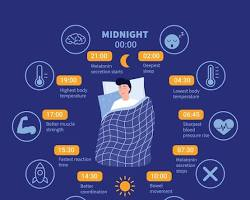
My public health background taught me that restful sleep cannot be forced through short-term shortcuts or overnight trends. When your underlying circadian rhythms are disrupted by poor daily habits, your entire metabolic and neurological framework operates under strain. Achieving authentic, long-term health requires building a reliable, highly structured lifestyle routine that naturally protects your sleeping baseline from the ground up.
What Is Sleep Optimization?
Sleep optimization refers to improving sleep quality by focusing on daily habits, routines, and sleep environment. It shifts the focus away from short-term fixes and looks at your lifestyle as an integrated system that directly prepares your brain for rest.
This comprehensive approach includes factors such as:
- Sleep schedule consistency: Going to bed and waking up at the same time to anchor your internal clock.
- Bedroom environment: Adjusting temperature, sound, and lighting to remove physical disruptions.
- Daily activity levels: Moving your body during the day to build up natural sleep drive.
- Stress management: Lowering evening mental load so your nervous system can relax.
- Evening routines: Giving your body a predictable, clear signal that it is time to wind down.
Rather than relying on quick fixes, sleep optimization is based on long-term behavioral patterns. It is a continuous practice of aligning your daily choices with your body’s natural biological needs.
Why Sleep Matters
Good sleep is linked with many aspects of health, serving as the foundational pillar for both physical survival and daily cognitive performance. When you secure deep, continuous rest, your body can execute vital maintenance tasks that keep your systems running smoothly.
Specifically, quality sleep supports:
- Cognitive performance: Sharpening your problem-solving skills and processing speeds for the day ahead.
- Memory and focus: Allowing the brain to file away information learned during the day and protect attention spans.
- Mood regulation: Balancing emotional processing centers to improve your resilience against daily stressors.
- Energy levels: Restoring cellular energy stores so you wake up feeling refreshed and capable.
- Physical recovery: Repairing tissues, balancing hormones, and supporting immune health.
According to major health organizations, most adults need around 7–9 hours of quality sleep per night for optimal functioning. Consistently cutting this window short deprives your body of the time it requires to finish these essential biological repair cycles.
📊 The Circadian Synchronization Pathway
To understand how your body coordinates your internal clock to guide you from daytime alertness into deep overnight rest, review this operational flowchart:
THE CIRCADIAN SIGNALING SYSTEM
                    [Daytime Ingestion & Blue Light Exposure]
                                       │
                                       ▼
                  [Suprachiasmatic Nucleus (SCN) Activates]
                    ──► Suppresses Natural Melatonin
                    ──► Raises Core Temperature & Cortisol
                    ──► Maximizes Daytime Energy Lines
                                       │
                                       ▼
                     [Sunset & Evening Light Reduction]
                                       │
                                       ▼
                 [Pineal Gland Initiates Melatonin Secretion]
                    ──► Lowers Core Body Temperature
                    ──► Shifts Nervous System to Parasympathetic
                    ──► Prepares Tissues for Systemic Rest
                                       │
                                       ▼
                [Deep Restorative Sleep Architecture Achieved]
Key Factors That Influence Sleep Quality
Several lifestyle and environmental factors can affect how well a person sleeps, directly altering your internal sleep architecture over time:
1. Sleep Schedule
Going to bed and waking up at consistent times helps regulate the body’s internal clock. Keeping a strict schedule makes it easier for your brain to anticipate sleep, allowing you to fall asleep faster and wake up with less morning grogginess.
2. Light Exposure
Exposure to bright or blue light in the evening may interfere with natural sleep signals. Blue light from digital devices mimics the sun, tricking your brain into suppressing melatonin production and delaying your natural urge to sleep.
3. Stress Levels
High stress can make it harder to relax and fall asleep. Chronic worries keep your sympathetic nervous system active, keeping your heart rate elevated and your mind racing when it should be settling into a state of rest.
4. Physical Activity
Regular movement during the day is associated with better sleep quality. Staying active burns physical energy and deepens your natural sleep drive, helping you access deeper phases of restorative sleep at night.
5. Diet and Timing
Heavy meals or stimulants like caffeine close to bedtime may affect sleep. Caffeine blocks drowsiness signals in the brain for hours, while digesting large meals late at night keeps your core body temperature elevated, disrupting your sleep cycles.
What Is Sleep Hygiene?
Sleep hygiene is a set of habits that support better sleep. It serves as a practical blueprint for structuring your evening environment and daily actions to work with your body’s natural sleep systems rather than against them. You can read more about this foundational concept from WebMD and CDC sleep guidance.
Key practices of sleep hygiene include:
- Keeping a consistent sleep schedule every day of the week.
- Creating a comfortable sleep environment that is dark and quiet.
- Avoiding screens before bedtime to minimize artificial light exposure.
- Maintaining a relaxing evening routine to ease transition states.
Adopting these habits creates a reliable baseline of signals that let your nervous system know it is safe to down-regulate and rest.
Understanding Systemic Metabolic Links
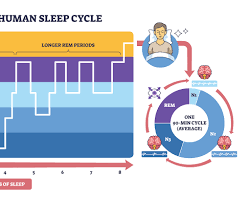
Your sleep quality does not operate in a vacuum; it is deeply tied to how your body handles food, manages stress, and regulates hormones. When your sleep cycles are disrupted, your broader metabolic networks can suffer immediate imbalances.
For instance, how well your cells manage blood sugar is closely linked to your sleep consistency. Missing out on deep rest can make it harder for your body to process glucose efficiently the next day, leading to sudden energy drops and intense sugar cravings. Keeping your sleep stable is essential for steady, day-long energy.
Similarly, an active stress response directly interferes with your ability to rest. If you stay in a constant fight-or-flight state, your body continuously pumps out stress hormones that keep you alert. Giving yourself space to wind down in the evening helps lower these alertness signals, protecting your body from long-term exhaustion.
Simple Habits That May Support Better Sleep
Research suggests that small daily habits can support improved sleep quality over time. Your body responds best to gentle, predictable choices that you repeat consistently.
1. Maintain a Regular Sleep Schedule
Try to sleep and wake up at similar times every day. Sticking to this routine—even on weekends—anchors your internal biological clock, helping your body regulate its natural energy levels smoothly.
2. Create a Calm Evening Routine
Reading, light stretching, or relaxation techniques may help prepare the body for rest. Setting aside the last hour of your day for quiet, non-screen activities signals your nervous system to step away from daily performance metrics.
3. Reduce Screen Exposure Before Bed
Limiting device use in the evening may support natural sleep cycles. Putting away phones and tablets an hour before bed protects your eyes from artificial blue light, allowing your brain to produce the melatonin needed to fall asleep naturally.
4. Improve Sleep Environment
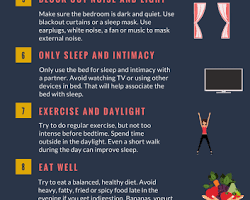
A quiet, dark, and cool room is often recommended for better sleep conditions. Using blackout curtains, turning down the thermostat, or using white noise can keep outside disruptions from breaking your sleep cycles during the night.
5. Stay Active During the Day
Regular physical activity may support more stable sleep patterns. Getting outside for a walk or exercise session during daylight hours helps reinforce your daytime energy lines while setting you up for deeper physical recovery at night.
You may also find these related guides useful:
- 👉 Deep Sleep & Recovery Guide
- 👉 Stress Resilience Basics
- 👉 Cortisol Management Overview
- 👉 Nootropic Stacks Overview
Common Sleep Challenges
Many people experience occasional sleep difficulties, which can disrupt daily focus and performance. These issues are often directly linked to lifestyle factors and daily habits rather than permanent issues. Common challenges include:
- Trouble falling asleep: Lying awake for long periods with a racing mind or physical restlessness.
- Waking up during the night: Finding yourself awake in the early hours and struggling to return to sleep.
- Feeling tired after sleep: Waking up unrefreshed despite spending a full eight hours in bed.
- Irregular sleep patterns: Shifting your sleep windows constantly throughout the week.
Identifying these patterns is the first step toward optimization. Often, making small adjustments to your light exposure, evening stress levels, or daytime activity can resolve these common everyday challenges.
When to Seek Professional Help
Occasional sleep disruptions are a normal part of life, often tracking with temporary project deadlines, travel, or minor stress. In most cases, returning to a consistent routine is enough to restore your rest.
However, if sleep problems are frequent or long-lasting, it is generally recommended to consult a qualified healthcare professional for proper evaluation. Persistent, unchanging sleep issues can sometimes point to underlying health conditions that require clinical assessment rather than simple lifestyle adjustments.
Final Thoughts
Sleep optimization is about improving daily habits and creating a supportive environment for rest. It does not require achieving perfection on an unbending schedule, but rather creating a supportive lifestyle pattern that allows your mind and body to reset.
Small, consistent changes in routine often have a stronger long-term impact than short-term fixes. Good sleep is not about perfection, but about consistency and balance over time. By protecting your sleeping environment, anchoring your schedule, and managing your evening stress, you build a foundation for long-term health and clarity.
Frequently Asked Questions (FAQ)
1. Why does core body temperature matter for falling asleep?
Your body naturally drops its core temperature in the evening to prepare for sleep. If your bedroom is too warm, or if you exercise heavily right before bed, your body may struggle to reach this lower temperature, making it harder to fall into a deep rest.
2. Can catching up on sleep over the weekend fix a weekday sleep deficit?
While sleeping in on weekends can provide some temporary relief from fatigue, it does not fully reverse the mental or metabolic impact of chronic weekday restriction. Additionally, shifting your schedule around can confuse your internal clock, making it harder to fall asleep on Sunday night.
3. How does caffeine consumption in the afternoon affect overnight sleep?
Caffeine has a long half-life, meaning it can stay active in your system for many hours after your last sip. It blocks adenosine receptors—the chemicals that build up during the day to make you feel sleepy—which can make your sleep lighter and more fragmented.
4. What is the benefit of a progressive wind-down routine?
A wind-down routine acts as a gentle transition for your nervous system. Moving progressively from high-stimulation tasks like work or video games to quiet habits like reading lets your body lower its heart rate and shift away from an alert state.
5. How long should someone wait to see results from a new sleep routine?
While adjustments like reducing evening screen light or lowering room temperature can improve your comfort within a night or two, anchoring your body’s internal clock fully usually takes two to three weeks of consistent sleep and wake times.
⚠️ Disclaimer
This article is for educational purposes only and does not provide medical advice. If you have ongoing sleep concerns, always consult a qualified healthcare professional.
📚 References
- Sleep Foundation: Comprehensive guidelines on sleep hygiene and behavioral optimization patterns.
- Harvard Health Publishing: Research on the connection between circadian rhythms, light exposure, and long-term well-being.
- Centers for Disease Control and Prevention (CDC): Public health data regarding recommended sleep durations for adults.
- WebMD: Structural overviews of common sleep challenges and supportive environmental habits.