

Introduction
Healthy aging is a topic that interests people of all ages. While scientific research continues to explore the biological processes associated with aging, experts agree that daily lifestyle habits remain one of the most important factors influencing long-term health and well-being. Far from being a rigid or static blueprint, caring for your body over time is a dynamic process that responds continuously to your daily routine, environmental inputs, and physical choices.
In recent years, social media and online wellness communities have popularized complex anti-aging strategies and “longevity protocols.” However, many of these approaches are based on emerging research that is still being studied. This guide focuses on practical, evidence-informed habits that support overall wellness and healthy aging without relying on complicated routines or experimental interventions. For additional information, you can always consult trusted resources like the National Institutes of Health (NIH) and the National Institute on Aging (NIA).
During my 6+ years working within community health systems and primary health centers, including NRHM facilities, evaluating patterns of physical exhaustion and counseling individuals on sustainable health was a central part of daily operations. In these busy health facilities, we frequently encountered people who were overwhelmed by the demands of modern life. Searching for an immediate answer to their declining stamina, they often looked toward expensive, unverified online protocols, completely bypassing the reality that their day-to-day lives lacked the core pillars necessary for baseline cellular function.
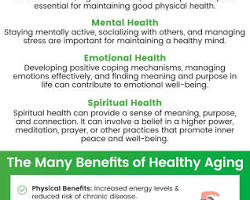
What my public health background taught me is that physical resilience and long-term vitality cannot be forced through isolated shortcuts. Your body’s internal systems depend completely on a steady, predictable daily foundation. To support your body’s natural capacity to maintain energy, strength, and clarity over time, you must first establish a dependable lifestyle structure built around proper rest, regular physical movement, and balanced nutrition from the ground up.
What Does Healthy Aging Mean?
Healthy aging does not mean preventing or reversing aging. Because time naturally brings changes to every living tissue, true well-being focuses on optimizing how your physical systems operate rather than fighting an impossible biological clock.
Instead, it refers to maintaining physical, mental, and social well-being as we grow older. According to the National Institute on Aging, healthy aging involves supporting quality of life, mobility, independence, and overall health throughout adulthood. It means preserving the structural integrity of your organs and muscles so you can continue participating fully in the activities you enjoy.

Why Lifestyle Habits Matter
Researchers have identified several lifestyle factors that consistently influence health outcomes over time. Your body thrives on predictability; when it receives steady, positive inputs, it can perform its routine maintenance tasks with minimal internal friction.
These critical factors include:
- Physical activity: Keeping muscles strong and blood circulation efficient.
- Sleep quality: Allowing the brain and tissues a dedicated window for structural repair.
- Nutrition: Providing the essential raw building blocks required for daily cellular function.
- Stress management: Keeping systemic stress flags from disrupting metabolic processes.
- Social connection: Fostering relationships that support emotional resilience and daily joy.
- Preventive healthcare: Partnering with medical experts to monitor baseline health metrics.
While no single habit guarantees specific outcomes, these factors are widely recognized as important components of long-term wellness.
📊 The Daily Habit and Physical Resilience Axis
To see how your everyday choices and lifestyle environments directly influence whether your body maintains functional vitality or experiences early systemic drag, review this operational flowchart:
THE WELLNESS FREQUENCY GRID
                      [Daily Lifestyle and Habit Inputs]
                                       │
         ┌─────────────────────────────┴─────────────────────────────┐
         ▼                                                           ▼
[Fragmented Routines / Disrupted Habits]            [Consistent Routines / Supportive Habits]
 ──► Low Physical Movement & Sitting                 ──► Regular, Varied Physical Activity
 ──► Irregular, Truncated Nightly Rest               ──► Predictable, High-Quality Sleep
 ──► Highly Processed Nutrients                      ──► Whole Foods & Nutrient-Dense Fuel
         │                                                           │
         ▼                                                           ▼
     [SYSTEMIC ENERGY DRAG]                              [FUNCTIONAL RESILIENCE]
  (Slower Recovery & Higher Strain)                   (Steady Energy & Clear Vitality)
         │                                                           │
         ▼                                                           ▼
[Altered Physical & Tissue Capacities]               [Preserved Mobility & Independence]
Understanding Systemic Metabolic Connections
Your physical capacity over time does not depend on an isolated variable; it is deeply intertwined with your body’s broader metabolic networks, blood sugar stability, and nervous system health. When your lifestyle choices align with your natural biological rhythms, your organs can manage their daily operations cleanly.
For instance, blood sugar stability directly shapes your internal physical landscape. If a daily routine is full of highly processed foods that cause sharp glucose spikes and sudden crashes, it can overwhelm your internal processing lines with an unpredictable flood of fuel. Over time, this constant variation creates a demanding environment that strains your cells’ natural energy production networks, making it harder for them to maintain a steady flow of daily vitality.
Similarly, a chronic stress response acts as a direct roadblock to long-term tissue maintenance. When unmanaged worries keep your nervous system in a constant state of high alert, your body pumps out stress hormones that prioritize short-term survival over routine physical upkeep and recovery. Giving your system regular opportunities to rest and unwind removes these alert signals, protecting your cells’ natural capacity to restore their internal coenzyme networks cleanly.

The Core Pillars of Daily Wellness
1. Stay Physically Active
Regular movement supports many aspects of health, including cardiovascular function, muscle strength, mobility, balance, and daily energy levels. Physical activity does not need to be extreme. Walking, cycling, swimming, resistance training, and recreational activities can all contribute to an active lifestyle. Creating a regular demand on your muscles prompts your body to maintain a robust circulatory network.
2. Prioritize Sleep
Sleep is essential for recovery, cognitive function, and overall well-being. Many adults underestimate the importance of sleep, yet research consistently shows that adequate rest plays a role in maintaining health throughout life. Helpful habits include maintaining a regular sleep schedule, limiting excessive screen exposure before bed, and creating a comfortable sleep environment.
3. Focus on Balanced Nutrition
Nutrition provides the body with the energy and nutrients required for normal function. A balanced eating pattern typically includes fruits, vegetables, whole grains, lean protein sources, and healthy fats. Healthy eating patterns support overall wellness and complement other positive lifestyle habits by offering a clean, steady supply of biological fuel.
4. Manage Stress Effectively
Stress is a normal part of life, but long-term unmanaged stress may affect overall well-being. Healthy stress-management practices may include mindfulness, relaxation techniques, physical activity, time outdoors, and social support. Keeping stress hormones in check allows your body to focus its energy on routine cellular housekeeping.
5. Maintain Social Connections
Strong relationships contribute to emotional well-being and quality of life. Maintaining connections with friends, family, and community groups can support overall wellness throughout adulthood, providing an emotional buffer against the challenges of daily life.
6. Schedule Preventive Healthcare
Routine health screenings and professional medical guidance remain important components of healthy aging. Regular healthcare visits can help identify concerns early and support informed health decisions, giving you clear insight into your ongoing health needs.
Understanding Longevity Research
Researchers continue studying topics related to aging and longevity. As biotechnology and biological mapping tools advance, scientists are gaining unprecedented insight into the microscopic mechanisms of life.
Areas of active scientific investigation include:
- Cellular biology: Exploring how individual cells adapt to changes over time.
- Metabolism: Tracking how nutrient processing alters across a human lifespan.
- Genetics: Investigating how environmental signals influence gene expression.
- Exercise science: Mapping the precise pathways muscles use to adapt to physical demands.
- Nutrition: Studying how different dietary patterns impact systemic tissue health.
While these fields are advancing rapidly, many findings remain under investigation and should not be interpreted as guaranteed methods for extending lifespan. Aging is influenced by many interconnected factors, and no single intervention has been proven to stop or reverse the aging process.
Related Articles
Continue reading:
- Deep Sleep REM
- Sleep Optimization
- Insulin Sensitivity
- Stress Resilience
- Cortisol Management
- Hormone Balance
- Intermittent Fasting
- Metabolic Health
Final Thoughts
Healthy aging is not about finding a secret formula or following a complex protocol. Instead, long-term wellness is often supported by consistent habits such as regular physical activity, quality sleep, balanced nutrition, stress management, social connection, and preventive healthcare.
While scientific research into aging continues to evolve, these foundational habits remain among the most widely supported approaches for maintaining health and well-being throughout life. By showing up consistently for your basic physical needs—prioritizing rest, nourishing your system thoughtfully, and keeping your muscles moving—you provide your body with the ideal, stable framework to remain clear, strong, and beautifully resilient for years to come.
Frequently Asked Questions (FAQ)
1. Why are daily lifestyle routines considered superior to complex longevity protocols?
Complex longevity protocols often rely on preliminary or early-stage data that hasn’t been verified in large human trials. Daily routines—like proper sleep, balanced meals, and regular exercise—are backed by decades of human evidence proving they support tissue maintenance and metabolic health.
2. How does a regular sleep schedule directly support cognitive function over time?
When you sleep consistently, your brain enters structured deep and REM cycles that are vital for cognitive repair. During these phases, your brain clears away metabolic waste and consolidates memories, helping you maintain mental clarity and focus during your waking hours.
3. What is the benefit of adding resistance training to a baseline walking routine?
While walking provides excellent cardiovascular benefits, resistance training introduces a structural demand that helps preserve muscle mass and bone density as you age. This added strength supports joint stability, enhances balance, and helps maintain physical independence.
Yes. Maintaining strong, supportive social relationships lowers feelings of isolation and helps buffer the physical impact of daily stress. This emotional stability directly prevents prolonged stress hormones from causing systemic friction in your metabolic systems.
5. Why is preventive healthcare considered an active part of a healthy lifestyle?
Preventive healthcare allows you to monitor internal health trends before they develop into noticeable physical concerns. Regular checkups provide personalized data, helping you make informed, proactive lifestyle adjustments based on your body’s specific needs.
⚠️ Disclaimer
This article is for educational purposes only and does not provide medical advice. Consult a qualified healthcare professional regarding medical concerns, treatments, or health-related decisions.
📚 References
- National Institute on Aging (NIA): Healthy Aging Resources and evidence-based guidance on tissue health and mobility.
- National Institutes of Health (NIH): Clinical overviews of lifestyle medicine, physical adaptation, and wellness research.
- Harvard Health Publishing: Comprehensive educational resources focusing on daily lifestyle habits and long-term health.
- Mayo Clinic: Consumer health frameworks tracking exercise physiology, nutrition, and stress management.
- Cleveland Clinic: Health libraries specializing in metabolic health, preventive healthcare screenings, and systemic wellness.