

Which of these habits feels easiest for you to start today?
Which of these habits feels easiest for you to start today? At the end of a long day, most people expect sleep to happen automatically. You finish dinner, change into comfortable clothes, lie down, and assume your body will switch off. But instead, your mind stays active. You scroll a little longer. You think about tomorrow. You shift positions. Sleep feels delayed or lighter than it should be.
If this sounds familiar, you are not alone. Modern routines often disrupt natural sleep rhythms without us realizing it. Learning how to improve sleep quality naturally is not about drastic solutions — it’s about small, intentional evening adjustments that guide your body toward rest.
From my experience, simple habits like this are easier to maintain. When practiced consistently, they gently support deeper, more refreshing sleep.
This article is regularly updated to reflect current wellness practices in 2026.

Who This Guide Is For
- People looking for simple daily wellness habits
- Beginners who want sustainable routines
- Anyone wanting an evening routine for better sleep
Who Should Be Careful
- Those with specific medical conditions should seek personal guidance
Why Poor Sleep Is So Common Today
Sleep struggles today are often lifestyle-driven rather than biological.
We expose ourselves to bright screens late into the night. We work irregular hours. We eat dinner at inconsistent times. We carry mental stress from the day directly into bed. Over time, this teaches the body that nighttime is still active time.
The human body thrives on rhythm. When evenings lack structure, the brain does not receive clear signals that it is safe to power down.
What usually goes wrong is not one major habit — it is a combination of small, repeated behaviors:
- Checking emails in bed
- Watching intense content late at night
- Eating heavy meals too close to sleep
- Going to bed at different times each day
None of these seem dramatic alone. But together, they interrupt the natural wind-down process.
The solution is not perfection. It is consistency.
Improve Sleep Quality Naturally – What Actually Helps
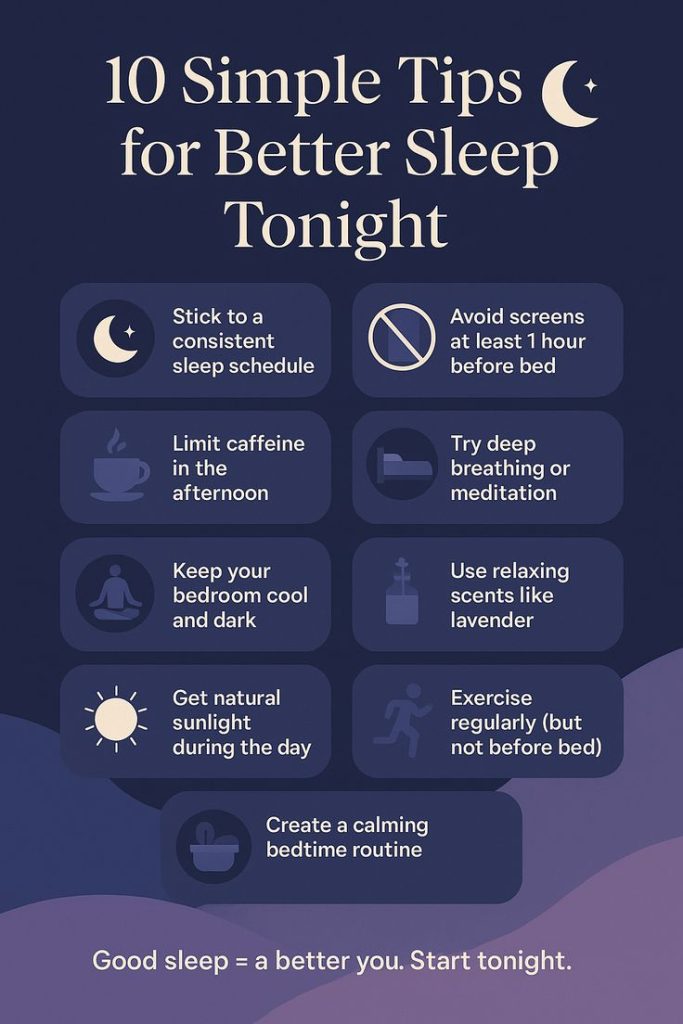
1. Establish a Predictable Wind-Down Window
Your body does not switch from alert to asleep instantly. It needs transition time.
A wind-down window is a 60–90 minute period before bed where stimulation decreases intentionally. This might mean dimming lights, lowering volume, and stopping demanding tasks.
When this window becomes consistent, your brain begins associating it with rest. Over time, this predictable rhythm supports smoother transitions into sleep.
The key is not complexity. Even two repeated calming actions nightly are enough to build familiarity.
2. Reduce Digital Stimulation Gradually
It is not just screen brightness that affects rest — it is stimulation. Social media, fast-paced videos, intense news, or competitive games activate alertness.
Instead of abruptly stopping screens, reduce intensity:
- Switch to calmer content
- Lower brightness
- Avoid emotional or work-related material
Many people notice that mental restlessness decreases when evening content becomes lighter. I have seen this work for many people when followed consistently.
3. Keep Evenings Emotionally Light
Heavy conversations, problem-solving discussions, or financial planning right before bed often carry emotional weight.
Even if resolved, the brain may continue processing them during the night.
Moving serious discussions earlier in the day can create emotional separation between stress and sleep. Even 2–3 hours of buffer time supports relaxation.
4. Create a Repeating Bedtime Ritual
Rituals signal safety and predictability.
This does not need to be elaborate. A simple pattern like:
- Warm shower
- Light stretching
- Reading 5–10 pages
When repeated nightly, these actions become cues. The brain begins to associate them with “sleep is next.”
Repetition builds psychological comfort, which supports natural rest.
5. Optimize Your Sleep Environment
Environment influences relaxation more than many realize.
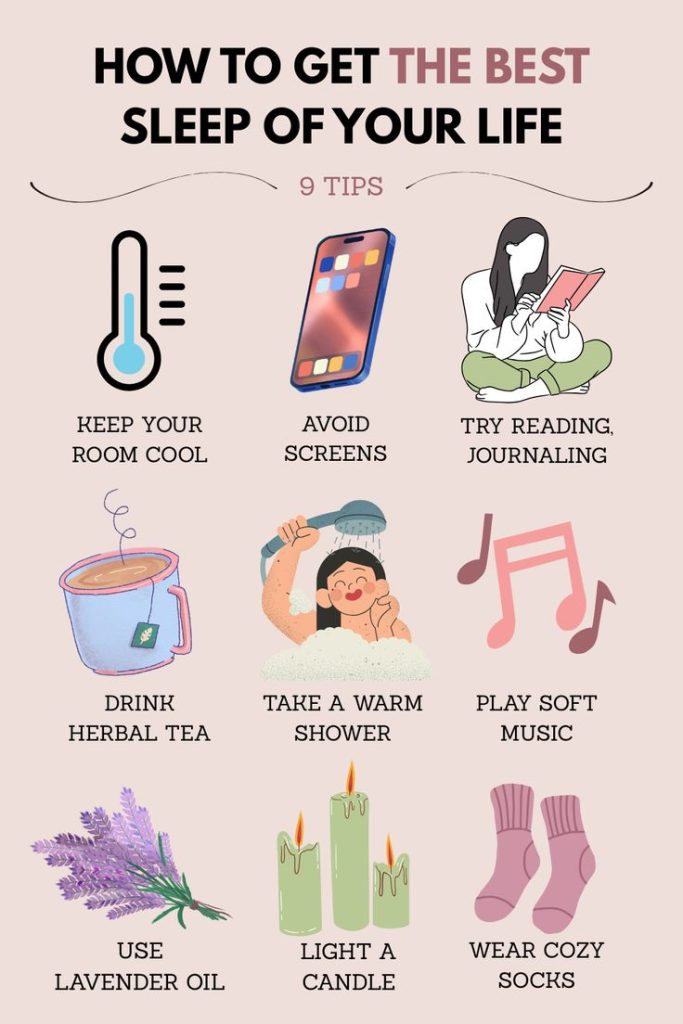
A slightly cool room often feels more comfortable for rest. Soft lighting encourages calmness. Reducing clutter can lower subconscious stimulation.
Even scent plays a role — some people find calming fragrances helpful.
The goal is to make your bedroom feel different from your daytime spaces. That contrast strengthens the mental boundary between activity and rest.
6. Be Mindful of Late-Night Eating
Heavy meals close to bedtime may create discomfort or restlessness.
Finishing dinner 2–3 hours before bed gives your body time to settle. If you need a light snack, choose something small and simple.
Balanced timing often supports smoother rest transitions.
7. Introduce Gentle Physical Release
During the day, tension accumulates in the shoulders, neck, and lower back.
Five minutes of slow stretching or breathing exercises helps release that tension.
Try:
- Slow neck rolls
- Shoulder stretches
- Deep breathing (inhale 4, exhale 6)
Gentle movement signals that the day is ending physically, not just mentally.
8. Keep Caffeine Awareness in Mind
Caffeine does not affect everyone equally. However, consuming it late in the afternoon may still influence nighttime rest.
If sleep feels lighter, consider adjusting timing rather than eliminating it entirely.
Small adjustments often support improvement.
9. Clear Tomorrow from Your Mind
Overthinking tomorrow’s responsibilities is common at bedtime.
Writing down 3 tasks for the next day creates mental closure. It shifts planning from your mind onto paper.
This small act often reduces nighttime rumination.
10. Protect a Consistent Sleep Schedule
The body responds strongly to patterns.
Going to bed and waking up at similar times strengthens your natural rhythm. Even on weekends, try to stay within a reasonable range.
Consistency supports stability more than occasional “perfect” nights.
Reality Check
- Results vary from person to person
- Small changes matter more than dramatic ones
- Consistency supports long-term wellness
Improving sleep is not about instant transformation. It is about building a rhythm that your body learns to trust.
Quick Reference Checklist
| Habit | How Often | Beginner-Friendly |
| Wind-down window | Daily | Yes |
| Reduce screens | Daily | Yes |
| Gentle stretching | 3–5x/week | Yes |
| Stable sleep time | Daily | Yes |
| Light dinner timing | Daily | Yes |
What Results Can You Expect Over Time?
When practiced consistently, these habits may help:
- Calmer evenings
- Reduced bedtime restlessness
- Easier sleep transitions
- More refreshed mornings
They can support natural rhythm alignment without drastic interventions.
Also read : How to Manage Chronic Health Conditions Naturally and Safely
How to Build a Daily Wellness Routine That Actually Sticks
How to Improve Senior Wellness Naturally : 7 Simple Daily Habits
6 Simple Daily Habits to Strengthen Family Wellness
How to Reduce Stress Naturally in Just 10 Minutes (Simple Daily Techniques)
How to Boost Women’s Energy Levels Naturally:5 Daily Habits
How to Build a Healthy Daily Routine : 7 Simple Steps for Better Wellness
10 Simple Daily Wellness Habits to Improve Your Overall Health Naturally
9 Simple Lifestyle Habits to Improve Daily Wellness Naturally
8 Proven Ways to Build Fitness Consistency Without Burning Out
Morning vs Evening Routines: Which Is Better for a Healthy Lifestyle?
7 Morning Habits That Boost Mental Wellness and Reduce Daily Stress Naturally
Calm Your Mind Naturally: 7 Natural Ways Just 10 Minutes a Day
Frequently Asked Questions
Q1: How long does it take to improve sleep quality naturally?
A: Changes are gradual. Some people notice improvements within weeks when habits remain consistent.
Q2: Can evening habits really improve sleep quality naturally?
A: Yes, building structured evening patterns supports the body’s natural sleep rhythm over time.
Q3: Is medication necessary for better sleep?
A: Many people first explore natural sleep habits and bedtime routine adjustments before considering other options.
FINAL TAKEAWAY
Improving sleep does not require extreme changes. It begins with predictable evenings, gentle wind-down practices, and small consistent habits. When your body learns that nighttime means calmness, sleep often becomes smoother.
Progress matters more than perfection.
SMALL STEPS MATTER
Start with just one habit tonight. Build slowly. Bookmark this guide and revisit it as you refine your evening routine.