

Which of these habits feels easiest for you to start today? Hormones influence nearly every function in a woman’s body — from mood and metabolism to sleep, fertility, skin health, and long-term disease risk. When hormones are balanced, you feel steady, energized, and emotionally resilient. When they’re not, even simple daily tasks can feel overwhelming.
Women’s hormones naturally fluctuate through puberty, menstrual cycles, pregnancy, perimenopause, and menopause. However, chronic stress, poor sleep, processed foods, environmental toxins, and sedentary living can disrupt this delicate system long before major life transitions begin.
The good news? You don’t need extreme detoxes, restrictive diets, or expensive supplements to restore balance. Sustainable lifestyle changes — practiced consistently — create profound hormonal stability over time.
Here are eight natural lifestyle shifts that support women’s hormonal balance at every stage of life.
This article is regularly updated to reflect current wellness practices in 2026.
Who This Guide Is For
People looking for simple daily wellness habits
Beginners who want sustainable routines
Adults 60+ who want to maintain independence
Who Should Be Careful
Those with specific medical conditions should seek personal guidance before making lifestyle changes.
Why Aging Feels Harder After 60
As we age, muscle mass naturally decreases, joints may feel less flexible, sleep patterns shift, and metabolism slows down. Many people struggle because they either try to do too much too quickly — or stop moving altogether.
What usually goes wrong?
- Inconsistent routines
- Ignoring strength training
- Poor sleep habits
- Social isolation
- Skipping balanced meals
The good news? Daily consistency matters more than intensity.
Healthy Aging After 60 – What Actually Helps
1. Prioritize Deep, Restorative Sleep
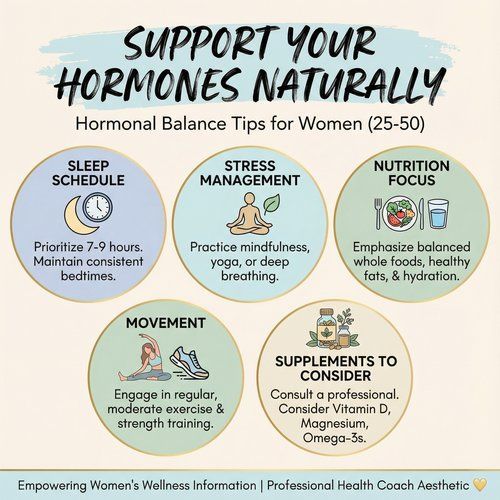
Sleep is the foundation of hormonal health. During deep sleep, your body regulates cortisol (stress hormone), insulin (blood sugar control), leptin and ghrelin (hunger hormones), growth hormone (repair and metabolism), and reproductive hormones like estrogen and progesterone.
Even mild sleep deprivation increases cortisol and insulin resistance, which can contribute to weight gain, mood swings, irregular cycles, and fatigue.
How to support hormone-friendly sleep:
- Maintain a consistent sleep and wake time (even on weekends).
- Stop screens 60–90 minutes before bed.
- Keep your bedroom cool and dark.
- Avoid caffeine after early afternoon.
- Practice calming rituals like reading, light stretching, or breathing exercises.
When sleep improves, cravings reduce, moods stabilize, and cycles often become more regular.
2. Stabilize Blood Sugar Through Balanced Nutrition
Blood sugar instability is one of the most overlooked causes of hormonal imbalance. Frequent spikes from refined carbohydrates increase insulin levels. Chronically elevated insulin can disrupt ovulation, worsen PMS, trigger acne, and contribute to conditions like PCOS.
Balanced meals help maintain steady energy and protect reproductive hormones.
Build hormone-supportive meals:
- Include protein at every meal (eggs, lentils, tofu, fish, yogurt).
- Add healthy fats (nuts, seeds, olive oil, avocado).
- Focus on fiber-rich vegetables and whole grains.
- Avoid long fasting windows if you feel fatigued or stressed.
- Reduce refined sugar and ultra-processed foods.
Stable blood sugar equals stable energy, clearer thinking, and better hormonal signaling.
3. Manage Stress to Lower Cortisol Overload
Chronic stress is one of the most powerful disruptors of female hormones. When cortisol stays elevated, the body prioritizes survival over reproduction. This can delay ovulation, reduce progesterone, and worsen PMS, anxiety, and sleep issues.
Stress doesn’t need to disappear — it needs regulation.
Natural stress regulators:
- Daily 10–20 minute walks outdoors.
- Deep diaphragmatic breathing.
- Journaling emotional stress.
- Gentle yoga or stretching.
- Meaningful social connection.
Consistency matters more than intensity. Even short daily stress-relief practices significantly reduce hormonal strain over time.
4. Engage in Strength and Resistance Training
Muscle tissue is metabolically active and plays a crucial role in insulin sensitivity and estrogen balance. Women often avoid strength training due to fear of “bulking,” but it’s one of the most powerful tools for hormonal health.
Strength training:
- Improves insulin regulation.
- Supports bone density.
- Reduces menopausal weight gain.
- Enhances mood through endorphin release.
- Balances cortisol when done moderately.
Two to three sessions per week of resistance training — using bodyweight, bands, or weights — can dramatically improve metabolic and hormonal health.
5. Support Gut Health for Estrogen Balance
The gut microbiome helps metabolize and eliminate excess estrogen. When gut health is compromised, estrogen can recirculate, contributing to bloating, heavy periods, mood swings, and estrogen dominance.
Improve gut health naturally:
- Eat fermented foods (yogurt, kefir, kimchi, sauerkraut).
- Increase fiber gradually.
- Stay hydrated.
- Limit artificial sweeteners.
- Avoid unnecessary antibiotic use.
A healthy gut supports smoother cycles and reduces inflammatory symptoms.
6. Reduce Environmental Toxin Exposure
Everyday products — plastics, cosmetics, cleaning supplies — may contain endocrine disruptors that mimic estrogen in the body. While complete avoidance isn’t realistic, small changes reduce cumulative exposure.
Practical swaps:
- Use glass or stainless steel instead of plastic for hot foods.
- Choose fragrance-free skincare.
- Avoid microwaving food in plastic containers.
- Wash fruits and vegetables thoroughly.
- Ventilate living spaces regularly.
Lower toxin exposure reduces the hormonal burden on the liver and endocrine system.
7. Spend Time in Natural Light Daily
Sunlight regulates circadian rhythm and supports vitamin D production — both essential for hormonal balance. Vitamin D plays a role in fertility, immune function, and mood regulation.
Morning sunlight exposure helps synchronize cortisol and melatonin rhythms, improving both energy and sleep quality.
Aim for:
- 10–20 minutes of morning sunlight.
- Outdoor walks whenever possible.
- Natural daylight exposure during work hours.
Even brief daily light exposure can shift hormonal patterns positively.
8. Nurture Emotional and Social Well-Being
Emotional suppression and chronic loneliness elevate stress hormones. Supportive relationships and emotional expression regulate the nervous system and improve hormonal communication.
Research consistently shows that strong social connections reduce inflammation and improve long-term health outcomes in women.
Ways to nurture emotional health:
- Schedule regular conversations with trusted friends.
- Express feelings instead of suppressing them.
- Practice gratitude journaling.
- Seek professional guidance if stress feels overwhelming.
Hormonal balance is not just physical — it is deeply emotional.
Hormonal Health Across Life Stages
Women’s hormonal needs shift over time:
- In your 20s and 30s: Focus on cycle regularity, stress reduction, and blood sugar stability.
- In your 40s (perimenopause): Prioritize strength training, sleep, and stress management.
- Post-menopause: Support bone health, muscle mass, cardiovascular health, and emotional stability.
The fundamentals remain the same — nourishment, movement, sleep, and stress regulation — but consistency becomes increasingly important with age.
Signs Your Hormones May Be Out of Balance
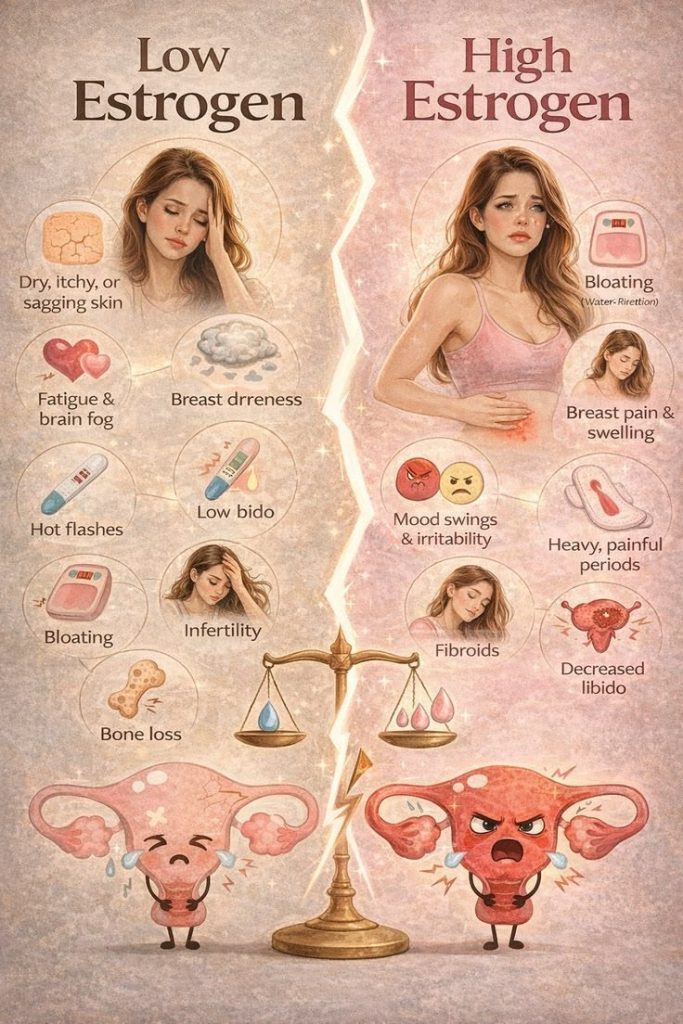
While occasional symptoms are normal, persistent patterns may signal imbalance:
- Irregular or painful periods
- Severe PMS
- Persistent fatigue
- Weight gain despite healthy habits
- Mood swings or anxiety
- Sleep disturbances
- Hair thinning or skin changes
Lifestyle adjustments often reduce these symptoms significantly within a few months.
Reality Check
Results vary from person to person.
Small steps matter more than dramatic changes.
Consistency supports long-term wellness.
There is no perfect plan — only steady progress.
Quick Reference Table / Checklist
| Habit | How Often | Beginner-Friendly |
| Consistent Sleep | Daily | Yes |
| Balanced Meals | Daily | Yes |
| Stress Management | Daily | Yes |
| Strength Training | 2–3x week | Yes |
| Gut Support Foods | Daily | Yes |
| Reduce Toxins | Ongoing | Yes |
| Natural Light Exposure | Daily | Yes |
| Emotional Care | Weekly | Yes |
What Results Can You Expect Over Time?
These habits may help:
- Support steadier energy
- Encourage improved mood balance
- Reduce common cycle discomfort
- Improve sleep quality
- Support metabolic stability
Women’s hormonal balance often improves gradually through consistency rather than rapid change.
Final Takeaway
Hormones are not the enemy. They are messengers responding to daily signals.
Women’s hormonal balance improves when lifestyle choices align with natural rhythms.
You don’t need perfection — you need consistency.
Choose one habit. Begin today. Build from there.
Small Steps Matter
Start with the habit that feels easiest.
Save this article for reference.
Explore related wellness guides to build a sustainable routine.
Also read : How to Manage Chronic Health Conditions Naturally and Safely
How to Build a Daily Wellness Routine That Actually Sticks
How to Improve Senior Wellness Naturally : 7 Simple Daily Habits
6 Simple Daily Habits to Strengthen Family Wellness
How to Reduce Stress Naturally in Just 10 Minutes (Simple Daily Techniques)
How to Boost Women’s Energy Levels Naturally:5 Daily Habits
How to Build a Healthy Daily Routine : 7 Simple Steps for Better Wellness
10 Simple Daily Wellness Habits to Improve Your Overall Health Naturally
9 Simple Lifestyle Habits to Improve Daily Wellness Naturally
8 Proven Ways to Build Fitness Consistency Without Burning Out
Morning vs Evening Routines: Which Is Better for a Healthy Lifestyle?
Frequently Asked Questions
Q1: How long does it take to improve women’s hormonal balance?
A: Changes vary. Many women notice gradual improvements when daily habits supporting women’s hormonal balance are practiced consistently.
Q2: Do I need supplements for hormone balance?
A: Lifestyle foundations like sleep, stress management, and nutrition often come first before considering supplements.
Q3: Can stress alone disrupt hormones?
A: Ongoing stress may influence cortisol levels, which can affect other hormone systems