
Which of these symptoms feels most familiar to you right now? Common Symptoms of Hormonal Imbalance in women : Many women quietly ignore changes in their body, assuming fatigue, mood swings, or irregular periods are just part of a busy life. Between managing family, work, anddaily responsibilities, it’s easy to overlook early warning signs. However, these changes may be subtle signals of hormonal imbalance in women, a condition influenced by stress, lifestyle, sleep, and nutrition. Understanding these signs early can help you respond with awareness instead of panic. This guide is designed for women who want clarity—not fear—about what their body is communicating. From my experience, recognizing patterns early makes lifestyle adjustments feel less overwhelming and more sustainable.
Who This Guide Is For
- Women noticing changes in energy, mood, or cycles
- Beginners looking for simple body-awareness habits
- Anyone interested in long-term women’s wellness
Who Should Be Careful
- Those with diagnosed medical conditions should seek personal medical guidance
Why Hormonal Imbalance Is So Common Today
Modern life places constant demands on women’s bodies. Irregular sleep, emotional stress, inconsistent meals, and reduced physical activity disrupt the natural rhythm hormones rely on. Many symptoms develop slowly, making them easy to dismiss. What often goes wrong is ignoring early signs until they become disruptive. Hormones work together like a system—when one is affected, others follow. Awareness is the first step toward balance.
Hormonal Imbalance in Women – What Actually Helps You Notice Early
Hormonal imbalance rarely appears suddenly. For most women, it develops quietly through small changes that feel easy to ignore at first. Because hormones control many internal systems, the body often gives early signals long before anything feels “serious.” Learning how to notice these signs early helps women respond with awareness rather than fear.
Below are the most common early signs and how they usually show up in real daily life.
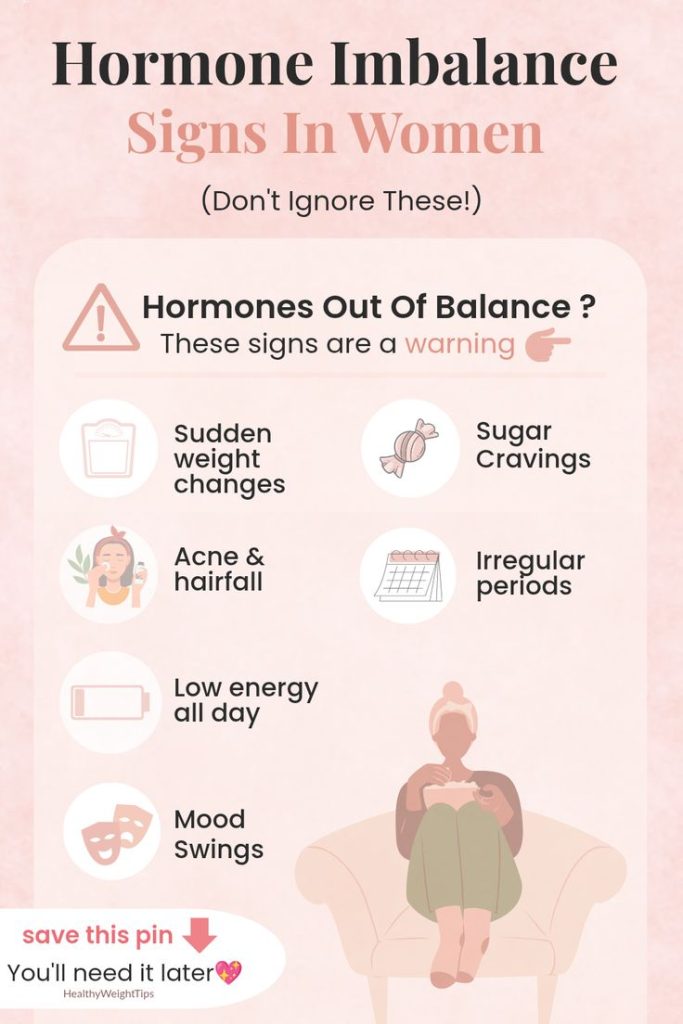
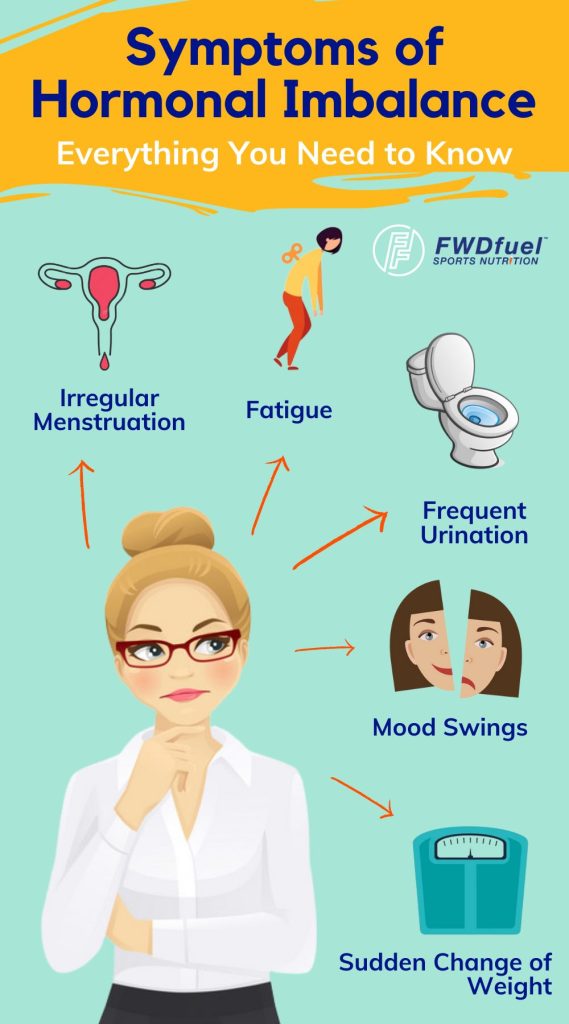
1️⃣ Irregular Menstrual Cycles
What it is:
An irregular menstrual cycle means your periods no longer follow their usual rhythm. This could show up as cycles that come earlier or later than expected, skipped months, unusually heavy bleeding, very light flow, or periods that suddenly change in duration. For many women, this shift happens gradually rather than all at once.
How to notice it:
The easiest way to notice irregular cycles is by tracking them over several months. Instead of focusing on one unusual month, look for repeated changes—such as cycles getting shorter, longer, or less predictable than before. Even small deviations from your normal pattern can be meaningful when they persist.
Where it fits into daily life:
Using a simple calendar, notebook, or mobile app makes tracking effortless. Just noting the start date, flow intensity, and duration can reveal patterns without adding stress.
Why it helps:
The menstrual cycle reflects how estrogen and progesterone interact in the body. When this balance shifts, cycles are often the first place it becomes visible. Early awareness allows women to understand their body’s rhythm better rather than dismissing changes as random.
2️⃣ Persistent Fatigue or Low Energy
What it is:
This type of fatigue feels deeper than normal tiredness. Even after a full night’s sleep, energy levels remain low, and simple tasks may feel more exhausting than they used to. Many women describe it as feeling “drained” rather than sleepy.
How to notice it:
Pay attention to how your energy feels throughout the day. If mornings feel sluggish, afternoons bring crashes, or evenings feel overwhelming despite rest, this may indicate a pattern rather than temporary exhaustion.
Where it fits into daily life:
A simple habit of noting energy levels in the morning, afternoon, and evening can reveal trends. No detailed journaling is needed—just quick observations over a week or two.
Why it helps:
Hormones such as cortisol and thyroid hormones play a major role in regulating energy. When they fluctuate, the body may struggle to maintain steady energy levels, even when sleep and nutrition seem adequate.
3️⃣ Mood Swings or Emotional Sensitivity
What it is:
Mood swings related to hormonal imbalance often feel sudden or unfamiliar. Emotions like irritability, anxiety, sadness, or emotional sensitivity may appear without obvious external reasons and can feel out of proportion to situations.
How to notice it:
Notice emotional shifts that feel different from your usual temperament—especially if they repeat around certain times of the month. Feeling emotionally reactive without clear triggers is often an early signal.
Where it fits into daily life:
Short mood check-ins, journaling a few words, or mindful pauses help identify emotional patterns without judgment.
Why it helps:
Estrogen and progesterone influence neurotransmitters that regulate mood. When these hormones fluctuate, emotional balance can be affected even if life circumstances haven’t changed.
4️⃣ Unexplained Weight Changes
What it is:
Hormonal-related weight changes often appear as gradual gain or loss without major changes in eating or activity. Many women notice weight accumulating around the abdomen, which can feel frustrating and confusing.
How to notice it:
Instead of daily weighing, track weekly or monthly trends. Look for consistent changes rather than single fluctuations, which are normal.
Where it fits into daily life:
Observing how clothes fit or how your body feels can be just as useful as numbers. Long-term patterns matter more than short-term shifts.
Why it helps:
Hormones such as insulin and cortisol affect how the body stores fat and uses energy. When these hormones are out of balance, metabolism may respond differently even without lifestyle changes.
5️⃣ Sleep Disturbances
What it is:
Sleep disturbances include trouble falling asleep, waking frequently at night, or waking up feeling unrefreshed despite enough hours in bed. Many women also report lighter, less restorative sleep.
How to notice it:
Notice repeated restless nights, frequent waking at the same time, or feeling tired soon after waking. Patterns over time are more important than occasional poor sleep.
Where it fits into daily life:
Creating a consistent bedtime routine helps you observe whether sleep improves or remains disrupted.
Why it helps:
Hormones such as melatonin and progesterone support healthy sleep cycles. When these hormones fluctuate, sleep quality often changes before other symptoms appear.
6️⃣ Skin, Hair, or Hair Growth Changes
What it is:
Hormonal imbalance may cause acne in adulthood, thinning hair on the scalp, or increased hair growth on the face or body. These changes often appear gradually and persist longer than usual.
How to notice it:
Observe skin and hair changes over weeks rather than reacting to isolated breakouts or shedding. Consistent changes are more significant than temporary ones.
Where it fits into daily life:
Gentle self-care routines combined with observation help track changes without stress or over-treatment.
Why it helps:
Androgen and estrogen balance directly affects skin oil production and hair growth cycles. Changes in these hormones often show externally before internal symptoms become noticeable.
7️⃣ Reduced Libido or Intimacy Changes
What it is:
This includes reduced sexual desire, discomfort, or changes in emotional connection during intimacy. These shifts can feel subtle and are often overlooked or attributed to stress alone.
How to notice it:
Compare current feelings toward intimacy with your usual baseline rather than societal expectations. Consistent changes matter more than occasional fluctuations.
Where it fits into daily life:
Observing alongside mood, energy, and sleep helps create a complete picture rather than isolating the symptom.
Why it helps:
Hormones such as estrogen, progesterone, and testosterone influence sexual health and comfort. When they shift, libido and intimacy often change as well.
Closing Insight
Hormonal imbalance is not about one symptom—it’s about patterns. When several small changes appear together over time, the body is often asking for attention, balance, and care rather than immediate intervention.
Reality Check
- Results vary from person to person
- Small daily awareness matters more than quick fixes
Quick Reference Checklist
| Symptom | How Often | Beginner-Friendly |
| Irregular cycles | Monthly | Yes |
| Fatigue | Daily | Yes |
| Mood changes | Weekly | Yes |
| Weight shifts | Weekly | Yes |
| Sleep issues | Nightly | Yes |
| Skin & hair changes | Monthly | Yes |
| Libido changes | Ongoing | Yes |
What Results Can You Expect Over Time?
- Better awareness of body signals
- Improved daily balance
- More informed wellness choices
- Reduced confusion around symptoms
These steps may help women feel more connected to their body’s natural rhythm.
Final Takeaway
Your body communicates constantly—it whispers before it shouts. Hormonal changes don’t appear overnight; they develop gradually. Paying attention early allows calmer, more supportive responses. Focus on awareness, not fear. Progress happens through small, consistent steps, not perfection.
Small Steps Matter
Start by tracking just one symptom this week.
You may also want to read our guide on daily hormone-supportive habits.
Save or bookmark this article for future reference.
Also read : How to Manage Chronic Health Conditions Naturally and Safely
How to Build a Daily Wellness Routine That Actually Sticks
How to Improve Senior Wellness Naturally : 7 Simple Daily Habits
6 Simple Daily Habits to Strengthen Family Wellness
How to Reduce Stress Naturally in Just 10 Minutes (Simple Daily Techniques)
How to Boost Women’s Energy Levels Naturally:5 Daily Habits
How to Build a Healthy Daily Routine : 7 Simple Steps for Better Wellness
10 Simple Daily Wellness Habits to Improve Your Overall Health Naturally
9 Simple Lifestyle Habits to Improve Daily Wellness Naturally
8 Proven Ways to Build Fitness Consistency Without Burning Out
Morning vs Evening Routines: Which Is Better for a Healthy Lifestyle?
7 Morning Habits That Boost Mental Wellness and Reduce Daily Stress Naturally
Frequently Asked Questions About Hormonal Imbalance in Women
Q1: What causes hormonal imbalance in women?
A: Hormonal imbalance can be influenced by multiple factors, including lifestyle habits, stress levels, sleep quality, nutritional patterns, age-related changes, and life stages such as puberty, pregnancy, and menopause. In many cases, it develops gradually rather than suddenly.
Q2: Is hormonal imbalance common in women?
A: Yes, hormonal fluctuations are common throughout a woman’s life. Changes can occur during monthly cycles, after childbirth, or as part of natural aging. Not all fluctuations are harmful, but persistent patterns may deserve attention.
Q3: Can stress alone affect women’s hormones?
A: Ongoing stress can influence hormones such as cortisol, which may indirectly affect other hormones. Over time, unmanaged stress can contribute to changes in energy, sleep, mood, and menstrual patterns.
Q4: Do hormonal imbalances always require medication?
A: Not always. Many women begin by observing symptoms and supporting their bodies through lifestyle awareness. Medical guidance is important when symptoms are severe or persistent, but not every hormonal change requires immediate treatment.
Q5: How long does it take to notice hormonal changes?
A: Hormonal changes often develop slowly. Some women notice patterns over months rather than days. Tracking symptoms over time helps identify meaningful trends rather than reacting to temporary changes.
Q6: Can hormonal imbalance affect mental health?
A: Hormones such as estrogen and progesterone interact with brain chemicals that regulate mood. When hormonal balance shifts, emotional sensitivity, anxiety, or mood changes may appear alongside physical symptoms.
A: Weight changes can have many causes, including lifestyle, stress, and metabolism. Hormonal imbalance is one possible factor, especially when weight changes occur without obvious lifestyle changes.
Q8: Can hormonal imbalance affect sleep quality?
A: Yes. Hormones like melatonin and progesterone help regulate sleep. When their balance changes, sleep disturbances such as difficulty falling asleep or frequent waking may occur.
Q9: Are irregular periods always a sign of hormonal imbalance?
A: Not always. Occasional cycle changes can happen due to stress or lifestyle shifts. However, repeated irregularity over several months may suggest hormonal changes worth observing more closely.
Q10: Can diet influence hormonal balance in women?
A: Eating regular, balanced meals can support overall body regulation. Extreme dieting or irregular eating patterns may affect how hormones function over time.
Q11: Is hormonal imbalance different at different ages?
A: Yes. Hormonal patterns change during puberty, reproductive years, perimenopause, and menopause. Each stage has unique characteristics and common symptoms.
Q12: Can poor sleep worsen hormonal imbalance?
A: Inadequate or irregular sleep can affect hormones related to stress, appetite, and recovery. Over time, this may contribute to broader hormonal imbalance.
Q13: How can women track hormonal symptoms safely?
A: Simple tracking methods—such as noting cycles, energy levels, mood, sleep, and appetite—can help women recognize patterns without stress or over-analysis.
Q14: Are skin and hair changes linked to hormones?
A: Hormones influence oil production, hair growth cycles, and skin renewal. Changes in acne, hair thinning, or unusual hair growth may reflect shifts in hormonal balance.
Q15: When should a woman seek professional advice?
A: If symptoms feel overwhelming, worsen over time, or interfere with daily life, seeking professional guidance is a responsible step. Lifestyle awareness and medical care can work together.
Q16: Can lifestyle changes support hormonal balance naturally?
A: Consistent routines, stress management, balanced nutrition, gentle movement, and quality sleep may support overall hormonal regulation over time.
Q17: Is hormonal imbalance the same for every woman?
A: No. Each woman’s hormonal profile is unique. Symptoms, triggers, and responses vary widely, which is why personalized awareness is important.
Q18: Can hormonal imbalance be temporary?
A: Yes. Some hormonal changes are temporary and resolve as the body adapts to stress, schedule changes, or life transitions.
Q19: Does hormonal imbalance affect fertility?
A: Hormones play a role in reproductive health. Changes in cycles or ovulation patterns may reflect hormonal shifts, but fertility outcomes vary for each individual.
Q20: What is the first step to understanding hormonal imbalance?
A: Awareness. Observing patterns calmly and consistently is often the first step toward understanding how your body communicates change.
Q21: Can exercise help hormonal balance?
A: Gentle, consistent movement can support overall body regulation. Extreme or excessive exercise without recovery may sometimes add stress instead.
Q22: Is hormonal imbalance reversible?
A: Many women experience improvement with supportive routines and professional guidance. Outcomes vary depending on the underlying causes and consistency of care.
Q23: Can hormonal imbalance affect digestion or appetite?
A: Hormones influence digestion, hunger cues, and fullness. Changes in appetite or digestive comfort may sometimes accompany hormonal shifts.
Q24: Should women panic if they notice hormonal symptoms?
A: No. Hormonal changes are common and often manageable. Awareness and calm observation are more helpful than fear.
Q25: How does hormonal imbalance impact daily life?
A: It may influence energy, mood, sleep, focus, and physical comfort. Understanding these effects helps women respond with patience and self-care.
Q26: Is hormonal imbalance common in women?
A: Yes, hormonal imbalance in women is common due to stress, lifestyle changes, and natural life transitions.
Q27: Can lifestyle habits influence hormonal health?
A: Consistent sleep, balanced meals, and stress management can support hormonal balance.
Q28: Should I worry if I notice one symptom?
A: One symptom alone doesn’t mean imbalance, but patterns over time are worth observing.