
Which of these signs feels most familiar to you right now? Signs Your Mental Health Needs Attention : Mental health challenges rarely appear suddenly. They usually begin with small, easy-to-ignore signs that slowly affect how we think, feel, and function each day. Many people continue pushing through life, assuming stress and emotional discomfort are “normal,” until things feel overwhelming.
Understanding the signs your mental health needs attention helps you respond early, before exhaustion or emotional imbalance deepens. This guide is for anyone who wants clarity without fear or labels. From my experience, noticing and responding to early signals is much easier than trying to recover after burnout. Gentle awareness can support better emotional balance over time.
This article is regularly updated to reflect current wellness practices in 2026.
Who This Guide Is For
- People feeling emotionally tired or mentally overwhelmed
- Beginners seeking simple mental wellness awareness
- Anyone wanting early emotional self-care
Who Should Be Careful
- Individuals with diagnosed mental health conditions should seek personalized professional guidance alongside lifestyle support
Why Mental Health Warning Signs Are Often Ignored
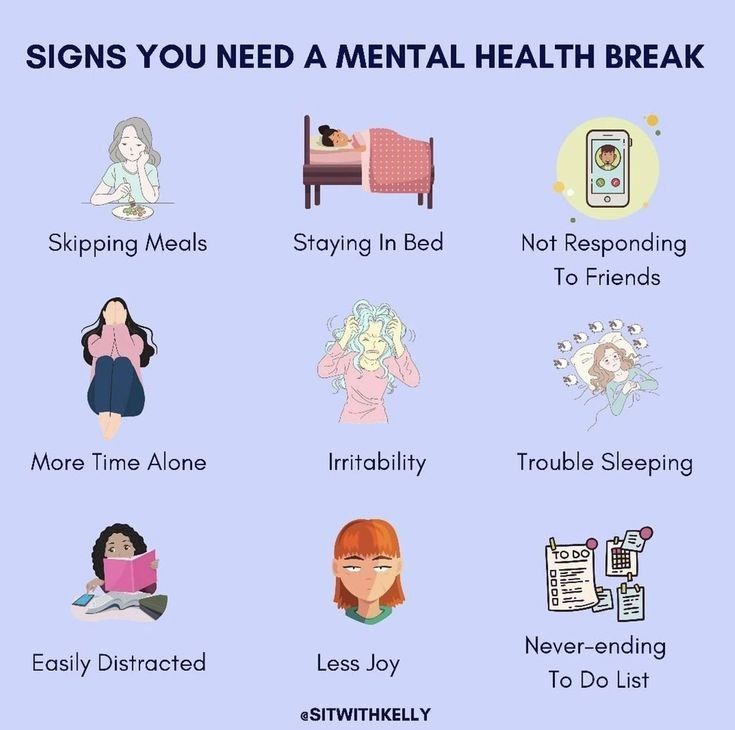
Mental health signs are often ignored because they don’t look serious at first. Fatigue, mood changes, or lack of motivation are commonly blamed on work pressure, family responsibilities, or lack of sleep.
Many people feel they must “stay strong” and push through discomfort. Others believe their struggles are not serious enough to deserve attention. What usually goes wrong is waiting too long, allowing emotional stress to build silently instead of addressing it early with simple supportive actions.
Signs Your Mental Health Needs Attention – What Actually Helps
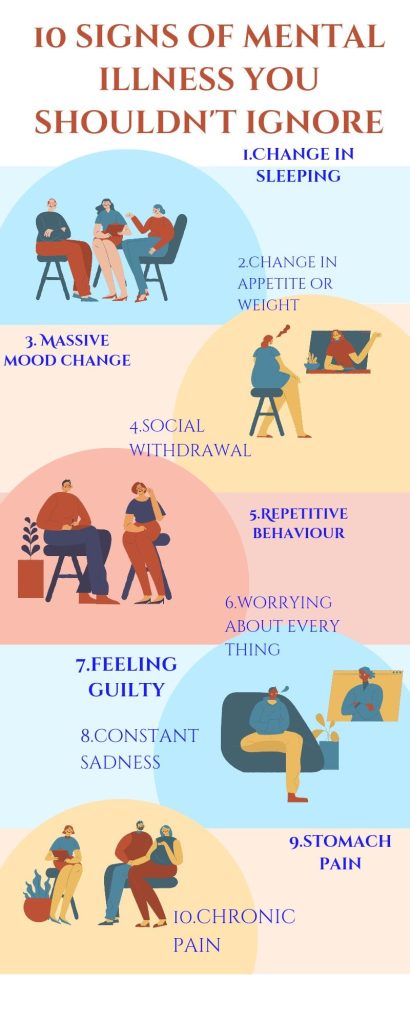
1️⃣ Constant Mental Fatigue
What it looks like:
Feeling mentally drained even after resting or sleeping.
Why it happens:
Ongoing stress, emotional overload, or lack of mental downtime.
What you can do:
- Add short daily pause moments
- Reduce multitasking
- Create small mental breaks
Why it helps:
Mental rest allows emotional recovery and prevents burnout from deepening.
2️⃣ Emotional Overreactions to Small Situations
What it looks like:
Feeling irritated, anxious, or upset over minor issues.
Why it happens:
Emotional reserves are depleted.
What you can do:
- Practice slow breathing during emotional spikes
- Step away briefly before responding
Why it helps:
Emotional regulation supports calmer responses over time.
3️⃣ Loss of Interest in Things You Once Enjoyed
What it looks like:
No motivation for hobbies, conversations, or daily activities.
Why it happens:
Emotional exhaustion reduces enjoyment.
What you can do:
- Start with very small activities
- Avoid forcing excitement
Why it helps:
Gentle re-engagement supports emotional healing.
4️⃣ Difficulty Concentrating or Making Decisions
What it looks like:
Forgetfulness, confusion, or mental fog.
Why it happens:
Mental overload affects clarity.
What you can do:
- Simplify daily tasks
- Write things down
- Reduce mental clutter
Why it helps:
Lower cognitive load supports clearer thinking.
5️⃣ Sleep Changes Without Clear Reason
What it looks like:
Trouble falling asleep, staying asleep, or waking unrefreshed.
Why it happens:
The mind remains overstimulated.
What you can do:
- Maintain a gentle sleep routine
- Reduce screen exposure before bed
Why it helps:
Sleep supports emotional reset and mental recovery.
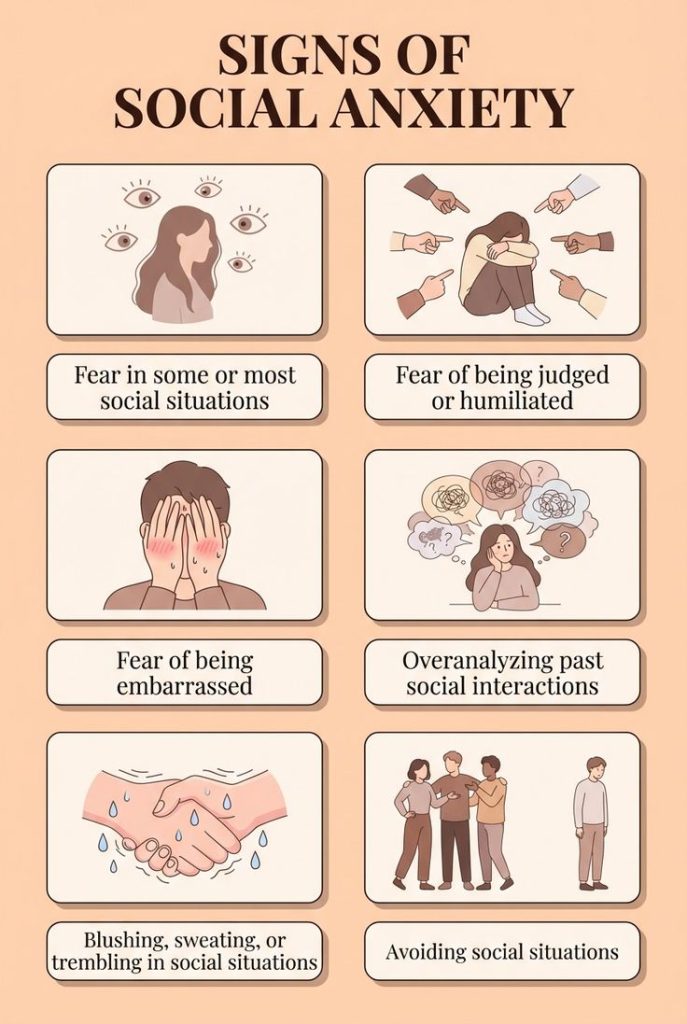
6️⃣ Social Withdrawal or Emotional Isolation
What it looks like:
Avoiding conversations or preferring isolation.
Why it happens:
Emotional overwhelm creates withdrawal.
What you can do:
- Maintain light social contact
- Talk to one trusted person
Why it helps:
Connection supports emotional grounding.
I have seen this work for many people when followed consistently.
7️⃣ Persistent Negative Self-Talk
What it looks like:
Harsh inner criticism or constant self-doubt.
Why it happens:
Emotional stress affects self-perception.
What you can do:
- Practice self-compassion
- Replace harsh thoughts with neutral observations
Why it helps:
Gentle inner dialogue supports emotional balance.
Reality Check
- Mental health experiences differ for everyone
- Awareness is the first step toward support
- Small actions matter more than drastic changes
Quick Reference Table / Checklist
| Sign | What Helps | Beginner-Friendly |
| Mental fatigue | Daily pauses | Yes |
| Emotional reactions | Slow breathing | Yes |
| Loss of interest | Small engagement | Yes |
| Poor focus | Simplify tasks | Yes |
| Sleep issues | Sleep routine | Yes |
| Isolation | Trusted connection | Yes |
| Negative self-talk | Self-compassion | Yes |
What Results Can You Expect Over Time?
Recognizing early signs your mental health needs attention may help improve emotional awareness, can support better daily balance, and often reduces feelings of overwhelm. Progress usually feels gradual and supportive rather than sudden.
Final Takeaway
Mental health care starts with awareness, not labels. Early signs are signals, not failures. By responding gently and consistently, you support emotional balance and long-term wellness. Focus on understanding yourself, not judging yourself.
Small Steps Matter
Start by noticing just one sign today. You may explore related LifeSyncWell guides or bookmark this article for ongoing reference.
Also read : How to Manage Chronic Health Conditions Naturally and Safely
How to Build a Daily Wellness Routine That Actually Sticks
How to Improve Senior Wellness Naturally : 7 Simple Daily Habits
6 Simple Daily Habits to Strengthen Family Wellness
How to Reduce Stress Naturally in Just 10 Minutes (Simple Daily Techniques)
How to Boost Women’s Energy Levels Naturally:5 Daily Habits
How to Build a Healthy Daily Routine : 7 Simple Steps for Better Wellness
10 Simple Daily Wellness Habits to Improve Your Overall Health Naturally
9 Simple Lifestyle Habits to Improve Daily Wellness Naturally
8 Proven Ways to Build Fitness Consistency Without Burning Out
Morning vs Evening Routines: Which Is Better for a Healthy Lifestyle?
7 Morning Habits That Boost Mental Wellness and Reduce Daily Stress Naturally
Frequently Asked Questions
Q1: Are these signs always serious?
A: Not always, but they indicate the need for attention and care.
Q2: Can lifestyle changes really help mental health?
A: Gentle daily habits can support emotional balance over time.
Q3: How do I know if my mental health needs attention?
A: Persistent emotional discomfort and daily interference are common signs your mental health needs attention.