
Introduction
Intermittent fasting is an eating pattern that alternates between periods of eating and periods of not eating. Instead of focusing on what foods to eat, it focuses on when you eat. Far from being a rigid dietary restriction or a passing health fad, this structured approach to meal timing interfaces directly with your body’s natural metabolic machinery. Managing your wellness in a modern, abundance-driven environment requires a realistic appreciation for how your internal biology shifts between processing food and relying on internal reserves.
It has become popular in recent years as people explore different approaches to weight management and lifestyle routines. Rather than acting as a magical cure-all, fasting works by re-establishing a clear boundaries network around your daily consumption habits, preventing the non-stop biological demand of constant grazing. You can read general scientific overviews from trusted sources such as the Cleveland Clinic and Healthline.
During my 6+ years working within clinical public health systems and primary health centres, including NRHM facilities, evaluating nutritional habits and counseling communities on metabolic health was a routine operational reality on the ground. In busy primary care settings, we frequently observed individuals attempting to adopt extreme, aggressive fasting windows to fix deep metabolic fatigue, completely ignoring the fact that their eating windows were filled with highly processed, nutrient-depleted foods.
My public health background taught me that metabolic resilience cannot be built on a foundation of restriction alone. When your underlying nutritional quality, sleep structure, and stress levels are fractured, a fasting schedule acts as an extra stressor rather than a supportive tool. Achieving true, long-term vitality requires creating a stable lifestyle architecture that respects your body’s baseline fuel needs from the ground up.
What Is Intermittent Fasting?
Intermittent fasting (IF) is a structured eating pattern where individuals cycle between specified windows of time. It establishes an intentional rhythm for your digestive system, alternating between two distinct phases:
- Eating periods: The designated timeframe during the day or week where you consume your meals and liquid nutrition.
- Fasting periods: The intentional window where you abstain from caloric intake, allowing your digestive tract to rest.
It does not define specific foods to eat or avoid. Instead, it focuses on timing meals within a daily or weekly schedule. Common approaches include:
- Time-restricted eating: Limiting your daily consumption to a specific window, such as a 12-hour or 16-hour fasting window, leaving the remaining hours for nourishment.
- Alternate-day eating patterns: Alternating regular eating days with days of intensive caloric restriction or complete fasting.
- Scheduled fasting days in a week: Dedicating one or two specific days per week to fasting while eating normally on the remaining days.
How Intermittent Fasting Works (Basic Overview)
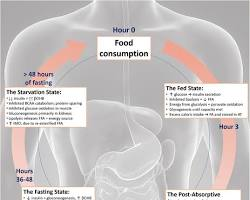
During fasting periods, the body shifts away from using recently consumed food for energy. When you eat, your system breaks down carbohydrates into glucose, raising blood sugar levels and signaling your pancreas to release insulin so your cells can use that glucose for immediate fuel.
Instead, when those external fuel lines are paused, the body begins to use stored energy from earlier meals. As insulin levels naturally drop over hours of non-consumption, your tissues gain access to stored glycogen reserves and fatty acids, burning through backup energy lines to maintain systemic function. This natural process is part of normal human metabolism and has been studied extensively in nutrition science.
📊 The Metabolic Transition Pathway
To understand how your internal energy networks shift away from active digestion and tap into stored biological fuel during a fasting window, review this operational flowchart:
THE METABOLIC FUEL SHIFT
                    [Ingested Food / Active Meal Window]
                                     │
                                     ▼
                      [Glucose Enters the Bloodstream]
                        (Spikes Insulin & Provides Fuel)
                                     │
                                     ▼
                       [Fasting Window Initiated]
                        (External Food Input Stops)
                                     │
                                     ▼
                     [Insulin Drops & Glycogen Depletes]
                                     │
         ┌───────────────────────────┴───────────────────────────┐
         ▼                                                       ▼
 [Adipose Tissue Access]                                 [Cellular Autophagy]
(Fatty Acids Released)                                (Internal Housekeeping)
         │                                                       │
         ▼                                                       ▼
(Converted to Usable Energy)                           (Clears Out Broken Proteins)
         └───────────────────────────┬───────────────────────────┘
                                     │
                                     ▼
                [Systemic Metabolic Resilience & Balance]
Why People Follow Intermittent Fasting
People may choose intermittent fasting for different lifestyle reasons, finding that a structured time window fits cleanly into their busy routines. Common motivators include:
- Simplifying daily eating routines: Reducing the mental energy spent planning, preparing, and cleaning up multiple meals throughout the day.
- Managing calorie intake more easily: Creating a shorter eating window that naturally lowers the opportunity for overconsumption.
- Supporting weight management goals: Helping the body access its stored energy reserves more effectively.
- Creating structured eating schedules: Setting clear, reliable internal boundaries around late-night snacking or stress-induced eating.
However, results vary depending on overall diet quality, lifestyle, and consistency. Fasting can help structure your day, but it cannot override the physiological inputs of a chaotic routine.
Potential Benefits (Based on Research)
Research suggests intermittent fasting may be associated with several positive health markers when executed carefully. These potential outcomes include:
- Weight management support: Helping individuals establish a sustainable caloric balance.
- Improved metabolic markers: Assisting the body in keeping its blood lipid and inflammatory pathways stable.
- Better insulin response in some individuals: Allowing insulin receptors a periodic break from constant stimulation, supporting efficient blood sugar clearance.
- Reduced snacking habits: Breaking the behavioral cycle of mindless, continuous eating between meals.
- Simplified eating patterns: Aligning meal times with predictable lifestyle frameworks.
According to studies reviewed by institutions like Johns Hopkins Medicine, benefits depend heavily on individual lifestyle and food choices. Fasting is simply a tool that reshapes your timing; the true building blocks of your health still depend on the quality of the food you put on your plate.
Possible Challenges and Limitations
Intermittent fasting may not be suitable for everyone, as changing your meal timing places a distinct adaptational demand on your central nervous system. Some people may experience:
- Hunger during fasting periods: Navigating intense physical cravings as the body adjusts to a new routine.
- Low energy in the adjustment phase: Feeling temporarily sluggish or experiencing mild brain fog as your cells adapt to burning backup fuel.
- Difficulty maintaining consistency: Finding that rigid timing rules clash with social commitments, family dinners, or changing work shifts.
- Irritability or fatigue: Experiencing mood fluctuations or sudden energy drops when blood sugar levels settle into a lower baseline.
It is also not recommended for certain groups without medical guidance, such as individuals with specific health conditions or nutritional needs. Forcing your body through fasting windows when it is already managing internal deficiencies can cause unnecessary physical strain.
Who Should Be Careful
Experts generally advise caution and recommend consulting a healthcare professional before making major dietary changes, particularly for vulnerable populations:
- Pregnant or breastfeeding individuals: Who require a continuous, dense stream of nutrients to support fetal development and milk production.
- People with a history of eating disorders: Where rigid timing rules can potentially trigger or reinforce unhealthy behavioral patterns.
- Individuals with certain medical conditions: Such as advanced diabetes or metabolic disorders that require highly stable blood glucose lines.
- Those requiring regular medication schedules with food: Where altering meal times can interfere with how prescription drugs are absorbed and processed by the body.
Professional guidance is recommended before making major dietary changes to ensure your approach supports your health safely.
Understanding Integrated Metabolic Connections
Your nutritional habits do not operate in isolation; they are deeply tied to how your body processes energy, handles stress, and resting architectures. When your eating patterns align with your natural biological needs, your entire system can perform with greater ease.
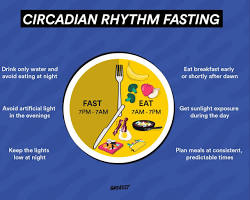
For example, your body’s ability to clear glucose from the blood is heavily tied to your internal clock. Eating massive, heavy meals late at night can conflict with your body’s natural down-regulation phase, leading to sluggish metabolism and disrupted rest.
Similarly, an over-activated stress response directly interferes with your metabolic health. If your body is constantly flooded with cortisol due to work pressure or poor sleep, it signals your system to hold onto fat reserves and spikes intense sugar cravings, completely undermining the potential benefits of your fasting schedule.
Lifestyle Factors That Support Healthy Eating Patterns
Instead of focusing only on timing, research consistently highlights the importance of a well-rounded foundation. True physical vitality relies on a combination of essential habits working together:
- Balanced nutrition: Prioritizing nutrient-dense, whole foods to give your cells the essential building blocks they need.
- Regular physical activity: Keeping your muscles moving to support insulin sensitivity and blood circulation.
- Quality sleep: Allowing your brain and organs to execute essential nightly repair and detoxification cycles.
- Stress management: Utilizing regular relaxation habits to keep survival hormones from disrupting your metabolism.
- Hydration: Drinking plenty of water to assist digestion and maintain cellular communication lines.
These habits form the absolute foundation of long-term health. No timing rule or fasting schedule can replace the value of taking care of your body every single day.
You may also explore related topics:
Common Misunderstandings
Online health forums frequently overcomplicate or misinterpret the science of fasting. Here are some critical, research-backed clarifications to keep your approach grounded:
- “Fasting automatically causes weight loss” $\rightarrow$ Not always true: If you consume an excess of calories during your eating window, your body will still store that extra energy regardless of the hours you fasted.
- “It works the same for everyone” $\rightarrow$ Individual response varies: Differences in age, sex, activity levels, and metabolic health mean that a routine that helps one person might leave another feeling exhausted.
- “It improves health regardless of diet quality” $\rightarrow$ Overall nutrition still matters: Breaking a long fast with ultra-processed foods high in refined sugars still causes inflammation and metabolic strain.
Important Perspective
Intermittent fasting is not a medical treatment or cure for any condition. It is simply one of many possible eating patterns that people may choose based on personal preference and lifestyle.
Long-term health outcomes depend more on overall diet quality, sleep, physical activity, and stress management than any single eating pattern. It is an optional framework that can help you build structure, but your daily choices and consistency are what truly drive health.
Final Thoughts
Intermittent fasting is a structured eating pattern that may help some people manage their lifestyle and eating habits more effectively. It is a tool for building intentional boundaries around your daily nutrition, helping you step away from mindless overconsumption.
However, it is not a one-size-fits-all approach. Sustainable health outcomes are best achieved through balanced habits rather than strict dietary rules. By prioritizing high-quality foods, protecting your rest, and listening to your body’s feedback, you can create a sustainable lifestyle routine that supports your natural vitality for years to come.
Frequently Asked Questions (FAQ)
1. What liquids are generally acceptable to consume during a fasting window?
During a fasting window, you should stick to non-caloric fluids that do not trigger a digestive response. Plain water, sparkling water, unsweetened black coffee, and plain green or herbal teas are acceptable and help maintain hydration without breaking your fast.
2. Can missing breakfast cause permanent harm to my metabolic rate?
No, skipping breakfast as part of a structured time-restricted eating pattern does not inherently damage your metabolism. Your overall caloric balance, nutritional quality, and physical activity throughout the day play a much larger role in your metabolic rate.
3. How does late-night eating impact overnight sleep architecture?
Consuming heavy meals close to bedtime forces your body to prioritize active digestion over deep physical recovery. This keeps your core body temperature elevated and can lead to more fragmented, less restorative sleep cycles.
4. Why is muscle retention a concern during extended fasting periods?
When the body experiences long periods without protein intake, it can eventually look to muscle tissue for essential amino acids if total nutrition is inadequate. To protect your muscle mass, it is vital to consume sufficient protein and engage in regular resistance exercise during your eating windows.
5. How long should someone follow a new fasting pattern before evaluating its effectiveness?
It typically takes two to four weeks for your body to fully adapt to a new meal schedule. Giving your system this adjustment window allows temporary symptoms like hunger pangs or minor fatigue to clear, providing a more accurate reflection of how the pattern fits your lifestyle.
⚠️ Disclaimer
This article is for educational purposes only and does not provide medical advice. Always consult a qualified healthcare professional before making major dietary changes or altering your lifestyle routine.
📚 References
- Mayo Clinic: Overview of Intermittent Fasting and Its Impact on Weight Management.
- Healthline: The Science of Structured Eating Patterns and Metabolic Pathways.
- Johns Hopkins Medicine: Clinical Reviews on Fasting Windows, Insulin Response, and Cellular Adaptations.
- Harvard Health Publishing: Insights into Circadian Biology, Meal Timing, and Foundational Nutritional Quality.