
Introduction
The term “nootropics” is commonly used to describe substances or approaches that are believed to support cognitive functions such as focus, memory, and mental clarity. Far from being a modern shortcut to intellectual genius, the concept of cognitive enhancement sits at the intersection of neurobiology, behavioral science, and foundational health. Managing your mental performance requires a grounded understanding of how your brain processes information and handles daily workloads.
These interventions may include certain natural compounds, prescription medications (in medical contexts), or lifestyle-related strategies that influence brain performance. However, scientific evidence for many nootropic claims varies widely, and results are not consistent across all individuals. Your brain operates as a highly sensitive, interconnected network where attempting to alter one neurotransmitter path can cause unexpected shifts across your broader energy and stress networks. You can read general overviews from trusted sources such as Harvard Health and Mayo Clinic.
During my 6+ years working within clinical public health systems and primary health centres, including NRHM facilities, evaluating cognitive exhaustion and counseling communities on the safe use of wellness products was an everyday operational reality. In busy primary health settings, we frequently observed individuals using expensive over-the-counter memory supplements to fix severe, chronic mental fatigue. They were often trying to overcome the cognitive drag caused by ongoing sleep deficits, poor nutrition, and unmanaged professional stress with a single pill.
What my public health background taught me is that you cannot force an exhausted brain into a state of sharp, vibrant focus using external compounds alone. True mental stamina and cognitive resilience are built from the ground up. You must first ensure your nervous system has a steady foundation of rest, movement, and proper fuel before you ever introduce complex metabolic protocols.
What Are Nootropics?
Nootropics is an umbrella term used to describe substances or interventions that are believed to influence cognitive performance. Because the human mind relies on a wide array of chemical messengers and energy lines to function, this broad concept captures several distinct categories:
These may include:
- Natural compounds: Plant-based substances, botanical extracts, and herbal adaptogens studied for their interactions with cellular pathways.
- Prescription medications: Specialized pharmaceuticals used under strict clinical supervision for specific medical conditions.
- Nutritional components: Essential vitamins, minerals, and amino acids that serve as raw building blocks for brain chemistry.
- Lifestyle factors: Everyday routines like sleep, exercise, and structured learning habits that directly shape your neural wiring.
It is important to note that the term is broad and not strictly defined in medical science. It serves as a general classification for concepts aimed at supporting cognitive function, rather than a single, standardized medical treatment.
How Cognitive Function Works
Human cognitive performance depends on many interacting systems working together seamlessly. Your ability to think clearly, solve problems, and retain facts is the result of thousands of chemical reactions happening across different regions of your brain simultaneously.
Key biological systems driving this performance include:
- Attention regulation: The ability of your prefrontal cortex to filter out background noise and stay locked on your current task.
- Memory formation: The physical restructuring of your synapses to store, organize, and recall new information over time.
- Energy metabolism in the brain: The continuous delivery of glucose and oxygen to fuel your brain cells during intense mental work.
- Sleep quality: The nightly restorative window where your brain clears out metabolic waste and consolidates memories.
- Emotional regulation: The balance of neural pathways that prevents sudden mood shifts from derailing your focus.
- Stress response systems: The hormonal pathways that dictate whether your brain stays calm and analytical or slips into a defensive fight-or-flight mindset.
Because of this complexity, no single substance or method can fully control or define cognitive performance. True mental clarity depends on keeping all of these overlapping systems balanced and running smoothly.
📊 The Cognitive Fuel and Signaling Pathway
To understand how your underlying health habits determine whether your brain has the clean energy and balanced chemistry needed for deep focus, review this operational flowchart:
THE COGNITIVE PROCESSING NETWORK
                     [Daily Professional or Study Demands]
                                       │
         ┌─────────────────────────────┴─────────────────────────────┐
         ▼                                                           ▼
[Depleted System / Fragmented Habits]               [Supported System / Balanced Habits]
 ──► Missing Restorative Sleep Windows               ──► Consistent Sleep Optimization
 ──► Blood Sugar Spikes & Processed Diet             ──► Whole-Food Nutrition & Stable Glucose
 ──► Unmanaged Cortisol & Chronic Stress             ──► Active Stress Resilience Strategies
         │                                                           │
         ▼                                                           ▼
   [COGNITIVE FATIGUE & FOG]                           [STABLE CHANNELS & FOCUS]
(Slow Signal Speeds & Memory Gaps)                  (Clear Recall & High Mental Stamina)
Why People Are Interested in Cognitive Support
In a fast-paced, information-heavy environment, the demand on our processing capacity is higher than ever. People explore cognitive enhancement concepts for a variety of different personal and professional reasons, such as:
- Improving focus during work or study: Trying to maintain concentration when dealing with long, complex projects.
- Managing mental fatigue: Working to avoid the severe mid-afternoon energy slumps that slow down productivity.
- Supporting memory and learning: Looking to absorb, store, and recall fresh information more efficiently when mastering a new skill.
- Coping with high workloads or stress: Attempting to stay clear-headed and analytical when facing demanding deadlines.
However, outcomes depend heavily on individual lifestyle and overall health habits. Attempting to introduce cognitive support concepts to an exhausted, unhydrated system will not produce sustainable mental clarity.
What Research Suggests
Scientific research in this area shows mixed results, requiring a careful and analytical approach to marketing claims. While certain compounds and approaches may show mild effects in specific contexts, the broader scientific landscape is highly nuanced:
- Evidence quality varies: Some concepts are backed by initial lab data or small trials, while others rely primarily on personal anecdotes.
- Results are not consistent: A strategy that helps one person feel slightly more alert might leave another feeling anxious or restless.
- Long-term effects are not fully understood: We currently lack long-term human data tracking the multi-year impact of many synthetic supplement combinations.
Because of these gaps, most health organizations emphasize that lifestyle factors remain the most reliable and verified support for long-term brain health.
Key Risks and Considerations
Because nootropic compounds interact directly with your brain’s delicate chemical messaging systems, it is essential to approach this area of wellness with a cautious, evidence-based mindset. Some important risks and considerations include:
- Individual variation in response: Personal genetics, baseline neurochemistry, and liver metabolism can significantly change how you react to a specific substance.
- Possible side effects: Depending on the ingredient and dosage, some users may experience headaches, digestive discomfort, sleep issues, or jitteriness.
- Interaction with medications: Certain over-the-counter supplements can conflict with prescription drugs, potentially altering how your body absorbs or processes those medications.
- Lack of regulation: The supplement market faces limited pre-market oversight, meaning product purity, exact dosages, and third-party testing vary widely between brands.
- Misleading marketing claims: Wellness products frequently use exaggerated buzzwords that overstate early laboratory findings.
Because of these factors, professional medical guidance is highly recommended before introducing any new supplement or medication to your daily routine.
Safe and Evidence-Based Ways to Support Cognition
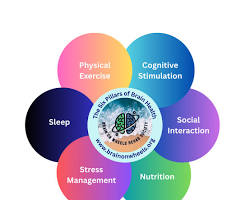
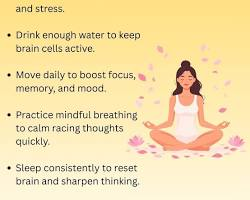
Research consistently shows that foundational everyday habits provide the most reliable and lasting support for brain health. Your nervous system thrives on steady, natural lifestyle signals that keep your internal pathways balanced and running smoothly.
1. Quality Sleep
Sleep is absolutely essential for memory consolidation and mental recovery. Protecting your nightly rest gives your brain the dedicated window it needs to process your daily experiences and clear out metabolic waste.
2. Regular Physical Activity
Exercise supports blood flow and overall brain function. Engaging in regular physical movement helps deliver a fresh supply of oxygen and key nutrients directly across the blood-brain barrier.
3. Balanced Nutrition
A nutrient-rich diet supports energy levels and cognitive stability. Prioritizing whole foods ensures your brain has a steady, reliable stream of glucose and essential micronutrients without the sharp crashes caused by processed sugars.
4. Stress Management
Chronic stress can negatively affect attention spans and memory pathways. Incorporating regular relaxation habits helps keep stress hormones from overwhelming your prefrontal cortex.
5. Continuous Learning
Mental engagement helps maintain cognitive flexibility over time. Challenging your mind with new skills, languages, or complex problems actively encourages your brain to build and strengthen its neural pathways.
You may also explore related topics:
Common Misunderstandings
Online wellness forums frequently oversimplify the science behind brain performance. Here are some critical, research-backed clarifications to keep your approach grounded:
- “A single substance can significantly increase intelligence” $\rightarrow$ Not supported by strong evidence: Human intelligence is highly complex and dynamic; it cannot be fundamentally rewritten by a single pill or ingredient.
- “All nootropics are safe because they are natural” $\rightarrow$ Safety depends on substance and dosage: Many potent compounds originate in nature, but their safety always depends on proper processing, clean sourcing, and appropriate usage levels.
- “Cognitive enhancement works the same for everyone” $\rightarrow$ Individual responses vary: Differences in age, lifestyle, and unique brain chemistry mean that a strategy that works well for one person might leave another feeling completely drained.
Final Thoughts
Cognitive performance is influenced by a wide, dynamic combination of biological, environmental, and lifestyle factors. Your focus and mental clarity are not static traits determined by a single input, but rather ongoing reflections of your body’s overall systemic health.
While the idea of “nootropics” is widely discussed in wellness culture, scientific evidence remains mixed, and no single approach guarantees improved mental performance. In the vast majority of cases, foundational health habits provide the most reliable, time-tested support for cognitive function. By protecting your sleep structure, keeping your body moving, and feeding your system a balanced diet, you provide your brain with the stable physical foundation it needs to stay clear, sharp, and resilient for years to come.
Frequently Asked Questions (FAQ)
1. What is the main operational difference between synthetic nootropics and natural adaptogens?
Synthetic options typically target specific neurotransmitter pathways directly to boost temporary alertness. Natural adaptogens, on the other hand, focus on supporting your body’s broader endocrine and adrenal systems, helping your nervous system adapt to physical stress over time.
2. How can a sudden drop in physical hydration impact daily focus?
Your brain cells depend heavily on proper hydration to maintain efficient electrical communication across synapses. Even a minor drop in fluid levels can slow down these signaling channels, leading to immediate brain fog, mild headaches, and a reduced attention span.
3. Why do blood sugar swings directly interfere with short-term memory recall?
Your brain consumes a massive amount of your body’s daily energy supply. When a diet high in processed sugars causes your blood glucose to spike and then crash, your neurons face a sudden fuel shortage that disrupts your brain’s ability to process and store information cleanly.
4. Can background white noise or ambient sounds support a state of deep concentration?
Yes, for many individuals, listening to steady, repetitive background sounds can help block out unpredictable environmental noises. This simple boundary keeps your brain from wasting valuable mental energy reacting to unexpected distractions throughout your workday.
5. Why is a manufacturer’s independent third-party testing seal important for lifestyle supplements?
Because the supplement market does not face rigid pre-market regulatory oversight, product contents can occasionally vary from what is printed on the container. An independent laboratory seal confirms that the product has been verified for purity and is completely free from hidden contaminants or heavy metals.
⚠️ Disclaimer
This article is for educational purposes only and does not provide medical advice. Always consult a qualified healthcare professional before using any supplement, medication, or introducing major changes to your wellness routine.
📚 References
- Harvard Health Publishing: Insights into Cognitive Aging, Lifestyle Medicine, and Attention Pathways.
- Mayo Clinic: Comprehensive Overviews of Mental Performance Factors, Supplement Safety, and Brain Health Habits.
- American Psychological Association (APA): Research on Sustained Focus, Mental Fatigue, and Memory Consolidation.
- National Institutes of Health (NIH): Clinical Reviews on Micronutrient Status, Neurotransmitter Synthesis, and Cognitive Longevity.