

Introduction
Brain fog is a term people use to describe a feeling of mental fatigue, reduced focus, and difficulty concentrating. Far from being an imaginary barrier, that heavy, clouded sensation in your head is a tangible physiological sign that your central nervous system is operating under metabolic strain or insufficient recovery. Navigating a modern, high-demand environment requires a realistic appreciation for how your brain chemistry responds to daily pressure.
It is not a medical condition itself but a general description of cognitive symptoms that can affect daily life, such as thinking speed, memory, and attention. Rather than a permanent structural defect in your neural wiring, brain fog works like a temporary circuit breaker, slowing down your cognitive processing to protect your system from complete burnout. Many people experience brain fog occasionally due to lifestyle factors like stress, sleep, or workload. You can read more about this general concept from trusted sources like the Cleveland Clinic and Healthline.
During my 6+ years working within clinical public health systems and primary health centres, including NRHM facilities, evaluating cognitive exhaustion and reporting subjective mental fatigue was a routine operational reality on the ground. In busy community clinics, we frequently saw individuals attempting to override deep brain fog with massive doses of caffeine or unverified stimulants, completely ignoring the fact that their symptoms were a direct consequence of chronic sleep loss and poor hydration.
My public health background taught me that mental clarity cannot be forced or faked. When your underlying physical habits collapse, your neural pathways lack the clean fuel and resting windows necessary to perform complex processing tasks. Reclaiming your focus requires building a reliable, highly structured routine that systematically addresses the physical foundations of your brain.
What Is Brain Fog?
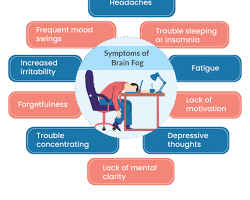
Brain fog refers to a group of symptoms that may include a distinct lag in your day-to-day mental performance. Specifically, it commonly manifests as:
- Difficulty concentrating: Finding yourself completely unable to anchor your attention onto a single task without your mind wandering.
- Mental fatigue: Experiencing a deep, heavy exhaustion that makes basic cognitive problem-solving feel physically draining.
- Forgetfulness: Misplacing simple items, losing your train of thought mid-sentence, or struggling to recall recent conversations.
- Slow thinking: Processing information at a noticeable delay, as if your thoughts are moving through thick mud.
- Reduced clarity in decision-making: Struggling to evaluate options logically, leading to analysis paralysis or mental overwhelm.
It is commonly described as a temporary feeling rather than a permanent condition. It serves as a dynamic indicator of your current physiological state, fluctuating constantly based on how well you treat your body and manage your lifestyle baseline.
📊 The Cognitive Fatigue and Recovery Pipeline
To understand how daily lifestyle inputs directly influence whether your brain pathways remain clouded by metabolic waste or open for high-speed cognitive processing, review this operational flowchart:
THE COGNITIVE SIGNALING AXIS
                       [Daily Lifestyle Inputs]
                                  │
         ┌────────────────────────┴────────────────────────┐
         ▼                                                 ▼
[Poor Sleep, Chronic Stress]                     [Deep Rest, Proper Hydration]
  ──► Spikes Cortisol Levels                       ──► Triggers Glymphatic Cleaning
  ──► Accumulates Brain Waste                      ──► Calms Amygdala Reactivity
  ──► Induces Cellular Fatigue                     ──► Optimizes Neurotransmitters
         │                                                 │
         ▼                                                 ▼
  [SYSTEMIC BRAIN FOG]                            [OPTIMAL MENTAL CLARITY]
(Slow Processing & Memory Lag)                  (Sharp Focus & High Productivity)
Common Causes of Brain Fog
Brain fog can have many possible lifestyle and health-related contributors. According to general medical sources, brain fog is often linked to lifestyle factors rather than a single cause. The most common drivers include:
1. Lack of Sleep
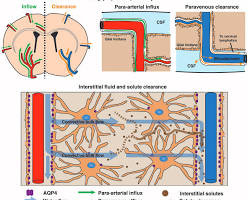
Poor sleep quality or irregular sleep schedules can affect attention and mental performance. While you are asleep, your brain activates a specialized fluid rinse (the glymphatic system) to clear away cellular waste built up during the day. Missing this window forces your brain to operate through metabolic debris the next morning.
2. Stress and Mental Load
Long-term stress or emotional pressure may reduce mental clarity and focus. Chronic stress floods your system with cortisol, shifting your brain out of its logical, executive-thinking zones and into a reactive, survival-driven mindset that kills deep focus.
3. Poor Nutrition
Low intake of essential nutrients can affect energy levels and cognitive function. Diets heavy in refined sugars and ultra-processed foods cause sharp blood sugar spikes and crashes, starving your brain cells of the steady, clean energy lines they need to synthesize neurotransmitters.
4. Dehydration
Not drinking enough water can lead to fatigue and reduced concentration. Even minor drops in fluid levels can compromise your brain’s electrical signaling speeds, resulting in headaches, sluggish memory, and a noticeable drop in cognitive stamina.
5. Sedentary Lifestyle
Lack of physical activity may impact overall energy and alertness. Without regular body movement, your circulation slows down, reducing the immediate delivery of oxygen-rich blood and vital nutrients to your cerebral tissues.
Signs People Commonly Report
Because cognitive fatigue impacts every aspect of your day, people experiencing brain fog may notice a broad drop-off in their performance. The most frequent issues reported include:
- Feeling mentally “slow”: Operating as if your brain’s clock speed has been deliberately throttled down.
- Trouble focusing on tasks: Spending hours staring at a screen without making any real progress.
- Forgetting small details: Missing appointments, overlooking key details in emails, or losing track of your daily keys.
- Difficulty organizing thoughts: Struggling to structure coherent arguments, write clearly, or plan out your workday.
- Reduced productivity: Watching your daily output tank as simple routines take twice as long to finish.
These symptoms can vary from person to person, shifting in intensity depending on your unique biology and current workload.
Understanding Systemic Metabolic Links
Your brain does not function in a vacuum; its performance is entirely dependent on your body’s broader metabolic networks. When your system is forced to handle erratic fuel levels or chronic hormonal disruptions, your cognitive clarity is the very first thing to suffer.
For example, blood sugar management directly dictates how fuel is delivered across the blood-brain barrier. If your system experiences constant insulin swings, your brain cells face sudden energy shortages that manifest instantly as mid-afternoon brain fog.
Similarly, an over-activated stress response constantly drains your physical energy reserves. Keeping your nervous system locked in a permanent survival state forces your body to down-regulate cognitive tasks to save fuel, making focus feel almost impossible.

Lifestyle Habits That May Support Mental Clarity
Research and health guidelines suggest that simple daily habits may help support clearer thinking over time. Your nervous system thrives on steady, reliable lifestyle foundations rather than aggressive, short-term trends.
1. Prioritize Good Sleep
Consistent sleep schedules may help improve mental recovery. Going to bed and waking up at the exact same time every day optimizes your internal biological clocks, ensuring your brain receives the full, deep recovery phases required to refresh its processing centers.
2. Stay Physically Active
Regular movement supports circulation and overall brain function. Engaging in consistent physical exercise spikes blood flow directly to your prefrontal cortex, driving oxygen into your cells and encouraging natural cognitive alertness.
3. Eat Balanced Meals
A diet with whole foods such as fruits, vegetables, and protein supports energy levels. Consuming clean, unrefined foods ensures your brain has a steady, uninterrupted supply of micronutrients and amino acids to maintain stable chemical messaging paths.
4. Manage Stress
Relaxation techniques like breathing exercises or short breaks may help reduce mental overload. Taking intentional 5-minute pauses during the day to practice slow nasal breathing shifts your nervous system out of an alert state, dropping your cortisol and clearing space for logical thought.
5. Stay Hydrated
Water intake is important for maintaining normal cognitive performance. Keeping a water bottle at your desk and sipping from it regularly ensures your brain cells retain proper fluid levels to execute fast, efficient chemical communication.
You may also find these related guides useful:
- 👉 Deep Sleep & Recovery Guide
- 👉 Stress Resilience Basics
- 👉 Cortisol Management Overview
- 👉 Nootropic Stacks Overview
When Brain Fog Becomes Frequent
Occasional brain fog is common and often linked to lifestyle patterns, such as a late night out, a stressful work week, or minor dehydration. In these cases, correcting your basic daily habits is usually enough to lift the cloud and restore focus.
However, if cognitive difficulties are persistent or worsening, it is generally recommended to consult a qualified healthcare professional for evaluation. Long-term, unrelenting cognitive fatigue can sometimes stem from underlying clinical issues that require targeted medical assessment rather than simple lifestyle shifts.
Final Thoughts
Brain fog is a general term used to describe temporary mental fatigue or reduced clarity. It should not be looked at as a personal failure or a permanent loss of capability, but rather as a clear signal from your body that your current routines are pushing your nervous system too hard.
In most cases, it is linked to everyday factors such as sleep, stress, hydration, and nutrition. Supporting basic lifestyle habits is often the most practical approach to improving mental clarity over time. By taking care of your sleep structure, feeding your body whole foods, and giving your mind regular moments to decompress, you provide your brain with the ideal physical environment to stay sharp, clear, and deeply focused.
Frequently Asked Questions (FAQ)
1. Can a single night of poor sleep cause noticeable brain fog the next day?
Yes, skipping an adequate sleep window prevents your brain from completing its vital nightly cleaning cycles. This leaves metabolic waste in your neural paths, causing slow processing, poor short-term memory, and low focus the very next morning.
2. How does dehydration directly slow down my thinking speed?
Your brain is made up of a high percentage of water, relying heavily on proper fluid levels to conduct electrical and chemical signals between cells. When you are dehydrated, this fluid balance shifts, causing your neural communication to slow down and creating a feeling of mental fatigue.
3. Why does eating highly processed foods often lead to a mid-afternoon crash?
Processed foods high in refined sugars cause a rapid spike in blood sugar, forcing your body to release a large wave of insulin to manage it. This leads to a sudden blood sugar crash shortly after, leaving your brain cells temporarily short on fuel and inducing intense brain fog.
4. Can taking short breaks during work actually improve my long-term concentration?
Yes, your brain cannot maintain peak focus indefinitely. Taking brief, structured breaks gives your executive processing centers a chance to rest, preventing mental fatigue from building up and allowing you to return to your tasks with greater clarity.
While simple changes like drinking water or taking a quick walk can offer immediate relief, clearing long-standing, lifestyle-driven brain fog typically takes one to two weeks of consistent sleep, quality nutrition, and active stress management.
⚠️ Disclaimer
This article is for educational purposes only and does not provide medical advice. If you experience persistent symptoms, always consult a qualified healthcare professional.
📚 References
- Cleveland Clinic: Overview of Brain Fog, Cognitive Fatigue, and Common Lifestyle Triggers.
- Healthline: Understanding Mental Clarity, Processing Speed, and Nutritional Influences.
- Harvard Health Publishing: The Impact of Sleep Quality and Stress on Cognitive Function.
- National Health Service (NHS): General Guidance on Fatigue, Hydration, and Maintaining Brain Health.