

Introduction
Gut health refers to the overall functioning of your digestive system, especially the balance of microorganisms living in your intestines. Far from being a simple processing tube for food, your gastrointestinal tract serves as a dynamic biological command center. The way your body breaks down nutrients, manages immune defense, and communicates across metabolic pathways is heavily dictated by the ongoing ecosystem thriving inside your digestive tract.
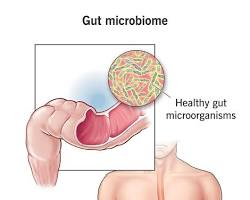
These microorganisms are known as the gut microbiome, and they play an important role in digestion, nutrient absorption, and overall wellness. In recent years, research has shown that gut health is connected to many aspects of health, including immunity and metabolism. It is a highly integrated network where physical tissues and trillions of microscopic organisms work together to support your daily vitality. You can read more about the gut microbiome from trusted sources like Cleveland Clinic and Healthline.
During my 6+ years working within clinical public health systems and primary health centres, including NRHM facilities, evaluating gastrointestinal issues and their broader effects on community wellness was a core operational responsibility. In these localized health centers, we routinely observed that when a patient’s daily lifestyle structures disintegrated—typically through diets low in fiber, chronic sleep deprivation, or unmanaged environmental stress—their physical digestive systems suffered a profound breakdown.
My public health background taught me that digestive wellness cannot be sustained through quick-fix shortcuts or short-term trends. When your underlying microbial environment is chronically disrupted by poor habits, the entire metabolic and immune framework becomes highly vulnerable. Achieving authentic long-term health requires building a reliable, highly structured lifestyle routine that naturally protects and feeds your digestive baseline from the ground up.
What Is Gut Health?
Gut health refers to how well your gastrointestinal (GI) tract is functioning. Your GI tract is a long, continuous pathway lined with specialized tissues engineered to process inputs and protect your internal environment. This includes:
- Stomach: Utilizing highly acidic gastric environments to break down foods and neutralize ingested pathogens.
- Small Intestine: The primary site where vital micronutrients, amino acids, and fatty acids are actively absorbed into your bloodstream.
- Large Intestine: The foundational housing unit for your microbial ecosystem, responsible for water extraction and waste management.
A healthy gut means that digestion, absorption of nutrients, and waste elimination are working normally. Inside the gut lives a complex community of microbes that help support these functions. When this system operates without disruption, it forms a secure biological barrier, ensuring that valuable fuel enters your bloodstream while waste products and harmful compounds are safely escorted out of the body.
What Is the Gut Microbiome?
The gut microbiome is the collection of trillions of microorganisms living in your digestive system. It functions much like a highly specialized chemical factory, producing vital compounds, vitamins, and signaling molecules that your human cells cannot generate on their own.
These microscopic residents include:
- Bacteria: The most heavily researched inhabitants, responsible for fermenting food and training your immune cells.
- Viruses: Microscopic entities that help regulate bacterial populations and maintain microbial balance.
- Fungi: Natural organisms that interact closely with bacteria to protect mucosal linings.
- Other microscopic organisms: Various single-celled life forms that contribute to the ongoing biological ecosystem.
Each person has a unique microbiome shaped by diet, environment, and lifestyle. From the climate you live in to the foods you choose to eat every day, your microbiome adapts continuously to your personal environment. According to research, a diverse gut microbiome is generally associated with better digestive and overall health. A highly varied microbial population means your system has a wider range of biological tools to manage stress, process complex foods, and maintain homeostasis.
📊 The Digestive and Microbial Absorption Pathway
To understand how your gastrointestinal tract processes food, feeds your microbiome, and manages systemic nutrient delivery, review this operational flowchart:
THE GASTROINTESTINAL FUEL LINE
                    [Ingested Food & Complex Nutrients]
                                     │
                                     ▼
                    [Stomach Acid & Enzyme Breakdown]
                                     │
                                     ▼
                   [Small Intestine Nutrient Absorption]
                    (Vitamins, Minerals, & Amino Acids)
                                     │
                                     ▼
                    [Large Intestine Microbial Hub]
                     (Trillions of Residing Microbes)
                                     │
         ┌───────────────────────────┴───────────────────────────┐
         ▼                                                       ▼
 [Microbial Fermentation]                                [Waste Elimination]
(Short-Chain Fatty Acids)                             (Toxins & Spent Materials)
         │                                                       │
         ▼                                                       ▼
(Fuels Colon Cells & Immunity)                        (Safely Cleared from Body)
Why Gut Health Matters
Gut health is important because the digestive system does more than break down food. It acts as an active communication hub that shapes how multiple organ systems perform throughout the day.
Specifically, it helps with:
- Nutrient absorption: Ensuring your cells receive a reliable stream of vitamins and minerals to fuel daily metabolism.
- Immune system function: Serving as the training ground where immune cells learn to identify actual threats.
- Energy production: Assisting in the extraction of energy lines from the foods you consume.
- Normal digestive processes: Maintaining a smooth, regular rhythm to prevent physical discomfort or stagnation.
A large portion of immune activity is linked to the gut environment, which is why maintaining digestive health is considered important in general wellness discussions. Because the delicate inner lining of your gut interfaces directly with the outside world, a massive concentration of your body’s immune cells resides within its walls, standing guard to defend your systemic health from environmental stressors.
Factors That Influence Gut Health
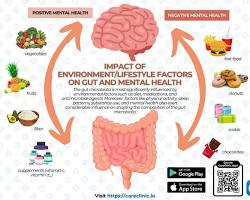
Several everyday factors can influence gut function, directly altering the delicate balance of your microbial ecosystem over time:
1. Diet Quality
The foods you eat serve as the primary fuel source for your microbiome. Diets high in diverse, unprocessed whole foods feed beneficial species, while heavy consumption of refined sugars and processed fats can encourage less helpful organisms to thrive.
2. Sleep Patterns
Your digestive system operates on a natural internal clock. Irregular or disrupted sleep patterns can interfere with this digestive rhythm, changing how efficiently your body processes nutrients and repairs its intestinal lining overnight.
3. Stress Levels
Long-term psychological or physical stress triggers a fight-or-flight response that shifts blood flow away from your digestive tract. Chronic stress can alter gut motility, reduce protective mucus production, and disrupt microbial harmony.
4. Physical Activity
Regular physical movement supports healthy digestive motility, encouraging your system to process waste efficiently. Consistent exercise is also linked to greater microbial diversity and a more resilient metabolism.
5. Medication Use
Certain medications can impact your internal environment. While necessary for specific health conditions, their use can temporarily alter the populations of beneficial microorganisms residing in your digestive tract.
6. Hydration
Drinking enough water is fundamental to smooth digestion. Proper hydration keeps the mucosal lining of your intestines fluid, assists in the breakdown of food, and supports the comfortable elimination of waste materials.
Signs of an Unbalanced Gut (General Overview)
When the delicate balance of your gut microorganisms is disrupted, or when lifestyle pressures accumulate without adequate recovery, your digestive system may struggle to perform its routine tasks smoothly. Some people may experience the following when gut balance is disrupted:
- Bloating or discomfort: Feeling noticeable abdominal fullness or internal tension after eating standard meals.
- Irregular digestion: Expending unnecessary effort to maintain a predictable, smooth elimination schedule.
- Low energy levels: Feeling chronically tired, which can sometimes trace back to inefficient nutrient absorption or systemic stress.
- Changes in appetite: Experiencing sudden shifts in food cravings or unpredictable hunger cues throughout the day.
- General digestive sensitivity: Finding that foods you once processed easily now cause temporary physical irritation.
These symptoms are non-specific and can have many causes. They serve as general warning signs from your body that your internal environment is functioning under strain, indicating it may be time to slow down and audit your daily lifestyle foundations.
Lifestyle Habits That Support Gut Health
Research suggests that simple lifestyle habits may support a healthy digestive system. Your internal ecosystem thrives on steady, reliable habits rather than sudden, aggressive overhauls.
1. Eat Fiber-Rich Foods
Fruits, vegetables, legumes, and whole grains help support digestion. These foods contain complex fibers that your human cells cannot break down on their own. Instead, they pass into the large intestine, serving as the essential nourishment your beneficial microbes need to grow and multiply.
2. Include Fermented Foods
Foods like yogurt, kefir, sauerkraut, and fermented vegetables may support microbial diversity. These traditional foods introduce live, active cultures directly into your digestive path, offering natural support to your existing microbial communities.
3. Stay Hydrated
Water supports normal digestion and nutrient absorption. Drinking sufficient fluids throughout the day ensures that the food you consume can move smoothly through your tract, facilitating the clean, efficient delivery of nutrients to your cells.
4. Stay Physically Active
Movement supports healthy gut motility and overall metabolism. Engaging in regular, low-impact exercise like walking helps stimulate the natural muscular contractions of your digestive system, keeping waste moving regularly.
5. Maintain a Balanced Diet
A varied diet supports a more diverse gut microbiome. By regularly changing the types of whole foods on your plate, you provide distinct fuel sources for different families of beneficial microbes, encouraging a robust and adaptable internal ecosystem.
Related Research Articles
- How to Build a Daily Wellness Routine That Actually Sticks
- How to Improve Senior Wellness Naturally : 7 Simple Daily Habits
- 6 Simple Daily Habits to Strengthen Family Wellness
- How to Reduce Stress Naturally in Just 10 Minutes (Simple Daily Techniques)
- How to Boost Women’s Energy Levels Naturally:5 Daily Habits
- How to Build a Healthy Daily Routine : 7 Simple Steps for Better Wellness
- 10 Simple Daily Wellness Habits to Improve Your Overall Health Naturally
Gut Health and Overall Wellness
Modern research continues to explore how gut health connects with other systems in the body. While findings are still developing, maintaining a healthy lifestyle is consistently associated with better digestive and overall well-being. Your physical vitality is built from the ground up, meaning that a steady, stable digestive baseline naturally supports your broader physical and mental performance.
However, it is vital to remember that there is no single diet, magic trend, or supplement that guarantees perfect gut health. Consistency in daily habits is more important than chasing extreme, expensive protocols. Your cells and microbes respond best to long-term care and predictable everyday patterns.
Final Thoughts
Gut health is an essential part of overall wellness. It involves the proper functioning of the physical digestive system and the balance of microorganisms in the gut. Taking care of this system does not require overcomplicating your life with rigid restrictions.
Supporting gut health is best achieved through simple, long-term habits such as balanced nutrition, hydration, movement, and stress management. By protecting your sleep, consuming a wide variety of whole foods, and keeping your body active, you provide your digestive tract with the ideal environment to support your health for years to come.
Frequently Asked Questions (FAQ)
1. What is the difference between probiotics and prebiotics?
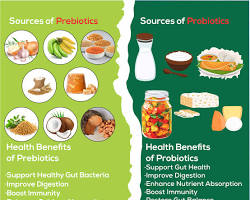
Probiotics are live, beneficial microorganisms found in fermented foods that help support your existing internal community. Prebiotics are the specialized plant fibers found in whole foods that serve as the actual nourishment for those helpful microbes, keeping them active.
2. How does chronic mental stress affect daily gut function?
When you experience chronic stress, your nervous system signals your body to prioritize immediate survival over resting tasks. This reaction decreases blood flow to your digestive organs, which can slow down your digestion and occasionally lead to temporary discomfort.
3. Why is microbial diversity considered a sign of a healthy gut?
A highly diverse microbiome means your system contains many different strains of helpful microbes, each performing unique tasks. This variety makes your digestive ecosystem much more resilient and adaptable when handling different foods or environmental challenges.
4. Can a poor night of sleep impact digestion the following day?
Yes, your digestive system follows its own natural daily rhythm. When your sleep is disrupted, it can interfere with this routine schedule, occasionally leading to slower digestion, altered hunger cues, or heightened sensitivity to certain foods the next morning.
5. How long does it take for a change in diet to influence the microbiome?
While your microbial populations can begin responding to new food inputs within a few days, building a deeply stable and resilient gut balance requires several weeks of consistent, health-supportive daily nutrition and lifestyle choices.
⚠️ Disclaimer
This article is for educational and informational purposes only and does not provide medical advice. If you have persistent digestive symptoms, always consult a qualified healthcare professional.
📚 References
- Cleveland Clinic: Overview of the Gut Microbiome and Its Role in Systemic Health.
- Healthline: The Science of Digestive Function, Microbes, and Human Nutrition.
- Harvard Health Publishing: Exploring the Connection Between the Gut Environment and Immune Defense.
- National Health Service (NHS): General Guidance on Maintaining Digestive Health and Nutritional Wellness.