

Introduction
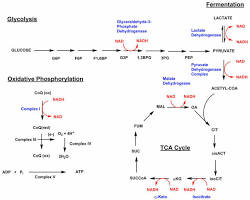
NAD+ (Nicotinamide Adenine Dinucleotide) is a naturally occurring molecule found in all living cells. It plays an important role in how the body produces energy and supports basic cellular processes. Far from being a quick fix or a passing health trend, this foundational coenzyme acts as a vital bridge between the food you consume and your body’s ability to execute complex physiological tasks. Every single thought you think, muscle contraction you initiate, and cellular repair loop your body runs depends heavily on the presence of this molecule.
In recent years, NAD+ has become widely discussed in wellness and longevity research because of its connection to cellular metabolism and aging. However, most research is still ongoing, and the effects of external supplementation in humans are not fully established. Your body operates as an intricate, deeply connected system where changing one biological factor can cause unexpected ripples across other metabolic networks.You can read general scientific overviews from trusted sources such as the Cleveland Clinic and Healthline.
During my 6+ years working within clinical public health systems and primary health centres, including NRHM facilities, evaluating systemic metabolic exhaustion and the widespread use of over-the-counter anti-aging products was a routine operational reality on the ground. In busy primary health settings, we frequently observed patients spending substantial amounts on unverified health trends, hoping to override deep, chronic exhaustion caused by unmanaged stress, poor diet, and structural sleep deficits.
What my public health background taught me is that you cannot force an exhausted cellular environment into a state of vibrant energy using external compounds alone. True metabolic stamina is always built from the ground up, ensuring your cells have a strong physical foundation of rest and nutrition before you ever introduce complex molecular protocols.
What Is NAD+?
NAD+ is a coenzyme found in every cell of the body. A coenzyme is a helper molecule that supports important chemical reactions. Without these specialized helpers, the enzymes responsible for maintaining your survival would be unable to catalyze reactions fast enough to sustain human life.
Specifically, NAD+ is involved in:
- Converting food into cellular energy: Transporting high-energy electrons during the breakdown of macronutrients.
- Supporting normal metabolic processes: Helping cells process fats, carbohydrates, and proteins cleanly.
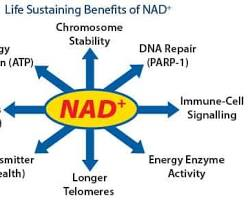
- Assisting cellular repair functions: Acting as an indispensable cofactor for specialized proteins that protect genetic stability.
- Helping regulate internal biological processes: Serving as an active signaling agent across multiple chemical messaging networks.
Because of its central role in energy production, NAD+ is considered an important molecule in basic biology. It acts as an essential microscopic currency, flowing continuously through your cells to keep your internal biological machinery moving smoothly.
Why NAD+ Levels Change Over Time
Research suggests that NAD+ levels naturally change throughout life. These changes are part of normal biological processes and vary between individuals, dictated by a combination of genetics, environmental inputs, and daily demands.
Factors that may influence these levels include:
- Aging: The natural, gradual reduction in cellular recycling efficiency that occurs as time passes.
- Physical stress: High structural demands or chronic systemic strain that rapidly consumes cellular resources.
- Sleep patterns: Deliberately disrupting your internal biological clock, which can alter normal molecular rhythms.
- Diet quality: Failing to provide the essential micronutrient building blocks required for natural molecule synthesis.
- General lifestyle habits: Prolonged periods of inactivity or toxic environmental exposures that place an extra burden on cellular repair systems.
When environmental stress and daily wear and tear consistently outpace your body’s internal recovery resources, your cells are forced to allocate their limited pool of helper molecules to immediate survival tasks, leaving fewer resources available for long-term maintenance.
📊 The NAD+ Electron Transport and Cellular Fuel Pathway
To understand how Nicotinamide Adenine Dinucleotide operates as an essential carrier molecule to fuel your cells and assist with internal maintenance, review this operational flowchart:
THE CELLULAR ELECTRON CARRIER LINE
                     [Ingested Nutrients / Carbohydrates & Fats]
                                         │
                                         ▼
                     [Nutrients Broken Down via Glycolysis]
                                         │
                                         ▼
                       [NAD+ Collects High-Energy Electrons]
                       (Converts into the Shuttling Form: NADH)
                                         │
                                         ▼
                     [Delivery to the Electron Transport Chain]
                                         │
             ┌───────────────────────────┴───────────────────────────┐
             ▼                                                       ▼
  [Adenosine Triphosphate Generated]                      [Used NAD+ Rebuilt via Salvage]
         (ATP Cellular Fuel)                                (Precursors Reassembled)
             │                                                       │
             ▼                                                       ▼
(Powers Heart, Brain, & Muscle Tissue)                 (Recycled for Next Energy Cycle)
Why NAD+ Is Discussed in Wellness Research
NAD+ has gained massive attention because it is involved in many fundamental cellular functions, including energy metabolism. In the scientific community, researchers are deeply interested in how this molecule interacts with specialized pathways that manage cellular defenses and energy distribution.
Specifically, researchers are studying how NAD+ behaves in different conditions, especially in relation to aging and metabolic health. Because these pathways act like internal sensors that help the body adapt to resource scarcity or physical stress, understanding how to maintain their function is a primary focus of modern biology. However, it is important to note that most findings are still based on early-stage or limited human studies. Many popular concepts originate from laboratory or animal models, meaning their true long-term impact on human health requires careful and conservative interpretation.
NAD+ Precursors (General Information)
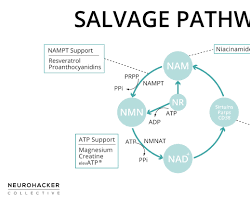
In biology, NAD+ is a large, complex molecule that cannot easily pass directly through cell membranes. Instead, it is produced in the body using smaller, highly specialized building blocks called precursors.
Common precursors discussed in scientific literature include:
- Nicotinamide: A traditional form of Vitamin B3 used in basic cellular maintenance paths.
- Nicotinamide Riboside (NR): A unique form of Vitamin B3 studied for its ability to convert efficiently into cellular fuel building blocks.
- Nicotinamide Mononucleotide (NMN): An intermediate compound that sits directly along the body’s natural assembly line for building the complete coenzyme.
These compounds are naturally studied for their role in NAD+ production, but their long-term effects, optimal intake levels, and systemic outcomes in humans are still being actively researched. Chasing individual precursors without looking at your body’s entire nutritional environment can create imbalances, as your system requires a wide array of secondary vitamins and minerals to run these manufacturing steps cleanly.
What Current Research Suggests
Current studies suggest that NAD+ is inherently linked to the primary operational lines of human cellular health:
- Energy metabolism: Keeping the cellular powerhouses supplied with the electrical carrier lines they need to synthesize fuel.
- Cellular repair mechanisms: Assisting the specialized enzymes responsible for checking and fixing errors in cellular structures.
- Stress response pathways: Helping tissues adapt appropriately when exposed to environmental or temperature variations.
- Mitochondrial function: Maintaining the structural integrity of your internal energy factories.
However, despite the exciting molecular pathways discovered in laboratories, most experts agree on a grounded reality: human evidence is still limited, long-term outcomes are not fully understood, and more large-scale clinical research is needed. For more thorough medical and scientific context on this evolution, see the Verywell Health overview on NAD+ and the Harvard Health discussion on aging and metabolism.
Understanding Integrated Metabolic Connections
Your molecular health does not exist in isolation; it is deeply intertwined with how your body manages food, sleep, and physical strain. When your external routines are balanced, your internal biochemical networks can function with minimal friction.
For instance, blood sugar stability directly influences how efficiently your cells can process fuel. If your system experiences constant blood sugar swings due to a poor diet, it can place an unnecessary burden on your cellular machinery, consuming valuable coenzymes that could otherwise be used for tissue maintenance.
Similarly, chronic stress locks your nervous system into a continuous fight-or-flight state, forcing your body to prioritize short-term survival demands over deep cellular repairs. Giving your system regular opportunities to rest and decompress protects your internal resources from being prematurely depleted by constant environmental pressure.
Safety and Considerations
Because NAD-related pathways impact central metabolic functions, it is crucial to approach this area of wellness with a cautious, evidence-based mindset. Scientific consensus is still evolving, and several important considerations apply:
- Effects vary between individuals: Personal genetics, age, and liver metabolism can significantly alter how your body processes these compounds.
- Long-term human research is limited: While short-term safety data exists for some forms, we lack multi-year human trials tracking long-term outcomes.
- Product quality differs widely: The supplement industry faces limited pre-market oversight, meaning purity, exact dosages, and heavy metal testing depend entirely on the reliability of the manufacturer.
- Medical guidance is always recommended: Consulting a healthcare professional is vital, especially if you have pre-existing conditions or take prescription medications that affect liver or metabolic pathways.
According to major health sources, focusing on basic lifestyle habits remains the most verified and established way to support general cellular health without introducing unnecessary complexity to your nervous system.
Lifestyle Factors That Naturally Support NAD Function
Research suggests that normal daily habits may influence NAD-related pathways indirectly. Your body’s internal production assembly lines thrive on steady, natural signals rather than aggressive, unverified interventions.
Key foundational practices that support overall metabolic function include:
- Regular physical activity: Challenging your muscles through exercise naturally triggers your cells to increase their internal energy production capacity.
- Balanced nutrition: Eating a varied, whole-food diet provides a natural spectrum of B-vitamins and micronutrients to fuel your cellular factories.
- Adequate sleep: Getting deep, restorative sleep allows your brain and organs to execute essential nightly maintenance cycles without distraction.
- Stress management: Utilizing regular relaxation habits keeps chronic survival hormones from overwhelming your metabolic pathways.
- Avoiding long-term inactivity: Moving regularly throughout the day prevents cellular stagnation and helps maintain efficient circulation.
You may also explore related topics on our site:
- 👉 Mitochondrial Support Overview
- 👉 Insulin Sensitivity Guide
- 👉 Deep Sleep & Recovery
- 👉 Sleep Optimization Guide
- 👉 Stress Resilience Strategies
- 👉 Insulin Sensitivity Overview
Common Misunderstandings
Online health forums frequently exaggerate scientific findings regarding molecular wellness. Here are some critical, research-backed clarifications to keep your approach grounded:
- It is not a “treatment” or “therapy”: NAD-related compounds are wellness concepts focused on general support, not remedies for clinical diseases.
- It does not “reverse aging” in humans: True biological aging is incredibly complex, driven by dozens of independent factors that cannot be altered by a single molecule.
- Supplements are not guaranteed to improve health outcomes: Taking a pill cannot override the physical damage caused by poor sleep, constant stress, or an ultra-processed diet.
Understanding NAD+ in a clear, scientific context helps you avoid overinterpreting early research, saving you from expensive trends that lack a definitive clinical track record in humans.
Final Thoughts
NAD+ is an important molecule in human biology that plays a central role in energy metabolism and cellular processes. While it remains a highly compelling area of active longevity research, current human evidence is still developing, and no definitive conclusions exist about the long-term outcomes of direct supplementation.
The most consistent, time-tested support for healthy cellular function still comes from basic lifestyle habits such as sleep, nutrition, movement, and stress management. By honoring these timeless pillars of health, you provide your body’s cells with the ideal physical environment to build energy, repair damage, and maintain natural vitality for years to come.
Frequently Asked Questions (FAQ)
1. What is the main structural difference between NAD+ and NADH?
NAD+ represents the oxidized form of the molecule, meaning it is ready and waiting to pick up electrons from the food you eat. NADH is the reduced form, meaning it has successfully collected those high-energy electrons and is actively carrying them to your cellular powerhouses to generate fuel.
2. Can intense exercise naturally alter how the body manages its NAD+ pathways?
Yes, engaging in consistent physical exercise forces your muscles to consume energy rapidly. This sudden demand triggers an internal biological survival response that signals your cells to manufacture more internal helper molecules and expand their overall capacity to process fuel.
3. Why can a poor diet disrupt the natural production of helper molecules?
Your body requires specific raw materials, such as specific amino acids and B-vitamins found in whole foods, to build its coenzymes. If your diet is high in processed foods and low in essential micronutrients, your cells lack the basic components needed to maintain their natural production levels.
4. How does a regular sleep schedule support long-term cellular health?
Your body’s metabolic pathways follow a strict circadian rhythm, turning on specific production and repair tasks at different times of the day and night. Maintaining a regular sleep schedule allows your cells to execute these biochemical maintenance cycles on a predictable timeline.
5. Why is a manufacturer’s third-party testing seal important for wellness supplements?
Because the supplement market does not have rigid pre-market regulatory oversight, product contents can occasionally vary from what is printed on the label. A third-party seal confirms that an independent laboratory has verified the product’s purity and ensured it is free from unwanted heavy metals or contaminants.
⚠️ Disclaimer
This article is for educational purposes only and does not provide medical advice. Always consult a qualified healthcare professional before considering any supplement or health-related intervention.
📚 References
- Cleveland Clinic: Clinical overview of coenzymes, cellular metabolism, and energy conversion.
- Healthline: The foundational role of NAD+ in cellular biology and longevity discussions.
- Verywell Health: Comprehensive breakdown of NAD+ precursors and current scientific perspectives.
- Harvard Health Publishing: Insights into metabolic aging, mitochondrial function, and lifestyle foundations.