
Introduction
Spermidine is a naturally occurring compound found in all living cells. It belongs to a group of substances called polyamines, which are involved in normal cellular growth and maintenance. Far from being an artificial shortcut to longevity, this organic compound is a fundamental component of cellular biology that has existed alongside human evolution. Every tissue in your body relies on a balanced internal environment to manage cellular upkeep efficiently.
In recent years, spermidine has gained attention in nutrition and aging research because scientists are studying its role in cellular processes. However, much of this research is still developing, and many questions remain unanswered. Rather than viewing it as a standalone miracle ingredient, a grounded approach looks at how this compound fits into the broader picture of human metabolism and systemic health. For general information, you can learn more from trusted scientific resources such as the National Human Genome Research Institute and the National Institutes of Health.
During my 6+ years working within clinical public health systems and primary health centres, including NRHM facilities, evaluating nutritional patterns and counseling communities on evidence-based wellness was a core part of operational healthcare. In these community clinics, we frequently encountered individuals who became enamored with isolated dietary supplements or viral longevity trends. They often hoped these products would offset the chronic strain caused by an unbalanced diet, high daily stress, and persistent sleep loss.
What my public health background taught me is that cellular resilience cannot be sustained by isolated compounds alone. Your body’s internal maintenance pathways depend entirely on a steady, comprehensive lifestyle foundation. To support your cells’ natural capacity to repair and adapt, you must prioritize predictable daily habits—like structural rest, regular movement, and varied, whole-food nutrition—from the ground up.
What Is Spermidine?
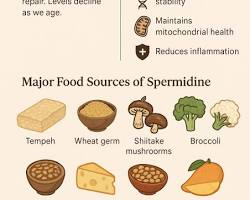
Spermidine is a naturally occurring polyamine compound that is deeply integrated into biological life. Polyamines are small organic molecules with a specific chemical structure that allows them to interact closely with cellular components like nucleic acids and proteins, supporting structural stability.
This vital compound is found extensively across nature, occurring naturally in:
- Human cells: Serving as a baseline component of our internal cellular environment.
- Plants: Assisting in plant growth, development, and environmental adaptation.
- Animals: Participating in normal tissue function and metabolic processes.
- Various foods: Available naturally within a wide variety of dietary choices.
It helps support normal cellular functions and is present throughout the body. Researchers have studied spermidine for decades because it participates in biological processes related to cell growth and maintenance. Its long history in laboratory science underscores that while internet interest is relatively new, its foundational role in biology is well-established.
Where Is Spermidine Found?
Because it is fundamental to cellular life, small amounts of spermidine occur naturally in many foods, making it highly accessible through a standard, diverse diet. Incorporating a variety of these nutrient-dense ingredients into your meals helps supply your body with its natural building blocks.
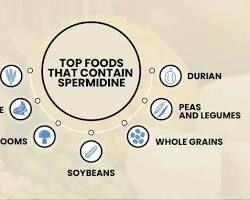
Common dietary sources include:
- Whole grains: Such as wheat germ, which contains some of the highest natural concentrations.
- Mushrooms: Various edible fungi varieties provide a steady dietary source.
- Legumes: Including lentils and chickpeas, which support overall metabolic wellness.
- Soy products: Such as fermented soybeans (natto), tofu, and mature soy milk.
- Certain vegetables: Including broccoli and cauliflower, alongside aged cheeses.
The amount varies depending on the food source and preparation methods. Because spermidine occurs naturally in foods, most people consume it as part of a normal diet. Prioritizing minimally processed whole foods ensures you receive this compound alongside a complex matrix of fiber, vitamins, and minerals.
📊 The Cellular Upkeep and Dietary Feedback Loop
To understand how your underlying health habits and dietary patterns work together to provide your cells with the stable environment required for natural repair pathways, review this operational flowchart:
THE CELLULAR RENEWAL AXIS
                       [Daily Dietary & Lifestyle Inputs]
                                       │
         ┌─────────────────────────────┴─────────────────────────────┐
         ▼                                                           ▼
[Fragmented Habits / Processed Diet]                [Balanced Habits / Whole-Food Diet]
 ──► High Intake of Refined Sugars                   ──► Regular Intake of Grains & Legumes
 ──► Persistent Restorative Sleep Loss               ──► Consistent, Uninterrupted Sleep Patterns
 ──► Chronic Elevated Stress Hormones                ──► Active Stress Management Routines
         │                                                           │
         ▼                                                           ▼
   [CELLULAR ACCUMULATION]                             [EFFICIENT REPAIR CHANNELS]
 (Metabolic Waste Retained in Cells)                 (Systemic Balance & Cellular Upkeep)
Why Are Researchers Interested in Spermidine?
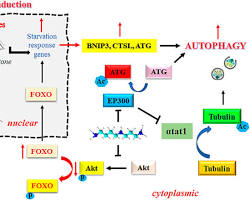
Scientists study spermidine because it is involved in several cellular processes. The primary reason for this scientific curiosity is the compound’s interaction with the body’s natural intracellular cleanup mechanisms, which clear away worn-out cellular parts to maintain efficiency.
Current research explores areas such as:
- Cellular maintenance: Investigating how polyamines interact with cellular components to preserve structural integrity.
- Normal cell function: Mapping the precise pathways the compound uses to assist cell division and growth.
- Healthy aging research: Exploring how cellular cleanup processes behave over a lifespan.
- Nutritional science: Tracking how dietary polyamine intake correlates with long-term wellness markers.
While these studies are interesting, many findings are still being investigated and should not be interpreted as proven health outcomes. Most early observations stem from laboratory models, meaning further rigorous evaluation is necessary to confirm identical, direct outcomes in everyday human physiology.
Understanding Systemic Metabolic Links
Your body’s cellular maintenance and repair pathways do not operate in a vacuum; they are deeply intertwined with your broader metabolic health, hormonal balance, and daily habits. When your lifestyle choices support your biological rhythms, your cells can manage their upkeep with minimal friction.
For instance, blood sugar stability directly influences cellular efficiency. If your diet is full of highly processed foods that cause sharp glucose spikes and sudden crashes, it can overwhelm your internal processing lines. Over time, this constant oversupply creates an inflammatory environment that interferes with your cells’ natural repair mechanisms, making it harder for them to clear out metabolic waste cleanly.
Similarly, a chronic stress response acts as a direct roadblock to healthy cellular maintenance. When unmanaged worries keep your nervous system in a constant fight-or-flight state, your body pumps out stress hormones that prioritize short-term survival over long-term tissue upgrades and cellular housekeeping. Giving your system regular opportunities to rest and unwind lowers these alert signals, protecting your cells’ natural capacity to maintain balance.
What Does Current Research Say?
Research on spermidine is ongoing. Some studies have examined associations between dietary spermidine intake and various health-related factors. However, researchers generally agree that:
- More human studies are needed: The vast majority of current data comes from cell cultures or animal models, which do not perfectly mirror human complexity.
- Long-term effects require further investigation: We currently lack comprehensive, multi-year clinical trials tracking the safety and impact of high-dose isolated supplementation in humans.
- Current evidence does not support broad health claims: Sweeping statements regarding quick-fix health outcomes run ahead of the actual data.
As with many nutrition topics, individual results can vary and scientific understanding continues to evolve. This underscores the importance of a cautious, evidence-first approach when evaluating wellness trends.
Common Misunderstandings About Spermidine
Online health forums frequently oversimplify or misinterpret the science of nutritional compounds. Here are some critical, research-backed clarifications to keep your approach grounded:
- Myth: Spermidine reverses aging $\rightarrow$ There is currently no scientific evidence showing that spermidine reverses human aging. Aging is a complex, multi-layered process influenced by time, genetics, and environment; it cannot be rolled back by a single molecule.
- Myth: Spermidine guarantees longer lifespan $\rightarrow$ Longevity is influenced by many factors including genetics, lifestyle, environment, and overall health. No single compound has been proven to guarantee a longer life.
- Myth: More spermidine is always better $\rightarrow$ Human biology is complex, and more is not always better when it comes to nutrients or naturally occurring compounds. Flooding your system with excessive, isolated amounts of any substance can disrupt your body’s natural feedback loops and internal balance.
Lifestyle Factors That Support Overall Health
Research consistently shows that long-term health and cellular vitality are driven by the compounding power of your everyday habits. Your nervous and metabolic systems thrive on steady, supportive routines that naturally provide your cells with the environment they need to function at their best.
To build a reliable foundation for long-term well-being, focus on these established areas:
- Regular Physical Activity: Movement supports overall physical well-being, circulation, and healthy body function, creating a positive, low-level stressor that prompts cells to stay efficient.
- Quality Sleep: Adequate sleep is absolutely vital for recovery, physical cellular maintenance, and daily functioning. It serves as your body’s primary nightly window for internal housekeeping.
- Balanced Nutrition: A varied, whole-food diet provides the complete matrix of vitamins, minerals, and natural compounds needed for normal health and cellular stability.
- Stress Management: Managing stress supports overall wellness and quality of life, preventing chronic cortisol spikes from disrupting your body’s natural repair pathways.
🔍 Internal Learning Focus Areas
To see how these fundamental lifestyle habits work together to protect your system from exhaustion and support your body’s natural recovery processes, consider exploring these related guides on our site:
- 👉 Intermittent Fasting Overview
- 👉 Deep Sleep Optimization
- 👉 Stress Resilience Strategies
- 👉 Mitochondrial Support Guide
When Reading Nutrition Research
Nutrition and longevity research can be complex. Studies often explore associations and biological mechanisms, but this does not automatically mean a specific food or compound will produce the same results in every individual. A statistical correlation found within a large, diverse population study does not guarantee an identical, immediate reaction inside your unique body.
Understanding the difference between early research and established evidence is important when evaluating health information. True, evidence-based wellness means waiting for verified, reproducible human data rather than modifying your entire health routine based on preliminary laboratory findings or viral marketing campaigns.
Final Thoughts
Spermidine is a naturally occurring compound found in cells and many common foods. Researchers continue to study its role in human biology, but current evidence remains an evolving area of scientific investigation. It serves as a fascinating example of how deeply our health is connected to the natural molecules found within a balanced, whole-food diet.
For most people, focusing on balanced nutrition, physical activity, quality sleep, and healthy lifestyle habits remains the most reliable approach to long-term well-being. By showing up consistently for your foundational health needs, you provide your body and its billions of cells with the ideal, stable environment to stay clear, sharp, and resilient for the years ahead.
Frequently Asked Questions (FAQ)
1. Does cooking or heating food destroy its natural spermidine content?
Initial food chemistry data indicates that spermidine is relatively stable under normal cooking temperatures. While intense, long-term boiling can cause some water-soluble compounds to leach out into the cooking liquid, standard steaming, roasting, or fermenting generally preserves the polyamine structure well.
2. How does the body’s natural production of spermidine change across a lifespan?
Laboratory observations show that internal polyamine levels are typically highest during periods of rapid growth, such as childhood and adolescence. As the body transitions into older adulthood, baseline cellular synthesis naturally tapers off, which is why researchers are studying dietary intake patterns.
3. Why is wheat germ highlighted so frequently in discussions about dietary polyamines?
Wheat germ stands out because it contains an exceptionally high concentration of natural spermidine per gram compared to most other raw foods. Incorporating a spoonful of unrefined wheat germ into meals is a straightforward, whole-food way to increase dietary polyamine intake.
4. Can a single day of an unbalanced diet disrupt my cellular maintenance pathways?
A single day of poor nutrition will not permanently derail your cells. Your body relies on deeply rooted homeostatic mechanisms to manage temporary fluctuations. However, making a habit of eating highly processed, low-nutrient foods over months can create an internal environment that slows down natural repair channels.
5. Why should I look for third-party testing if I am considering a wellness supplement?
Because over-the-counter dietary supplements do not undergo rigid pre-market regulatory clearance, product purity can vary between brands. Choosing a manufacturer that displays an independent, third-party laboratory verification seal ensures that the product matches its label and is completely free from hidden heavy metals.
⚠️ Disclaimer
This article is for educational purposes only and does not provide medical advice. Always consult a qualified healthcare professional before making decisions about supplements, nutrition, or health-related products.
📚 References
- National Human Genome Research Institute: Insights into polyamine structures, cellular growth mechanics, and genetic adaptation.
- National Institutes of Health (NIH): Overviews of nutritional science, dietary compound profiling, and healthy aging parameters.
- Frontiers in Nutrition: Research tracking the spermidine content of common foods and the impacts of various cooking methods.
- American Journal of Clinical Nutrition: Population studies exploring the correlations between dietary polyamine intake and long-term health markers.