

Which of these routines feels easiest for your family to start today?
Modern family life is busy. Work schedules overlap. School demands increase. Screens compete for attention. Meals become rushed. Sleep gets inconsistent. Over time, the home can start to feel reactive instead of supportive.
Most families don’t struggle because they don’t care about health. They struggle because they lack simple, sustainable structure.
That’s where healthy family routines make a real difference.
These routines are not about strict control or unrealistic discipline. They are about building steady rhythms that support physical health, emotional balance, and stronger relationships inside the home.
From my experience, families don’t need dramatic changes — they need consistency in small things
This article is regularly updated to reflect current wellness practices in 2026.

Who This Guide Is For
- Families wanting sustainable daily wellness habits
- Parents seeking balanced structure at home
- Beginners building long-term family well-being
Who Should Be Careful
Families managing medical or behavioral conditions should seek personalized professional guidance before making significant lifestyle adjustments.
Why Family Routines Often Fail Today
Modern life moves fast. Work demands increase. School expectations grow. Digital distractions compete for attention.
Families usually try one of two extremes:
- No structure at all
- Overly strict systems that feel exhausting
Both approaches break down quickly.
What usually goes wrong?
- Routines are too complicated
- Expectations are unrealistic
- Everyone isn’t involved in the process
Healthy family routines succeed when they are shared, flexible, and consistent.
Healthy Family Routines – What Actually Helps
Below are seven foundational routines that help create long-term family well-being.
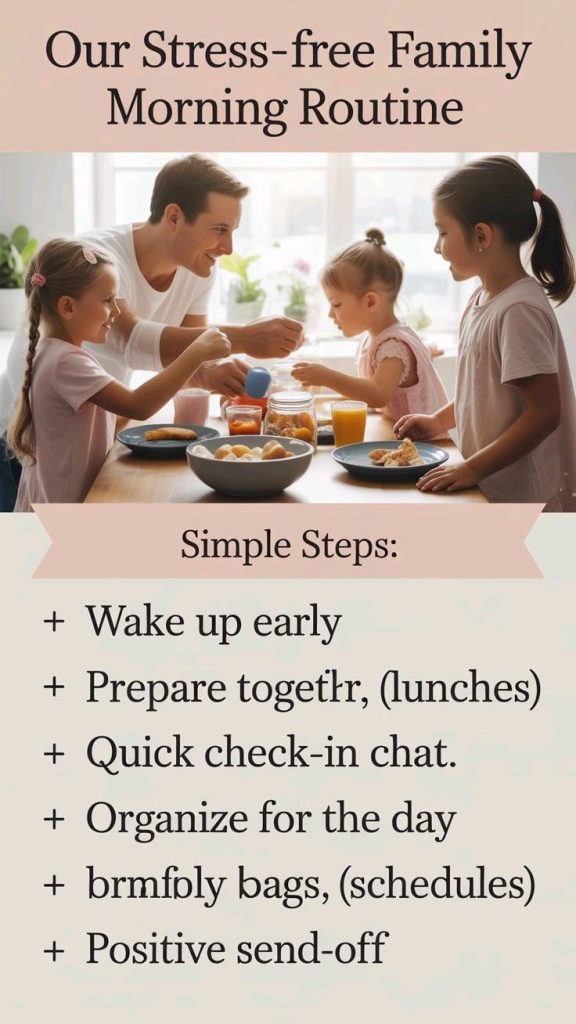
1. A Predictable Morning Structure
The way a family begins the day influences everything that follows.
When mornings are rushed and chaotic, stress levels rise before the day even begins. Arguments become more likely. Focus decreases. Energy feels scattered.
A predictable morning routine doesn’t need to be complex. It simply needs to be repeatable.
A healthy morning flow might include:
- Waking up at a consistent time
- Personal hygiene
- A simple breakfast
- A brief check-in before leaving
This predictability reduces decision fatigue. When everyone knows what happens next, there is less resistance and fewer last-minute surprises.
Children especially benefit from structured mornings. It gives them a sense of security and control. Adults benefit too — calm mornings often lead to calmer days.
The goal isn’t perfection. It’s rhythm.
Shared meals are one of the most powerful yet underestimated family routines.
When families eat together without phones or television, something important happens — communication becomes natural.
It doesn’t need to be a long dinner. Even 20–30 minutes is enough.
During shared meals:
- Ask open-ended questions
- Listen without interrupting
- Keep the tone light
Regular shared meals encourage mindful eating and emotional connection at the same time.
I have seen this routine work consistently for families who stick with it. It’s simple, but its impact grows over time.
Even if schedules are tight, protecting one shared meal a day creates stability.
3. Daily Movement as a Family
Movement supports more than physical health. It improves mood, reduces tension, and increases overall energy.
The key is making it shared, not forced.
This could look like:
- Evening walks
- Weekend park visits
- Stretching together at home
- Playing simple outdoor games
The goal is not intensity. It’s participation.
When children see adults engaging in regular movement, they develop positive associations with physical activity. It becomes normal, not something imposed.
Consistent family movement helps release accumulated daily stress and strengthens connection at the same time.

4. A Calm Evening Wind-Down Routine
Evenings often determine sleep quality — and sleep quality affects everything else.
Without a clear wind-down routine, families drift into late-night screen use, irregular bedtimes, and overstimulation.
A healthy evening routine might include:
- Dimming lights one hour before bed
- Reducing device use
- Light reading or quiet conversation
- Preparing for the next day
This structure helps the body and mind transition into rest.
Children benefit from predictable bedtimes. Adults benefit from improved mental clarity the next day.
Long-term well-being is deeply connected to consistent rest patterns.
5. Weekly Planning and Review
One reason families feel overwhelmed is constant surprise. Forgotten assignments. Overlapping commitments. Last-minute obligations.
A 20-minute weekly planning session prevents much of this.
Once a week:
- Review the upcoming schedule
- Clarify responsibilities
- Identify busy days
- Adjust expectations
This small habit creates clarity and reduces stress.
It also encourages shared accountability. Everyone understands what the week looks like.
When routines are discussed openly, they are more likely to be respected.
A healthy family environment is collaborative.
When one person carries all the responsibility, tension builds quietly.
Assigning age-appropriate responsibilities:
- Builds confidence in children
- Encourages teamwork
- Teaches life skills
- Reduces resentment
Tasks don’t need to be complicated. Setting the table, organizing shared areas, or helping prepare simple meals is enough.
When everyone contributes, the home feels shared — not managed.
Shared responsibility strengthens mutual respect, which is essential for long-term family well-being.
7. A Daily Reflection or Gratitude Practice
Emotional wellness is just as important as physical structure.
Families that regularly reflect together build stronger emotional awareness.
This can be simple:
- Share one positive moment from the day
- Acknowledge something you appreciate about another family member
- Discuss one small challenge calmly
This practice shifts attention away from constant problem-solving and toward appreciation.
Over time, reflection supports emotional resilience.
It doesn’t remove stress. But it helps families respond more thoughtfully instead of reacting automatically.
Why These Routines Work Long Term
Healthy family routines succeed because they are:
- Simple
- Repeatable
- Flexible
- Shared
They don’t rely on motivation. They rely on rhythm.
Most families fail when they try to change everything at once. Sustainable improvement happens when small routines become automatic.
These seven habits create structure without rigidity. They support well-being without pressure.
What Results Can You Expect Over Time?
When practiced consistently, these routines may:
- Reduce daily stress
- Improve communication
- Support healthier sleep patterns
- Encourage emotional balance
- Strengthen connection between family members
Changes are usually gradual.
There are no instant transformations. No dramatic shifts overnight.
But steady routines create a home environment that feels calmer, more predictable, and more supportive over time.
Quick Reference Table / Checklist
| Routine | How Often | Beginner-Friendly |
| Morning Flow | Daily | Yes |
| Shared Meal | Daily | Yes |
| Family Movement | 3–5x/week | Yes |
| Wind-Down Routine | Daily | Yes |
| Weekly Planning | Weekly | Yes |
| Shared Responsibilities | Daily | Yes |
| Gratitude Practice | Daily | Yes |
A Realistic Reminder
Not every week will go smoothly.
Schedules will change. Plans will break. Some routines will slip.
That’s normal.
Long-term family well-being is not about flawless execution. It’s about returning to simple structure again and again.
Consistency beats intensity.
Final Thoughts
Families thrive on stability, connection, and shared responsibility.
Healthy routines don’t need to be strict or complicated. They simply need to be practiced often enough that they become part of daily life.
Start with one routine. Let it settle. Then add another.
Over time, your home begins to feel less reactive and more intentional.
And that’s where long-term well-being quietly grows.
Small Steps Matter
Choose one routine from this guide and begin this week.
You can explore more ideas in our Family Wellness section or bookmark this article for future reference.
Also read : How to Manage Chronic Health Conditions Naturally and Safely
How to Build a Daily Wellness Routine That Actually Sticks
How to Improve Senior Wellness Naturally : 7 Simple Daily Habits
6 Simple Daily Habits to Strengthen Family Wellness
How to Reduce Stress Naturally in Just 10 Minutes (Simple Daily Techniques)
How to Boost Women’s Energy Levels Naturally:5 Daily Habits
How to Build a Healthy Daily Routine : 7 Simple Steps for Better Wellness
10 Simple Daily Wellness Habits to Improve Your Overall Health Naturally
9 Simple Lifestyle Habits to Improve Daily Wellness Naturally
8 Proven Ways to Build Fitness Consistency Without Burning Out
Morning vs Evening Routines: Which Is Better for a Healthy Lifestyle?
7 Morning Habits That Boost Mental Wellness and Reduce Daily Stress Naturally
Calm Your Mind Naturally: 7 Natural Ways Just 10 Minutes a Day
Improve Sleep Quality Naturally :10 Evening Habits
Strengthen Your Immune System Naturally with 8 Daily Habits
How 8 Simple Family Wellness Habits That Build a Healthier Home Environment
Frequently Asked Questions
Q1: How many healthy family routines should we start at once?
A: Start with one or two. Adding too many at once can feel overwhelming.
Q2: What if my children resist structure?
A: Introduce routines gradually and involve them in planning. Ownership increases cooperation.
Q3: Are healthy family routines necessary every day?
A: Flexibility matters. Healthy family routines work best when they adapt to real-life schedules while maintaining basic consistency.