
Introduction
Mitochondrial support refers to general lifestyle and nutritional approaches that may help maintain healthy cellular energy production. Far from being a fleeting health trend, optimizing your foundational cellular health is a core physiological requirement. Your body operates on a non-stop cycle of energy generation, tissue repair, and systemic maintenance, meaning that your day-to-day vitality relies entirely on how efficiently your cells can handle physical, environmental, and mental demands.
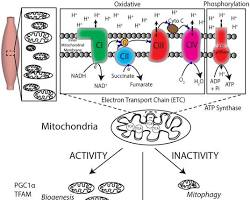
Mitochondria are tiny structures inside cells that act as the body’s main energy producers. They convert nutrients from food into energy that cells use to function. Because of this vital role, mitochondria are often described in biology as the “energy factories” of the body. Without their constant activity, your tissues would be unable to perform basic survival tasks. You can learn more about this basic function from trusted healthcare and biological educational resources such as Healthline and Medical News Today.
During my 6+ years working within clinical public health systems and primary health centres, including NRHM facilities, evaluating chronic metabolic dysfunction and its physical manifestations was a routine operational requirement. In these community clinics, we observed firsthand that when an individual’s environmental demands consistently outpaced their recovery resources—whether due to chronic sleep loss, poor nutrition, or long-term physical inactivity—the resulting cellular strain led to profound metabolic inefficiencies.
My public health background taught me that supporting energy levels is never about finding a quick-fix shortcut. When your underlying cellular systems are structurally drained by poor daily habits, no extreme protocol or sudden intervention can override that deficit. Achieving authentic systemic health requires building a reliable, highly structured lifestyle routine that naturally protects your body’s metabolic baseline from the ground up.
What Are Mitochondria?
Mitochondria are small structures found inside nearly all human cells. They function as specialized, highly intricate hubs where complex biochemical reactions turn raw nutrients into usable biological fuel.
Their main role is to:
- Convert food nutrients into energy (ATP): Turning carbohydrates, fats, and proteins into chemical fuel.
- Support normal cell function: Driving the basic chemical processes necessary for individual cells to maintain their structure.
- Help cells respond to energy demands: Adjusting their output dynamically based on whether you are resting or physically exerting yourself.
Different tissues have different energy needs. For example, muscles and brain cells contain more mitochondria because they require more energy to function. Your heart, central nervous system, and skeletal muscles are packed with thousands of these cellular engines per cell, making them highly sensitive to changes in your overall metabolic efficiency, blood circulation, and daily recovery habits.You can learn more about this basic function from trusted sources such as Healthline and Medical News Today.
Why Mitochondrial Health Matters
Healthy mitochondria are important because they support basic cellular processes such as energy production and cell maintenance. When mitochondria function normally, cells can:
- Produce energy efficiently: Maximizing fuel conversion while minimizing internal cellular strain.
- Maintain normal activity levels: Allowing organs to perform their respective duties smoothly throughout the day.
- Respond to daily physical and mental demands: Preventing sudden drops in physical stamina or cognitive focus during high-pressure situations.
Research in cellular biology shows that mitochondria play a central role in overall energy metabolism and long-term cellular function. When these structures operate smoothly, they manage metabolic byproducts safely and keep your tissues running efficiently. If your cellular engines function well, your entire body is better equipped to handle everyday challenges without suffering premature fatigue or systemic exhaustion.
What Is “Mitochondrial Support”?
“Mitochondrial support” is not a medical treatment. It is a general wellness term used to describe habits that may help the body maintain normal cellular energy function.
These supportive routines often include:
- Physical activity: Challenging the muscles to stimulate natural cellular renewal.
- Balanced nutrition: Feeding the body clean, unprocessed nutrients.
- Good sleep habits: Ensuring the brain and organs have an uninterrupted window to restore energy reserves.
- Stress management: Keeping chronic survival hormones from overwhelming metabolic pathways.
- Healthy lifestyle routines: Building predictable, sustainable daily structures.
There is no single method or supplement that guarantees improved mitochondrial function. Instead, research suggests that overall lifestyle patterns are more important. Providing your system with consistent, healthy habits creates a supportive environment that allows your cells to repair, adapt, and generate energy efficiently over time.
📊 The Cellular Energy Production Pathway
To understand how your body transforms nutrients into biological fuel and clears out byproducts, review this operational flowchart:
THE CELLULAR FUEL PIPELINE
                     [Ingested Nutrients / Food Intake]
                                     │
                                     ▼
                     [Nutrients Broken Down into Glucose]
                        (Digestion & Vascular Delivery)
                                     │
                                     ▼
                   [Nutrients Enter the Mitochondria]
                                     │
                                     ▼
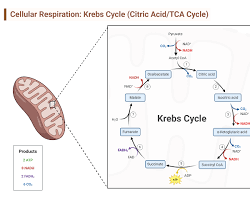
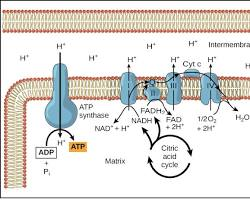
                 [The Krebs Cycle & Electron Transport]
                                     │
         ┌───────────────────────────┴───────────────────────────┐
         ▼                                                       ▼
 [Adenosine Triphosphate]                                [Metabolic Byproducts]
       (ATP Energy)                                        (Reactive Oxygen)
         │                                                       │
         ▼                                                       ▼
(Fuels Brain, Muscle & Organs)                         (Cleared by Cellular Defense)
Factors That Influence Mitochondrial Function
Several everyday factors may affect how cells produce and use energy, heavily shaping your overall metabolic health and stamina:
1. Physical Activity
Regular movement supports normal metabolic activity in cells. Forcing your muscles to contract regularly sends a direct signal to your cells to maintain their internal machinery, improving their overall capacity to burn fuel efficiently and adapt to greater physical workloads.
2. Nutrition
Cells rely on nutrients from food to produce energy efficiently. A steady supply of essential vitamins, minerals, and clean macronutrients provides the raw materials your cellular factories require to keep their internal energy assembly lines running smoothly.
3. Sleep Quality
Sleep supports recovery processes and normal biological regulation. While you rest, your body prioritizes deep cellular repairs, cleaning out metabolic waste and restoring balance so your energy systems can perform at their best the following day.
4. Stress Levels
Long-term stress may influence how the body manages energy demands. Chronic physical or mental pressure keeps the nervous system in a constant alert state, which can disrupt normal nutrient metabolism and strain your cellular resources over time.
5. Aging
Natural aging is associated with gradual changes in cellular efficiency, as described in scientific literature. As time passes, the natural output of your cellular engines can decrease, making consistent, health-supportive daily routines even more vital for long-term vitality.
Common Misunderstandings
Online wellness discussions sometimes overcomplicate mitochondrial health with unproven theories. Here are some important clarifications to keep your approach grounded and realistic:
- Mitochondrial support is not a cure or treatment: It is a lifestyle concept focused on maintaining general wellness, not a remedy for specific clinical diseases.
- There is no proven “reset” or “upgrade” method: Your cells adapt gradually over time through consistent daily habits, not through short-term detox trends or weekend cleanses.
- Supplements are not required for normal mitochondrial function: A well-nourished body can produce adequate cellular energy using nutrients derived entirely from a balanced diet.
- Extreme protocols are not supported by strong scientific evidence: Radical dietary restrictions or excessive physical habits can cause undue stress to your system rather than helping it.
Most research supports basic lifestyle habits over complex interventions. Keeping your routine straightforward, logical, and sustainable is the safest way to support your long-term health.
Understanding Metabolic Feedback Networks
Your cellular energy health does not operate in isolation; it is deeply connected to how your body handles food, manages rest, and navigates daily strain. When your cells receive steady, predictable inputs, your entire metabolic network can function with greater ease.
For example, how efficiently your body manages blood sugar dictates the steady delivery of fuel to your cellular factories. If blood sugar levels swing wildly due to poor nutritional choices, your internal machinery can face sudden energy gluts or unexpected shortages. Keeping your system stable is key to smooth, reliable performance.
Similarly, chronic mental or physical pressure forces your body to shift its resources away from cell maintenance and into short-term survival pathways. Giving your system regular opportunities to unwind protects your cellular infrastructure from being worn down by constant environmental demands.
Advanced Modalities to Accelerate Recovery
Modern lifestyle medicine is turning its attention to specialized, non-invasive modalities that help support your cellular recovery systems. While these tools do not replace the need for foundational habits like nutrition and movement, they can complement your routine by helping your nervous system drop out of a highly alert state.
When you support your cells at a level that encourages cellular energy production, your tissues can handle environmental demands more effectively. For example, researchers look at how targeted wavelengths of light can interact with cellular powerhouses to mitigate the physical damage caused by high stress states, a concept popularized in light-based therapeutic research. Similarly, low-frequency magnetic fields are being studied for their ability to encourage a deep state of systemic relaxation, assisting with physical recovery after high-intensity days by resetting cellular electrical potentials.
For related topics, you may also read:
Optimizing Your Environment for Maximum Resilience
Providing your cells with the right inputs allows your body to heal from daily wear and tear. When your physical framework is strong, your mental clarity and emotional capacity naturally improve.
Advanced recovery options can help you maintain a resilient physical state. For example, modern wellness sciences utilize precise, highly specific amino acid chains to help support cellular communication and repair paths that are often worn down by high cortisol levels. Additionally, changing atmospheric pressures can be utilized to saturate your tissues with optimal oxygen levels, fueling the intensive cellular repair tasks that get put on hold when your body is busy dealing with chronic daily stress.
Lifestyle Habits That Support Cellular Health
Scientific reviews suggest that general wellness habits may support cellular energy systems. Building a strong, resilient foundation relies on daily commitment to these primary lifestyle areas:
- Regular exercise: Engaging in consistent physical movement challenges your tissues, supporting normal metabolic adaptability, muscle strength, and circulation.
- Balanced whole-food diet: Prioritizing unprocessed foods delivers steady fuel lines without overwhelming your body’s processing pathways with refined sugars.
- Adequate sleep: Getting sufficient, high-quality rest provides the precise biological window required for systemic tissue recovery and brain health.
- Hydration: Drinking enough water ensures a reliable fluid environment for cells to carry out essential chemical reactions and transport waste.
- Avoiding long-term inactivity: Moving regularly throughout the day prevents metabolic stagnation and supports continuous energy efficiency.
These habits support overall metabolic and cellular function. They provide your body with the fundamental support it needs to maintain a balanced, healthy internal state naturally.
Why Simplicity Matters
Modern health advice can sometimes become overly complex, leaving people overwhelmed by elaborate routines and costly supplement stacks. However, most biological systems, including cellular energy systems, respond best to consistent and sustainable habits.
Your body thrives on predictability and balance. Small, steady improvements in daily routines—like sleeping on a regular schedule, drinking enough water, or choosing whole foods—are infinitely more effective long-term than extreme or complicated approaches that are difficult to maintain and cause unnecessary mental stress.
Final Thoughts
Mitochondrial support is best understood as a lifestyle-based concept rather than a specific treatment or protocol. It is an invitation to look at health from the ground up, recognizing that overall physical stamina and mental clarity begin at the cellular level.
Healthy habits such as movement, sleep, nutrition, and stress management remain the most reliable way to support overall cellular function. By focusing on these timeless pillars of health, you give your body the clean, stable foundation it needs to thrive naturally and age gracefully.
❓ Frequently Asked Questions (FAQ)
1. What role does ATP play in general body function?
Adenosine Triphosphate, or ATP, is the primary energy currency used by your cells. Your brain, muscles, and organs rely on a constant supply of ATP to carry out every basic function, from thinking and moving to executing intensive cellular repairs.
2. Can physical inactivity directly impact cellular energy efficiency?
Yes, prolonged periods of physical inactivity can signal to your body that it does not need to maintain a high capacity for energy production. Over time, this lack of demand can cause cellular systems to become less efficient at processing nutrients into fuel.
3. How do whole foods support metabolic health compared to processed foods?
Whole foods provide a steady, slow-releasing source of energy along with essential vitamins and minerals that your cells need to function. Processed foods often cause sharp spikes in blood sugar, which can overwhelm your metabolic pathways and cause sudden energy crashes.
4. Why is consistent sleep timing important for physical recovery?
Your body relies on internal biological clocks to schedule repair tasks. Going to bed and waking up at the same time every day helps optimize these natural schedules, ensuring your cells get the full, uninterrupted window they need to recover.
5. How long does it take for lifestyle changes to support cellular health?
While some benefits like improved hydration or better rest can be felt within days, structural changes in metabolic efficiency take a few weeks of consistent habits. Giving your body time to adapt allows your cellular systems to build a more resilient foundation.
⚠️ Disclaimer
This article is for educational and informational purposes only and does not provide medical advice. Always consult a qualified healthcare professional for medical concerns or before altering your lifestyle routine.
📚 References
- Healthline: Overview of Mitochondrial Function and Cellular Energy Production.
- Medical News Today: The Role of Mitochondria in Human Biology and Metabolic Processes.
- PubMed / National Institutes of Health: Scientific Literature on Lifestyle Habits and Cellular Efficiency Over Time.
- Harvard T.H. Chan School of Public Health: The Impact of Whole Foods and Balanced Nutrition on Human Metabolism.