
Introduction
Neural plasticity, also known as neuroplasticity, refers to the brain’s ability to change and adapt over time. Far from being a rigid, unchangeable organ, your brain functions as a dynamic, living network that constantly reshapes its own architecture based on your daily inputs. Every thought you think, skill you practice, and environment you navigate physically shapes the cellular structure of your central nervous system.
It explains how the brain can learn new skills, form memories, and adjust to new experiences throughout life. This concept is widely studied in neuroscience and psychology because it helps explain learning, habit formation, and recovery after injury. Rather than being stuck with a fixed set of mental capabilities, your brain’s pathways are continuously molded by your habits, choices, and interactions. You can explore more from trusted sources such as Britannica and Cleveland Clinic.
During my 6+ years working within clinical public health systems and primary health centres, including NRHM facilities, observing neurological rehabilitation and counseling individuals through behavioral changes was a core part of operational healthcare. In these primary care settings, we frequently saw patients working to rebuild motor functions after injuries or striving to break long-standing, health-harming habits.
What my public health background taught me is that cognitive growth and recovery cannot be rushed or forced through temporary shortcuts. The physical remodeling of your neural pathways requires a steady, reliable lifestyle structure. To help your brain adapt efficiently, you must build a supportive foundation of sleep, movement, and continuous learning from the ground up.
What Is Neural Plasticity?
Neural plasticity is the brain’s ability to reorganize its structure and function in response to a variety of internal and external inputs. It serves as the physical basis for human growth, resilience, and behavioral change.
Specifically, this structural reorganization occurs in response to:
- Learning new information: Acquiring facts, concepts, or intellectual frameworks.
- Repeated experiences: Participating in regular physical movements or mental routines.
- Environmental changes: Adapting smoothly to unfamiliar surroundings and lifestyle shifts.
- Recovery after injury: Re-routing essential signals to preserve function after trauma.
In simple terms, it means the brain is not fixed—it can change and adapt over time. This lifelong flexibility allows you to constantly refine your behaviors, master complex skills, and recover from physical challenges.
How the Brain Changes
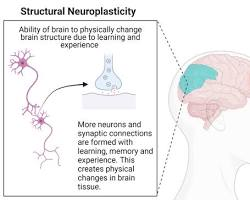
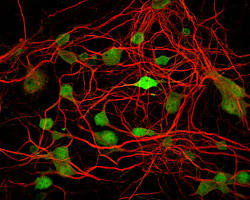
The brain is made up of billions of nerve cells called neurons. These specialized cells act as the primary communication network of your nervous system, sending electrical and chemical signals across your body to manage everything from basic survival functions to complex abstract thoughts.
These neurons communicate through specialized connections called synapses. Neural plasticity happens when these pathways structurally change based on your daily activities:
- Strong connections between neurons become stronger: Frequently traveled pathways develop thicker insulation and more receptors to handle intense signal traffic.
- Weak or unused connections become less active: Neglected pathways are gradually pruned away by the body to save energy.
- New connections form based on experience: Fresh synaptic branches sprout to connect neurons when you tackle a new challenge.
This process helps the brain become more efficient at handling tasks we repeat often. By automating regular tasks, your brain frees up valuable processing power, allowing you to execute complex routines with less conscious effort over time.
📊 The Synaptic Remodeling Pipeline
To understand how your daily actions and repetitions physically alter your brain’s cellular connections—strengthening active paths and phasing out unused ones—review this operational flowchart:
THE PATHWAY REMODELING AXIS
                        [New Skill or Experience Introduced]
                                         │
                                         ▼
                     [Initial Neural Signaling Triggered]
                     (Requires High Mental Effort & Glucose)
                                         │
         ┌───────────────────────────────┴───────────────────────────────┐
         ▼                                                               ▼
[Consistent Daily Repetition]                                  [Neglect & Inactivity]
 ──► High-Frequency Synaptic Firings                            ──► Low-Frequency Signal Traffic
 ──► Myelin Sheath Layering Thickens                            ──► Microglia Identify Stagnant Paths
 ──► Pathways Become Automatic                                  ──► Unused Synapses Safely Pruned
         │                                                               │
         ▼                                                               ▼
[PERMANENT PATHWAY STRENGTH]                                   [PATHWAY DISSOLUTION]
(High Efficiency & Fast Recall)                               (Resources Reallocated Elsewhere)
Why Neural Plasticity Is Important
Neural plasticity plays an important role in several core areas of human behavior and wellness, serving as the biological engine behind personal growth and physical recovery:
1. Learning
It helps us acquire new skills such as reading, writing, or playing music. When you first attempt a new task, the signal path is unstable and slow, but consistent practice builds a smooth, high-speed neural highway.
2. Memory Formation
Repeated experiences help the brain store and recall information. The structural changes that happen at your synapses alter how memories are held, making it easier for you to access stored knowledge when you need it.
3. Adaptation
The brain adjusts to new environments and situations. Whether you are moving to a new city, shifting your work hours, or learning to navigate a different lifestyle routine, your neural networks rearrange themselves to handle the new demands.
4. Recovery
After injury, the brain can sometimes reorganize to support lost functions. If a specific area of the brain is damaged, healthy surrounding tissues can often learn to take over those tasks, showcasing the deep resilience of the nervous system.
How Learning Shapes the Brain
When you practice something repeatedly, you are actively directing the physical construction of your brain. This ongoing structural updates ensure that your mind adapts directly to the specific demands of your daily life.
As a result of this intentional focus:
- The related neural pathways become stronger over time.
- The brain becomes more efficient at that task, consuming less metabolic energy.
- The action can become more automatic over time, turning complex movements into natural habits.
This is why practice and repetition are important in learning. You cannot build a deep, stable neural network from a single exposure; true structural change requires showing up consistently to reinforce those pathways.
Understanding Systemic Metabolic Links
Your brain’s ability to adapt and build new neural pathways does not happen in a vacuum; it is completely dependent on your body’s broader metabolic health and energy balance. When your physical health is stable, your brain has the clean energy lines it needs to execute complex remodeling tasks.
For example, blood sugar stability directly influences your brain’s processing capacity. If your diet is full of highly processed foods that cause sharp glucose spikes and sudden crashes, your brain cells experience rapid energy shortages. These fuel drops can cause brain fog and interfere with your synapses’ ability to form new connections cleanly.
Similarly, a chronic stress response acts as a direct roadblock to healthy neural adaptation. When unmanaged worries keep your nervous system in a constant fight-or-flight state, your body pumps out stress hormones that prioritize short-term survival over long-term cellular upgrades. Giving your system regular opportunities to relax lowers these alert signals, protecting your brain’s natural capacity to grow and learn.
Factors That Influence Brain Adaptation
Several lifestyle factors can influence how the brain adapts, directly altering the rate and quality of your synaptic remodeling over time:
- Learning new skills: Challenging your mind with complex tasks like languages or puzzles keeps your neural pathways active.
- Mental stimulation: Engaging in deep analytical work or creative pursuits encourages the growth of new connections.
- Quality sleep: Deep rest gives your brain the essential window it needs to clear away metabolic waste and permanently organize memories.
- Physical activity: Consistent exercise spikes blood flow to your brain, delivering vital oxygen and nutrients that support cellular health.
- Social interaction: Sharing meaningful conversations and working with others places healthy cognitive demands on your nervous system.
These factors support general brain health and cognitive performance, helping you maintain an adaptable, resilient mind at every stage of life.
Simple Ways to Support Brain Health
Research suggests that certain daily habits may support healthy brain function and encourage natural adaptation over time. Your nervous system thrives on steady, balanced choices rather than aggressive, short-term trends.
To keep your mind sharp and adaptable, consider focusing on these core areas:
- Staying mentally active: Reading, writing, or solving complex problems regularly to keep your attention networks sharp.
- Learning new skills: Stepping outside your comfort zone to build entirely new neural pathways.
- Getting enough rest: Sticking to a consistent sleep schedule so your brain can complete its nightly maintenance cycles.
- Managing stress: Practicing deep breathing exercises or taking structured breaks to calm an overstimulated nervous system.
- Staying physically active: Moving your body daily to support healthy circulation and metabolic efficiency.
You may also explore:
Neural Plasticity Across the Lifespan
For many years, it was believed that the brain only changed during childhood. Early scientific models assumed that once you reached adulthood, your neural connections became completely fixed and would slowly degrade over time.
However, research now shows that the brain remains adaptable throughout life, although the rate of change may vary with age. While a child’s brain is naturally highly flexible to help them learn about the world quickly, an adult brain retains a powerful ability to adjust its synapses based on effort and lifestyle choices. This means learning and development are possible at any stage of life.
Common Misunderstandings
Online health discussions frequently misinterpret the science of brain adaptation. Here are some critical, research-backed clarifications to keep your approach grounded:
- “The brain stops changing after a certain age” $\rightarrow$ Not true: Your brain retains the capacity to forge new connections and adjust its pathways throughout your entire life.
- “Learning changes the brain instantly” $\rightarrow$ Changes take time: While a single experience triggers temporary chemical shifts, building lasting structural changes requires consistent repetition over weeks.
- “Only special people have high brain plasticity” $\rightarrow$ Everyone has it: Neuroplasticity is a fundamental feature of the human nervous system, built into every living brain from birth.
Final Thoughts
Neural plasticity shows that the brain is flexible and capable of change. It serves as a reminder that your mental habits, focus capacities, and physical skills are not unalterable traits, but rather ongoing reflections of your daily routines.
Through learning, experience, and repetition, the brain continuously adapts and improves its efficiency. Understanding this concept helps explain how people learn, grow, and adjust throughout life. By taking care of your sleep structure, keeping your body active, and regularly challenging your mind with new skills, you give your brain the ideal environment to stay sharp, clear, and resilient for years to come.
Frequently Asked Questions (FAQ)
1. What is the difference between structural and functional neuroplasticity?
Structural plasticity refers to your brain’s ability to physically alter its shape or grow new synaptic connections based on experience. Functional plasticity occurs when your brain moves specific processing tasks from a damaged or underused area to a completely healthy section of tissue.
2. How does a single night of poor sleep affect my ability to learn new things?
Skipping your necessary sleep window prevents your brain from completing its deep structural repair cycles. This leaves your neural pathways cluttered with metabolic debris the next day, making it significantly harder for your synapses to build fresh connections cleanly.
3. Why does task-switching make it harder for the brain to build strong memories?
When you switch rapidly between tasks, you create attention residue, leaving a portion of your brain’s processing power stuck on the previous activity. This prevents your prefrontal cortex from focusing fully, meaning it cannot signal your synapses to build strong, stable memory paths.
4. Can physical exercise improve my brain’s natural capacity to adapt?
Yes, regular physical movement boosts circulation, sending a fresh supply of oxygen and nutrients to your brain. This support encourages the release of natural growth factors that help your neurons sprout new branches and build healthier, more resilient connections.
5. How long does it take for a new behavior to become an automated brain habit?
While temporary chemical adjustments happen quickly, building permanent structural changes along your neural pathways typically requires several weeks of daily repetition. Staying consistent is key to turning a new behavior into a natural, automatic habit.
⚠️ Disclaimer
This article is for educational purposes only and does not provide medical advice. If you have concerns about cognitive health, always consult a qualified healthcare professional.
📚 References
- Britannica: Comprehensive overviews of neural plasticity, synaptic remodeling, and brain adaptation.
- Cleveland Clinic: Clinical insights into neuroplasticity, cognitive aging, and nervous system resilience.
- Harvard Health Publishing: Research on how sleep, movement, and mental stimulation shape adult brain networks.
- American Psychological Association (APA): Behavioral data tracking memory formation, practice repetition, and habit loops.