

Which daily habit feels easiest for you to begin right now? Living with diabetes can feel overwhelming when every meal, routine, or daily choice seems stressful. Many people believe diabetes management must be strict, exhausting, and full of constant worry. In reality, long-term balance often comes from calm, consistent daily habits rather than pressure or perfection.
Understanding daily habits that help control diabetes allows you to focus on what truly matters — steady routines that fit real life. This guide is designed for beginners and anyone looking for a stress-free approach to daily diabetes care. From my experience, simple habits that feel manageable are far easier to follow consistently and support better overall wellness over time.
This article is regularly updated to reflect current wellness practices in 2026.
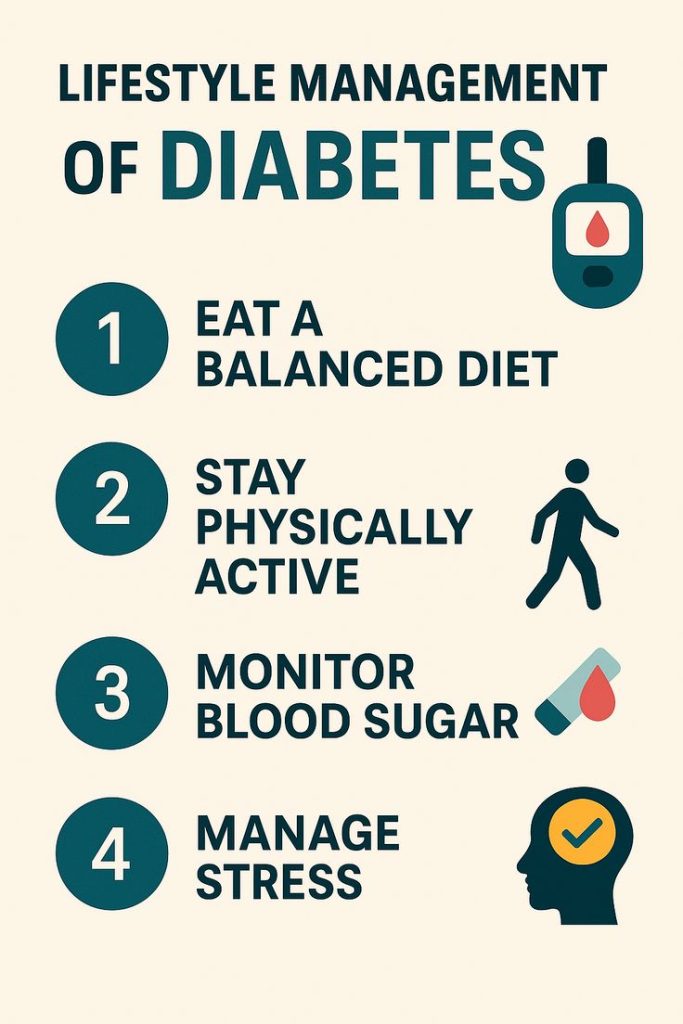
Who This Guide Is For
- People managing diabetes in daily life
- Beginners seeking simple lifestyle support
- Anyone feeling stressed by rigid diabetes routines
Who Should Be Careful
- Those with specific medical conditions should seek personalized guidance alongside lifestyle habits
Why Diabetes Management Often Feels Stressful
Diabetes management often becomes stressful because people try to change everything at once. Strict diets, extreme routines, and constant monitoring can create fear and frustration.
Many struggle because daily life doesn’t always allow perfect planning. Skipped meals, poor sleep, emotional stress, and irregular schedules make diabetes care feel like a burden. What usually goes wrong is focusing on control instead of balance, which increases stress rather than supporting long-term wellness.
Daily Habits That Help Control Diabetes – What Actually Helps
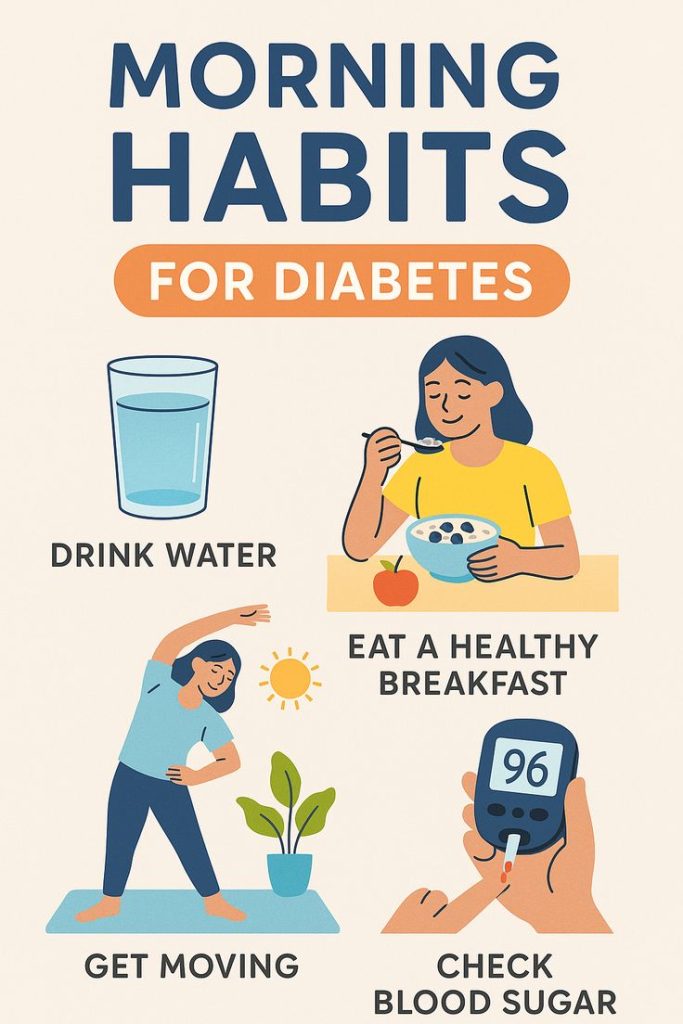
1️⃣ Maintain Consistent Meal Timing
What it really means (deep explanation):
Consistent meal timing means training your body to expect food at roughly the same times every day. Instead of eating randomly or skipping meals when busy, you create a predictable rhythm. Your body likes routine — just like sleep, digestion also works best with timing.
How to practice it in real life:
You don’t need exact clock timing. Even a 30–60 minute window works.
- Breakfast within a similar morning window
- Lunch around the same afternoon time
- Dinner not too late at night
If hunger appears between meals, a light snack is okay. The key is not skipping meals, especially breakfast or lunch, which often leads to overeating later.
Why this fits daily life:
Once you follow a routine for a few days, your body naturally adapts. Hunger cues become clearer, and decision fatigue reduces because you’re not constantly thinking about when to eat.
Why it helps (in simple terms):
Regular meal timing supports stable energy throughout the day and reduces unnecessary ups and downs caused by irregular eating patterns.
2️⃣ Build Balanced Plates Without Obsession
What it really means:
Balanced eating is not about strict rules or perfect nutrition. It simply means your meals include:
- Some vegetables or fruits
- A source of protein
- A source of carbohydrates
This approach avoids extremes like cutting entire food groups or counting every bite.
How to do it practically:
Instead of stressing over exact measurements:
- Fill half your plate with vegetables when possible
- Add a moderate portion of protein
- Include carbs without guilt
You don’t need to eat perfectly at every meal. Balance over the day or week matters more than a single plate.
Why this fits daily life:
This method reduces food anxiety. You eat what’s available at home, adjust portions gently, and move on without guilt.
Why it helps:
Balanced meals provide steady nourishment, helping you feel satisfied and mentally relaxed around food — which supports consistency.
3️⃣ Move Your Body Gently Every Day
What it really means:
Movement doesn’t have to mean intense workouts. Gentle daily movement keeps your body active without exhaustion. This includes walking, light stretching, or slow mobility exercises.
How to do it realistically:
- 10–20 minutes is enough
- Walk after meals if possible
- Stretch while watching TV
- Choose movement that feels comfortable
No special equipment or gym is required.
Why this fits daily life:
Gentle movement is easy to maintain even on busy days. It doesn’t feel like a burden, which makes it more sustainable.
Why it helps:
Regular light movement supports daily energy balance, helps prevent stiffness, and keeps the body active without stress.
4️⃣ Manage Stress Before It Builds Up
What it really means:
Stress doesn’t always show up suddenly — it builds quietly. Managing stress daily prevents it from reaching overwhelming levels.
How to do it simply:
- Pause for slow breathing
- Take short quiet breaks
- Step away from screens
- Sit silently for a few minutes
These small pauses act like a reset button.
Why this fits daily life:
You don’t need special tools or long sessions. Even 2–5 minutes between tasks can make a difference.
Why it helps:
Daily stress affects both mental and physical balance. Gentle stress release supports calm routines and better long-term consistency.
I have seen this work for many people when followed consistently.
5️⃣ Prioritize Quality Sleep
What it really means:
Quality sleep is not only about duration but also routine. Sleeping and waking at similar times trains your body to rest better.
How to support better sleep:
- Fix a bedtime window
- Reduce screen use before bed
- Create a calm wind-down routine
Even small changes improve sleep quality over time.
Why this fits daily life:
A simple night routine becomes automatic after a few days, making sleep easier without effort.
Why it helps:
Sleep supports physical recovery, mental clarity, and emotional balance, which are essential for long-term health support.
6️⃣ Stay Hydrated Throughout the Day
What it really means:
Hydration is about consistency, not forcing large amounts of water at once.
How to do it naturally:
- Take small sips regularly
- Keep water nearby
- Reduce sugary drinks gradually
Listening to thirst signals helps maintain comfort.
Why this fits daily life:
Carrying a bottle or keeping water visible makes hydration effortless.
Why it helps:
Proper hydration supports digestion, comfort, and overall daily balance.
7️⃣ Track Progress Without Pressure
What it really means:
Tracking doesn’t mean strict monitoring or constant checking. It means gentle awareness.
How to do it calmly:
- Reflect once a week
- Notice patterns in energy, mood, or routine
- Avoid daily obsession
The goal is learning, not judging.
Why this fits daily life:
Weekly reflection takes only a few minutes and removes pressure from daily habits.
Why it helps:
Reduced pressure makes habits easier to maintain long term, supporting consistency and balance.
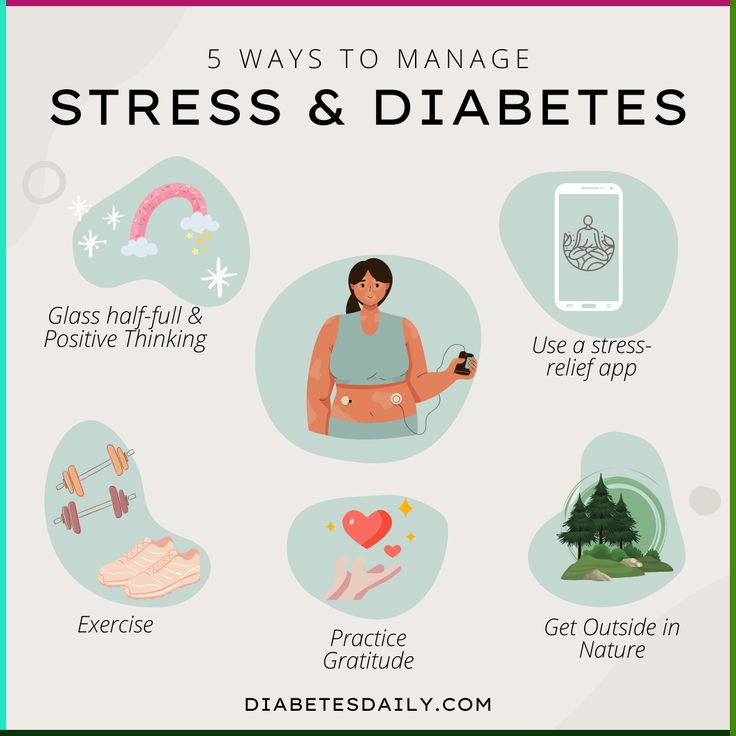
Reality Check
- Results vary from person to person
- Small steps matter more than strict rules
- Consistency supports long-term chronic health
Quick Reference Table / Checklist
| Habit | How Often | Beginner-Friendly |
| Consistent meals | Daily | Yes |
| Balanced plates | Daily | Yes |
| Gentle movement | Daily | Yes |
| Stress management | Daily | Yes |
| Quality sleep | Daily | Yes |
| Hydration | Daily | Yes |
| Progress awareness | Weekly | Yes |
What Results Can You Expect Over Time?
Following these daily habits that help control diabetes may help improve daily stability, can support reduced stress, and often improves overall quality of life when practiced consistently.
Final Takeaway
Diabetes care does not have to feel stressful or overwhelming. Calm, consistent daily habits support long-term balance better than extreme routines. Focus on progress, not perfection, and allow your lifestyle to work with you, not against you.
Small Steps Matter
Start with just one habit today. You may also explore other LifeSyncWell chronic health guides or bookmark this article for daily reference.
Also read : How to Manage Chronic Health Conditions Naturally and Safely
How to Build a Daily Wellness Routine That Actually Sticks
How to Improve Senior Wellness Naturally : 7 Simple Daily Habits
6 Simple Daily Habits to Strengthen Family Wellness
How to Reduce Stress Naturally in Just 10 Minutes (Simple Daily Techniques)
How to Boost Women’s Energy Levels Naturally:5 Daily Habits
How to Build a Healthy Daily Routine : 7 Simple Steps for Better Wellness
10 Simple Daily Wellness Habits to Improve Your Overall Health Naturally
9 Simple Lifestyle Habits to Improve Daily Wellness Naturally
8 Proven Ways to Build Fitness Consistency Without Burning Out
Morning vs Evening Routines: Which Is Better for a Healthy Lifestyle?
7 Morning Habits That Boost Mental Wellness and Reduce Daily Stress Naturally
Frequently Asked Questions
Q1: Can daily habits really help manage diabetes?
A: Consistent lifestyle habits can support overall daily balance when followed regularly.
Q2: Do I need strict routines for diabetes control?
A: Gentle, sustainable routines are often easier to maintain long term.
Q3: Are these daily habits that help control diabetes suitable for beginners?
A: Yes, they are designed to fit simple daily life without pressure.7 Daily Habits That Help Control Diabetes Without Stress