

Simple Daily Practices That Improve Mental Clarity and Reduce Stress : Which of these habits feels easiest for you to start today? In today’s fast-paced world, mental fog and chronic stress have become almost “normal.” Constant notifications, multitasking, lack of sleep, and poor lifestyle habits slowly drain cognitive energy and emotional resilience.
The good news? You don’t need a dramatic life overhaul to think clearly and feel calmer. Small, consistent daily practices can significantly improve focus, emotional balance, and overall mental performance. Some days start with good intentions — but quickly turn into mental overload. Notifications buzz, tasks pile up, and by afternoon your focus feels scattered. If this sounds familiar, you’re not alone.
Learning how to support mental clarity and reduce stress doesn’t require drastic lifestyle changes. Often, it’s small, repeatable habits that make the biggest difference.
This guide is for anyone who feels mentally drained, easily distracted, or emotionally overwhelmed during daily life. From my experience, simple habits like this are easier to maintain and far more sustainable long-term.
This article is regularly updated to reflect current wellness practices in 2026.
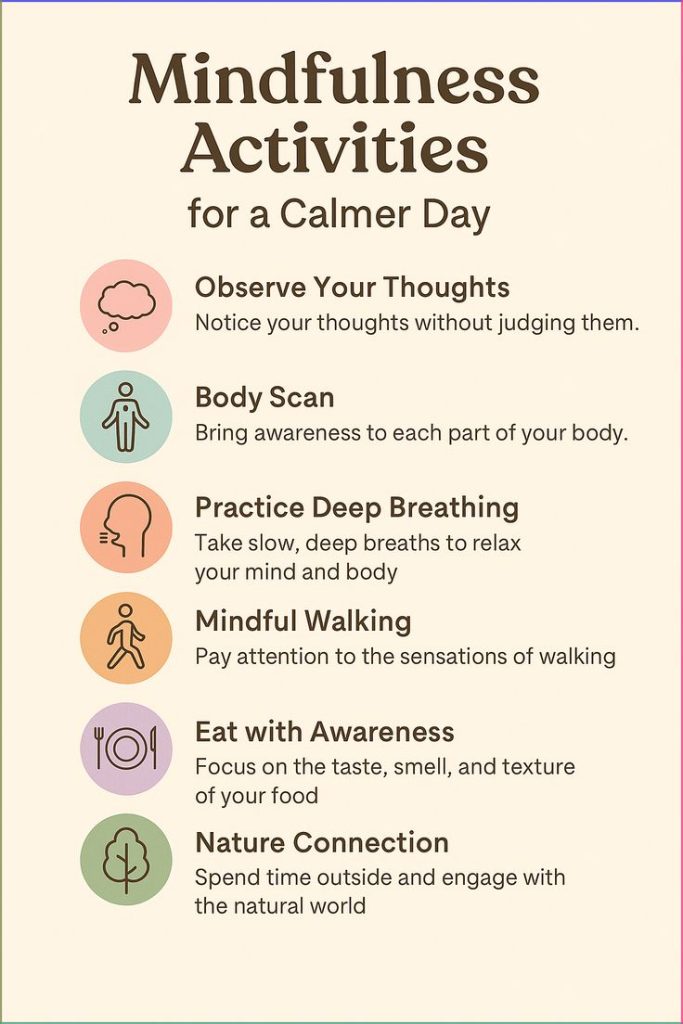
Who This Guide Is For
- People looking for simple daily wellness habits
- Beginners who want sustainable routines
- Busy professionals feeling mentally overloaded
- Anyone wanting better focus without extreme changes
Who Should Be Careful
- Those with specific medical conditions should seek personal guidance
- Individuals currently under clinical treatment for anxiety or depression
Why Mental Fog and Stress Are So Common Today
Modern life constantly demands attention. We multitask, scroll late at night, skip breaks, and consume more information than ever before.
What happens?
- The brain rarely rests
- Stress hormones stay elevated
- Sleep quality declines
- Focus becomes fragmented
Most people struggle because they try quick fixes instead of building supportive daily systems. Mental clarity isn’t about doing more — it’s about reducing unnecessary overload.
Mental Clarity and Reduce Stress – What Actually Helps
1. Start the Morning Without Screens
What it is:
This means avoiding your phone, emails, news apps, or social media for the first 20–30 minutes after waking up.
Why this matters more than you think:
When you immediately check your phone, your brain shifts from a calm, rested state into reactive mode. Messages, headlines, and notifications instantly demand attention. This early stimulation can increase mental tension before your day even begins.
Over time, this habit trains your brain to start each morning in urgency rather than clarity.
How to do it realistically:
- Charge your phone outside the bedroom.
- Use a simple alarm clock if needed.
- Drink a glass of water first.
- Spend 5 minutes stretching or sitting quietly.
- Think about your top 1–3 priorities for the day.
How it fits into daily life:
You’re not adding something new — you’re simply delaying digital input.
Why it helps:
This protects your early mental bandwidth and allows your mind to wake up naturally. Many people notice they feel calmer and more focused throughout the day when mornings are not rushed by notifications.
2. Practice Structured Breathing
What it is:
A simple breathing pattern practiced for about five minutes to calm the nervous system.
How to do it:
- Inhale slowly for 4 seconds
- Hold for 4 seconds
- Exhale gently for 6–8 seconds
- Repeat for 5 minutes
The longer exhale is key — it encourages relaxation.
Where it fits into daily life:
- After waking up
- Before an important meeting
- During a stressful moment
- As part of your night routine
You don’t need a special app or equipment. Just sit comfortably and focus on your breath.
Why it helps:
When stress builds up, breathing often becomes shallow and fast. Slow breathing signals your body that you are safe. This may support emotional balance and clearer thinking.
I have seen this work for many people when followed consistently.
3. Single-Task Instead of Multitask
What it is:
Focusing on one task at a time for a dedicated block (30–50 minutes).
Why multitasking causes mental fog:
Switching between tasks forces your brain to constantly reset attention. This increases cognitive fatigue and reduces work quality. It may feel productive — but often creates more stress.
How to apply single-tasking:
- Choose one clear task.
- Set a timer for 30–50 minutes.
- Silence notifications.
- Avoid opening new tabs or apps.
- Take a short break afterward.
How it fits daily life:
Use this method for emails, writing, studying, or any focused work.
Why it helps:
Single-tasking reduces mental overload and improves clarity. Many people find they complete tasks faster and feel less exhausted at the end of the day.
4. Move Your Body Gently
What it is:
Daily light movement — not intense exercise unless you prefer it.
Options:
- 20-minute walk
- Gentle yoga
- Mobility exercises
- Light stretching
- Simple home workouts
Where it fits:
Morning walk, lunch break, or evening wind-down.
Why it helps:
Movement increases circulation and helps release built-up tension from long sitting hours. It also provides a mental reset from screens and responsibilities.
You don’t need perfection. Even 10–20 minutes consistently can support mental refreshment.
5. Eat for Stable Energy
What it is:
Balanced meals that prevent sharp energy spikes and crashes.
What balanced looks like:
- Protein (eggs, lentils, yogurt, tofu)
- Fiber (vegetables, whole grains)
- Healthy fats (nuts, seeds, olive oil)
What to limit:
- Excess sugar
- Skipping meals
- Large caffeine intake on an empty stomach
Why it helps:
Sudden drops in blood sugar can increase irritability and reduce concentration. Stable nutrition supports stable focus.
Small adjustments — like adding protein to breakfast — can make noticeable differences in mental steadiness.
6. Schedule Mental Breaks
What it is:
Planned short breaks every 60–90 minutes.
What to do during breaks:
- Stand up
- Stretch your shoulders and neck
- Look away from screens
- Take 10 slow breaths
- Step outside briefly if possible
Why it matters:
The brain is not designed for continuous, hours-long focus. Without breaks, mental fatigue builds quietly.
Why it helps:
Short pauses allow your attention system to reset. This supports long-term productivity and reduces burnout risk.
Think of breaks as maintenance — not laziness.
7. Create a Night Wind-Down Ritual
What it is:
A consistent 30-minute calming routine before sleep.
Examples:
- Reading a physical book
- Gentle stretching
- Journaling
- Herbal tea
- Light breathing practice
What to avoid:
- Scrolling social media in bed
- Watching intense content late at night
- Bright screens right before sleep
Why it helps:
Your brain needs transition time between activity and rest. A wind-down ritual signals safety and predictability to your nervous system.
Better sleep quality often supports better mental clarity the next day.
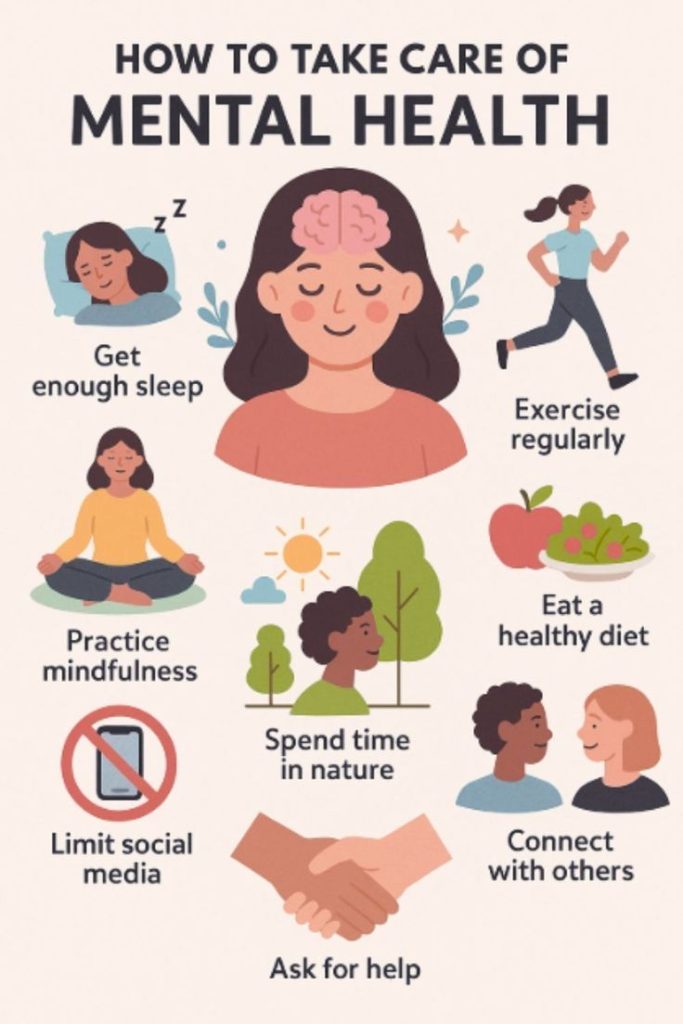
Reality Check
- Results vary from person to person
- Small steps matter more than quick changes
- Consistency supports long-term wellness
- Mental clarity improves gradually, not instantly
Quick Reference Table / Checklist
| Habit / Tip | How Often | Beginner-Friendly |
| Screen-free morning | Daily | Yes |
| Deep breathing | Daily | Yes |
| Single-task focus | Work hours | Yes |
| Gentle movement | 20 min daily | Yes |
| Balanced meals | Daily | Yes |
| Mental breaks | Every 90 mins | Yes |
| Night routine | Daily | Yes |
What Results Can You Expect Over Time?
With consistency, these habits may help:
- Improved concentration
- More emotional balance
- Reduced feelings of overwhelm
- Better sleep quality
- Clearer decision-making
They don’t promise instant transformation — but they can support steady improvement.
Final Takeaway
Mental clarity isn’t about doing more — it’s about protecting your energy.
Daily stress doesn’t disappear overnight.
But small, repeatable habits create stability.
Focus on progress, not perfection.
Your mind benefits from consistency, not intensity.
Small Steps Matter
Start with one habit today.
Bookmark this guide for later.
Explore another LifeSyncWell post to continue building your routine.
Also read : How to Manage Chronic Health Conditions Naturally and Safely
How to Build a Daily Wellness Routine That Actually Sticks
How to Improve Senior Wellness Naturally : 7 Simple Daily Habits
6 Simple Daily Habits to Strengthen Family Wellness
How to Reduce Stress Naturally in Just 10 Minutes (Simple Daily Techniques)
How to Boost Women’s Energy Levels Naturally:5 Daily Habits
How to Build a Healthy Daily Routine : 7 Simple Steps for Better Wellness
10 Simple Daily Wellness Habits to Improve Your Overall Health Naturally
9 Simple Lifestyle Habits to Improve Daily Wellness Naturally
8 Proven Ways to Build Fitness Consistency Without Burning Out
Frequently Asked Questions
Q1: How long before I notice changes?
A: Some people feel subtle improvements within a few weeks when practicing consistently.
Q2: Can these habits really support mental clarity and reduce stress?
A: Yes, daily routines that limit overload and support rest can gradually improve mental clarity and reduce stress.
Q3: Do I need to follow all 7 habits?
A: No. Start with 1–2 and build gradually.