

Introduction
As people age, the body undergoes many natural biological changes. One area of ongoing scientific research involves cells known as senescent cells, which are cells that have stopped dividing but remain active within tissues. Far from being an inert or silent presence, these cellular networks interact continuously with their surrounding microscopic environments, acting as a dynamic point of interest in modern biology. Every tissue in your body experiences complex biological shifts over time, requiring a balanced internal framework to navigate normal cellular progression.
Researchers are studying how these cells interact with normal aging processes and overall cellular health. While this field has generated significant scientific interest, many questions remain under investigation. Rather than looking at these mechanisms as an isolated switch for longevity, a grounded, analytical approach looks at how they integrate into the body’s wider metabolic and operational lines. You can learn more from trusted scientific resources such as the National Human Genome Research Institute and the National Institutes of Health.
During my 6+ years working within clinical public health systems and primary health centres, including NRHM facilities, evaluating patterns of chronic physiological decline and counseling communities on evidence-based health was a daily operational reality. In busy primary health settings, we frequently encountered individuals seeking quick-fix solutions or experimental therapies to reverse the natural markers of long-term physical fatigue. They were often willing to try unverified online longevity trends, completely overlooking the deep structural strain caused by years of chronic sleep deficits, poor nutrition, and unmanaged daily stress.
What my public health background taught me is that cellular resilience cannot be sustained by chasing emerging scientific trends before the data is mature. Your body’s internal systems depend entirely on a steady, predictable lifestyle framework to support healthy tissue function over a lifespan. To give your cells the best possible environment to manage ongoing stress, you must first establish a dependable daily routine built on restorative sleep, regular physical movement, and balanced nutrition from the ground up.
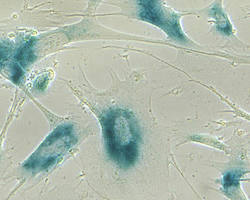
What Are Senescent Cells?
Cells normally grow, divide, and perform specific functions. They act as the living building blocks of your organs, maintaining a highly regulated lifecycle to keep your body’s internal systems running smoothly.
Over time, some cells enter a state known as cellular senescence, where they stop dividing but remain present within tissues. Instead of undergoing the standard process of cellular clearing or self-destruction, these cells shift into a permanent retirement from replication while remaining metabolically active.
Scientists believe this process serves important biological purposes, including helping the body respond to cellular damage and stress. In a normal physiological setting, this pause in division acts as a vital protective boundary, preventing damaged cells from replicating uncontrollably. Cellular senescence is considered a normal part of aging and is an active area of biomedical research.
Why Do Researchers Study Senescent Cells?
Researchers study senescent cells because they may play a role in how tissues change over time. As these non-dividing cells accumulate naturally within various body systems, scientists seek to understand how their ongoing activity influences neighboring cells.
Current research explores topics such as:
- Healthy aging: Tracking how cellular structures adapt to the passage of time across a normal human lifespan.
- Cellular maintenance: Investigating how the body balances cell division with cellular pauses to protect tissue integrity.
- Tissue function: Mapping how the accumulation of non-replicating cells alters the day-to-day operations of major organs.
- Biological adaptation: Studying how cells adjust their internal programming when exposed to long-term environmental or physical stressors.
Scientists continue investigating how senescent cells interact with other systems in the body and what these interactions may mean for long-term health.
📊 The Cellular Senescence Pathways
To understand how your underlying health habits and everyday demands influence whether your cells maintain smooth internal balance or shift into an early defensive state, review this operational flowchart:
THE CELLULAR PATHWAY AXIS
                     [Normal Everyday Biological Stress]
                                      │
         ┌────────────────────────────┴────────────────────────────┐
         ▼                                                         ▼
[Fragmented Habits / High Systemic Strain]          [Balanced Habits / Low Systemic Strain]
 ──► Unmanaged Cortisol & Chronic Stress             ──► Active Stress Resilience Practices
 ──► Severe, Ongoing Sleep Deficits                  ──► Consistent Deep Sleep Windows
 ──► Low Movement & Minimal Activity                 ──► Regular Physical Activity & Exercise
         │                                                         │
         ▼                                                         ▼
  [ACCELERATED CELLULAR STRESS]                        [BALANCED TISSUE ENVIRONMENT]
(Cells Transition to Senescent State)                (Normal Housekeeping & Maintenance)
         │                                                         │
         ▼                                                         ▼
[Altered Intracellular Environments]                  [Efficient Systemic Adaptations]
What Are Senolytics?
The term senolytics refers to compounds being studied in research settings for their potential interactions with senescent cells. The core concept behind this research is to discover how specific molecules might help the body navigate or manage the accumulation of these non-dividing cells.
It is important to understand that much of this work remains under scientific investigation. Many findings come from laboratory and animal studies, while researchers continue evaluating potential applications in humans. Because this field is still developing, strong conclusions cannot yet be drawn about many proposed uses. Attempting to apply early laboratory observations directly to everyday human wellness without clinical trial verification introduces unnecessary uncertainty to your health routine.
Understanding Systemic Metabolic Connections
Your cellular health and natural aging pathways do not operate in isolation; they are deeply intertwined with your body’s broader metabolic networks, hormonal balance, and daily habits. When your lifestyle choices support your biological rhythms, your cells can perform their routine maintenance tasks with minimal systemic friction.
For instance, blood sugar stability directly influences your cellular environment. If your diet is consistently high in processed foods that cause sharp glucose spikes and sudden crashes, it can overwhelm your cells with a sudden flood of metabolic fuel. Over time, this constant oversupply creates an inflammatory environment that can place extra stress on delicate cellular pathways, forcing cells to adapt to harsh conditions.
Similarly, a chronic stress response acts as a direct roadblock to healthy cellular maintenance. When unmanaged worries keep your nervous system in a constant fight-or-flight state, your body pumps out stress hormones that prioritize short-term survival over long-term tissue repair and cellular housekeeping. Giving your system regular opportunities to rest and unwind lowers these alert signals, protecting your cells’ natural capacity to maintain baseline stability.
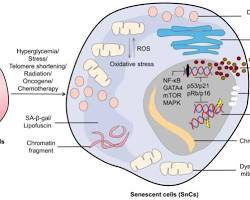
What Does Current Research Show?
Research into senescent cells and senolytics is growing rapidly. As biotechnology and cellular mapping tools become more advanced, scientists can observe these microscopic processes with unprecedented clarity.
Currently, scientists are actively studying:
- Cellular aging processes: Exploring the precise genetic triggers that instruct a cell to stop dividing.
- Tissue health: Investigating how different organs, from the skin to the kidneys, manage senescent cell accumulation.
- Biological resilience: Mapping how a robust system maintains metabolic efficiency even as cellular structures alter over time.
- Age-related changes: Tracking the structural variations that occur across different physiological systems as the years pass.
However, researchers emphasize that many questions remain unanswered. Scientific understanding continues to evolve as additional human studies become available, meaning that baseline lifestyle consistency remains far more dependable than experimental shortcuts.
Common Misunderstandings
Online wellness forums frequently oversimplify or misinterpret the early stages of biomedical research. Here are some critical, research-backed clarifications to keep your approach to cellular health grounded:
- Myth: Senolytics reverse aging $\rightarrow$ Not supported by data: There is currently no proven method that reverses human aging. Aging is a complex process influenced by genetics, lifestyle, environment, and numerous biological factors.
- Myth: Removing senescent cells guarantees better health $\rightarrow$ An oversimplification: Current research does not support such broad conclusions. Human biology is highly complex, and scientists continue studying these mechanisms to understand both the benefits and potential downsides of altering these pathways.
- Myth: Senolytic compounds are proven longevity treatments $\rightarrow$ Experimental only: Most claims found online go far beyond current scientific evidence. Many proposed interventions remain experimental or under investigation, and lack large-scale human validation.
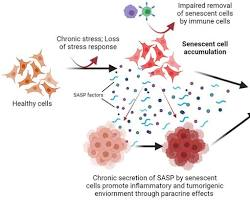
Healthy Aging: What We Know Today
While research into senescent cells continues, scientists consistently support several lifestyle habits that contribute to overall health. Your metabolic and nervous systems thrive on steady, natural lifestyle signals that naturally provide your cells with the ideal environment to stay resilient.
To build a reliable foundation for long-term well-being, focus on these established areas:
- Regular Physical Activity: Movement supports cardiovascular, muscular, and metabolic health, helping to stimulate natural cellular renewal channels.
- Balanced Nutrition: A varied diet provides nutrients needed for normal bodily functions, supplying essential building blocks without overloading your metabolic pathways.
- Quality Sleep: Sleep supports physical recovery and overall well-being, serving as your body’s primary nightly window for baseline systemic repair.
- Stress Management: Managing stress is associated with better long-term health outcomes, preventing chronic cortisol spikes from disrupting cellular equilibrium.
- Preventive Healthcare: Regular medical checkups can help identify and address health concerns early, providing clear, personalized insight into your ongoing health needs.
🔍 Internal Learning Focus Areas
To see how these fundamental lifestyle habits work together to protect your nervous system from exhaustion and support your body’s natural recovery processes, consider exploring these related guides on our site:
- How to Manage Chronic Health Conditions Naturally and Safely
- How to Build a Daily Wellness Routine That Actually Sticks
- How to Improve Senior Wellness Naturally : 7 Simple Daily Habits
- 6 Simple Daily Habits to Strengthen Family Wellness
- How to Reduce Stress Naturally in Just 10 Minutes (Simple Daily Techniques)
- How to Boost Women’s Energy Levels Naturally:5 Daily Habits
- How to Build a Healthy Daily Routine : 7 Simple Steps for Better Wellness
Understanding Emerging Health Research
Scientific discoveries often receive significant media attention before long-term evidence becomes available. Headlines frequently highlight early laboratory or animal data using sensationalized terminology that masks the actual state of the science.
When evaluating emerging health information, it is highly helpful to:
- Look for evidence from reputable, peer-reviewed institutions rather than relying on commercial marketing material.
- Understand that early research is dynamic and may change significantly over time as more human data is collected.
- Avoid relying on unverified claims or over-the-counter products that promise dramatic, immediate health results.
- Focus on evidence-supported lifestyle habits that have been consistently shown to support human health safely and effectively.
This practical approach helps separate emerging science from exaggerated health claims, keeping your wellness investments focused on what truly moves the needle for your health.
Final Thoughts
Research on senescent cells and aging continues to be an important area of scientific study. It provides a fascinating look into how our cells manage stress, preserve genetic stability, and adjust to the natural passage of time.
Although scientists are learning more about cellular aging, many questions remain under investigation. For now, maintaining healthy lifestyle habits remains the most established approach to supporting overall health and well-being. By showing up consistently for your baseline physical needs—prioritizing deep sleep, routine movement, and nutrient-dense nutrition—you provide your body and its billions of cells with the ideal, stable framework to remain clear, strong, and beautifully resilient for years to come.
Frequently Asked Questions (FAQ)
1. What is the difference between cellular senescence and standard apoptosis?
Apoptosis is a highly regulated form of cell suicide where a damaged or unneeded cell cleanly dismantles itself to be cleared away by the immune system. Cellular senescence, by contrast, is a permanent state of growth arrest where the cell remains alive and active within the tissue without dividing.
2. How does a single night of severe sleep deprivation affect cellular repair networks?
Skipping your necessary sleep window deprives your body of its main nightly restorative phase. This immediate disruption stalls routine cellular housekeeping and metabolic clearing, leaving your tissues to manage background cellular stress with reduced physiological support the next day.
3. Why is it problematic to buy over-the-counter supplements marketed as “proven senolytics”?
Because the dietary supplement market does not undergo the same rigid pre-market testing required for pharmaceuticals, the safety and purity of these products can vary. Furthermore, since most senolytic research is still in experimental or animal testing phases, broad longevity claims are unproven in humans.
4. Can a diet consistently high in processed sugars influence cellular stress levels?
Yes. Chronic intake of highly refined sugars can cause sudden, sharp spikes in blood glucose that overwhelm your cells’ processing lines. This constant oversupply can generate excessive oxidative stress over time, creating a challenging internal environment that may prompt cells to enter an early protective arrest state.
5. How long does it take for a new exercise routine to show positive impacts on systemic resilience?
While initial genetic and cardiovascular signaling pathways activate during your very first workout, achieving measurable improvements in systemic resilience and cellular metabolic stability typically requires two to three weeks of consistent, regular physical activity.
⚠️ Disclaimer
This article is for educational purposes only and does not provide medical advice. Always consult a qualified healthcare professional regarding health concerns, treatments, or supplement use.
📚 References
- National Institute on Aging (NIA): Research updates on cellular senescence, age-related tissue changes, and longevity science.
- National Institutes of Health (NIH): Overviews of biomedical research, cellular repair mechanisms, and established healthy aging habits.
- Nature Medicine: Clinical reviews tracking the development of senolytic therapies, laboratory findings, and human trial statuses.
- Trends in Cell Biology: Institutional studies analyzing the protective roles of growth arrest and cellular responses to tissue damage.