
Introduction
Mitochondrial biogenesis is the process through which cells create new mitochondria. Far from being a rigid or static network, your cellular energy system functions as a highly dynamic grid that constantly expands or shrinks to match your physical workloads. Every movement you make, heavy workload you manage, and environmental shift you navigate directly signals your DNA to remodel its internal energy architecture.
Mitochondria are often called the “powerhouses” of the cell because they help produce the energy needed for normal bodily functions. Researchers study mitochondrial biogenesis because it helps explain how the body adapts to changes in energy needs, physical activity, and everyday biological processes. Rather than acting as an isolated cellular event, this adaptive process interfaces directly with your broader metabolism, determining how efficiently your body converts food into vitality. For general background, see the National Institutes of Health (NIH) and the National Human Genome Research Institute.
During my 6+ years working within clinical public health systems and primary health centres, including NRHM facilities, evaluating metabolic fatigue and counseling communities on cellular wellness was an everyday operational reality. In busy primary care settings, we frequently encountered individuals reporting chronic, unyielding physical exhaustion. They often turned to high-stimulant energy drinks or aggressive unverified supplementation trends to overcome their lethargy, completely ignoring the fact that their daily routines lacked the fundamental inputs required for cellular upkeep.
What my public health background taught me is that cellular resilience cannot be forced through quick fixes. When your lifestyle lacks regular physical movement, restorative sleep, and clean nutrition, your cells naturally phase out their energy infrastructure due to a lack of demand. Building long-term physical stamina requires a steady, predictable routine that lets your body know it needs to generate and maintain a robust energy network from the ground up.
What Are Mitochondria?
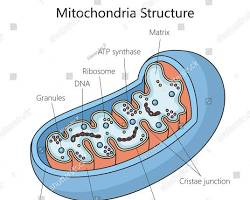
Mitochondria are small structures found inside most cells. They function as the primary metabolic engines of the human body, serving as specialized factories that execute the complex chemical steps needed to keep your systems running.
Their primary role is helping convert nutrients into usable cellular energy. Different tissues have different energy requirements, so some cells contain more mitochondria than others. High-demand examples include:
- Muscle cells: Requiring immediate, heavy streams of fuel to contract and support physical movement.
- Heart cells: Needing a non-stop, lifelong supply of energy to keep your circulation moving.
- Brain cells: Consuming a massive portion of your body’s daily glucose to manage focus, memory, and cognitive tasks.
- Liver cells: Demanding constant power to execute thousands of essential detoxification and metabolic processing jobs every minute.
Because these tissues require large amounts of energy to function properly, keeping their underlying cellular infrastructure healthy is vital for your overall physical performance.
What Is Mitochondrial Biogenesis?
Mitochondrial biogenesis refers to the creation of new mitochondria from existing mitochondria. Rather than assembling these structures completely from scratch, cells utilize a highly coordinated replication process to split and expand their existing networks.
This process helps maintain the body’s ability to meet changing energy demands. Scientists consider it one part of normal cellular maintenance and adaptation. According to research literature, mitochondrial biogenesis helps support cellular energy needs and contributes to maintaining mitochondrial function over time. When your body detects a sustained increase in physical or cognitive demands, it triggers specific signaling pathways that instruct your cells to reinforce their internal power grids.
📊 The Cellular Energy Adaptation Pathway
To understand how your daily choices and physical demands signal your DNA to build fresh energy infrastructure and expand your body’s metabolic capacity, review this operational flowchart:
THE CELLULAR UPGRADE AXIS
                     [Increased Physical or Energy Demand]
                                       │
                                       ▼
                     [Intracellular ATP Levels Decrease]
                     (Signals an Immediate Fuel Shortage)
                                       │
                                       ▼
                     [Master Signaling Pathways Activated]
                     (PGC-1α Triggers Genetic Replication)
                                       │
                                       ▼
                 [Mitochondrial Biogenesis Initiated]
             (Existing Powerhouses Divide & Replicate)
                                       │
         ┌─────────────────────────────┴─────────────────────────────┐
         ▼                                                           ▼
 [Expanded Network Capacity]                             [Systemic Maintenance]
──► Increased Oxygen Utilization                         ──► Damaged Components Cleared Out
──► Greater Fatty Acid Burning                           ──► Highly Stable Energy Production
         │                                                           │
         └─────────────────────────────┬─────────────────────────────┘
                                       │
                                       ▼
                 [Enhanced Metabolic Resilience & Stamina]
Why Is It Important?
Cells constantly adjust to changing conditions. When energy demands increase, the body may adapt through various biological processes, including mitochondrial biogenesis. Researchers study this process because it is deeply involved in:
- Energy production: Ensuring your tissues have a reliable stream of cellular fuel ($ATP$) to prevent sudden physical slumps.
- Physical adaptation: Helping your muscles grow stronger and more resilient in response to consistent exercise routines.
- Cellular maintenance: Allowing your body to systematically replace worn-out structures with fresh, highly efficient components.
- Healthy tissue function: Protecting major organs like your heart and brain from the long-term drag of energy shortages.
However, mitochondrial biogenesis is only one part of a much larger system involving nutrition, activity, sleep, and overall health. Forcing cellular adaptation through isolated protocols will not yield lasting results if your broader lifestyle architecture is fractured.
Understanding Systemic Metabolic Connections
Your cellular energy production does not operate in isolation; it is deeply intertwined with your body’s broader metabolic networks, hormonal balance, and daily habits. When your lifestyle choices support your biological rhythms, your cells can generate energy with minimal friction.
For instance, blood sugar stability directly influences how efficiently your mitochondria process fuel. If your diet is full of highly processed foods that cause sharp glucose spikes and sudden crashes, it can overwhelm your cells with a sudden flood of fuel. Over time, this constant oversupply creates an inflammatory environment that stresses your internal powerhouses, making it harder for them to produce energy cleanly.
Similarly, a chronic stress response acts as a direct roadblock to healthy cellular maintenance. When unmanaged worries keep your nervous system in a constant fight-or-flight state, your body pumps out stress hormones that prioritize short-term survival over long-term cellular upgrades. Giving your system regular opportunities to rest and unwind lowers these alert signals, protecting your cells’ natural capacity to repair and replicate.
Factors That Influence Mitochondrial Health
Research suggests that several lifestyle factors are associated with healthy mitochondrial function. Your body responds best to steady, supportive daily routines that naturally encourage cellular growth and repair.
1. Regular Physical Activity
Movement and exercise are widely recognized as important for overall cellular health. Activities like brisk walking, cycling, or resistance training temporarily drain cellular energy reserves, creating a healthy stressor that prompts your cells to build back a more robust powerhouse network.
2. Adequate Sleep
Sleep supports recovery and many biological maintenance processes. During deep, restorative sleep windows, your brain and tissues execute essential housekeeping tasks, clearing out metabolic waste and repairing cellular components that were worn down during the day.
3. Balanced Nutrition
A varied diet helps provide nutrients needed for normal cellular function. Prioritizing nutrient-dense whole foods ensures your cells receive a steady supply of vitamins, minerals, and antioxidants required to keep their energy production lines running smoothly.
4. Stress Management
Long-term stress may affect multiple systems throughout the body. Incorporating simple relaxation techniques, deep breathing exercises, or structured downtime helps lower chronic cortisol levels, preventing stress hormones from disrupting cellular maintenance.
5. Healthy Daily Habits
Consistent routines often support overall well-being and energy levels. The NIH notes that regular movement and healthy lifestyle habits are beneficial for mitochondrial health, underscoring that daily consistency is far more powerful than sporadic health trends.
Related Articles
You may also find these guides useful:
- 👉 https://www.lifesyncwell.com/mitochondrial-support/
- 👉 https://www.lifesyncwell.com/intermittent-fasting/
- 👉 https://www.lifesyncwell.com/deep-sleep-rem/
- 👉 https://www.lifesyncwell.com/stress-resilience/
Common Misunderstandings
Online wellness forums frequently oversimplify or misinterpret the science of cellular health. Here are some critical, research-backed clarifications to keep your approach grounded:
- Myth: Mitochondrial biogenesis reverses aging $\rightarrow$ Current research does not support this: No single biological process can reverse human aging. Aging is a complex, multi-layered reality influenced by genetics, environment, and time; biogenesis is simply a tool for supporting ongoing cellular maintenance.
- Myth: One supplement can dramatically increase mitochondria $\rightarrow$ Human biology is complex: No single nutrient or supplement guarantees specific outcomes. Your cellular machinery relies on a wide matrix of cofactors, and a pill cannot replace the physiological demand created by real physical movement.
- Myth: More mitochondria automatically means better health $\rightarrow$ Health depends on many interconnected factors: Wellness relies on overall system balance, not just one cellular process. Having a large network of powerhouses is only useful if they are supported by proper nutrition, quality sleep, and healthy lifestyle boundaries.
What Current Research Focuses On
Scientists continue to study mitochondrial biogenesis in areas such as:
- Exercise physiology: Tracking exactly how different intensities of movement trigger genetic signals to build fresh powerhouses.
- Aging research: Exploring how maintaining efficient cellular energy lines can support vitality and tissue health across a lifespan.
- Metabolic health: Investigating the links between cellular energy efficiency, insulin sensitivity, and blood sugar regulation.
- Cellular adaptation: Mapping the precise chemical feedback loops that allow cells to adjust to environmental shifts like temperature changes.
While the science is promising, many questions remain under investigation, and researchers continue to explore how these processes function in humans.
Final Thoughts
Mitochondrial biogenesis is a natural biological process that helps cells adapt to changing energy needs. It serves as a powerful reminder that your physical capacity and stamina are not completely fixed traits, but rather ongoing reflections of the demands you place on your body every day.
While it is an important area of scientific research, it should be viewed as one component of overall health rather than a shortcut to better health outcomes. Simple lifestyle habits such as regular movement, quality sleep, balanced nutrition, and stress management remain the foundation of long-term well-being. By showing up consistently for your basic health needs, you provide your cells with the ideal environment to stay clear, sharp, and beautifully energized for years to come.
Frequently Asked Questions (FAQ)
1. What is “mitophagy” and how does it relate to mitochondrial biogenesis?
Mitophagy is the body’s natural quality-control process where cells systematically break down and clear out damaged or inefficient mitochondria. This internal cleanup works alongside biogenesis, ensuring that old, worn-out components are removed so that fresh, high-performing powerhouses can take their place.
2. How does a single night of severe sleep deprivation affect cellular energy production?
Skipping your necessary sleep window prevents your cells from completing their deep nightly maintenance and repair cycles. This leaves your cellular networks cluttered with metabolic debris the next day, which can disrupt smooth energy production and manifest as immediate physical sluggishness and brain fog.
3. Why does high-intensity interval training (HIIT) trigger biogenesis signaling so effectively?
High-intensity movement drains cellular energy reserves ($ATP$) very rapidly. This sudden, intense fuel drop acts as a powerful metabolic signal that alerts your master genetic pathways, letting your cells know they need to quickly build more powerhouses to handle future physical workloads.
4. Can a diet high in refined sugars physically damage my existing mitochondria?
Yes, constantly flooding your system with processed sugars can cause sharp blood glucose spikes that overwhelm your cells’ processing lines. This oversupply can generate excessive oxidative stress, which can irritate and damage delicate internal structures over time, impairing their ability to produce energy cleanly.
5. How long does it take for a new exercise routine to start expanding my cellular energy grid?
While initial genetic signaling pathways activate after your very first workout, building a permanently expanded and more efficient network of cellular powerhouses typically requires two to four weeks of consistent, regular physical activity.
⚠️ Disclaimer
This article is for educational purposes only and does not provide medical advice. If you have concerns about your health or energy levels, always consult a qualified healthcare professional.
📚 References
- National Institutes of Health (NIH): Clinical overviews of mitochondrial health, cellular aging, and everyday lifestyle habits.
- National Human Genome Research Institute: Genetic glossaries tracking cellular structures, DNA replication, and tissue energy demands.
- Frontiers in Physiology: Research on exercise-induced biogenesis, master signaling pathways ($PGC-1\alpha$), and muscular adaptation.
- Cell Metabolism: Institutional studies on metabolic health, mitophagy quality-control loops, and blood sugar stability.