
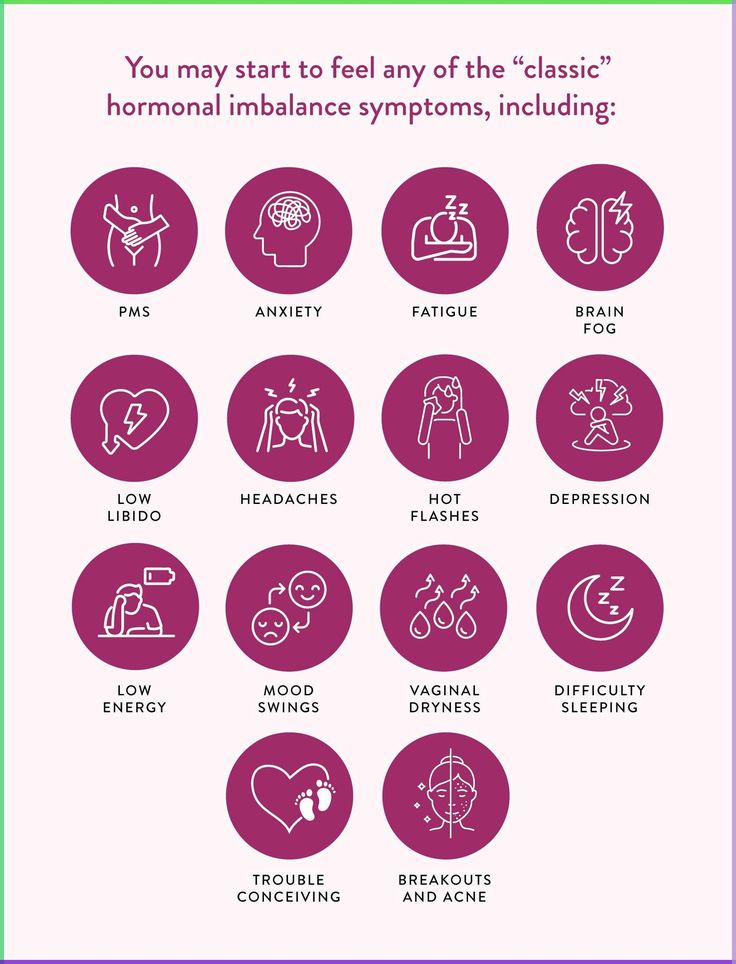
Hormones are the body’s chemical messengers, guiding everything from energy levels to mood and metabolism. When they fall out of balance, women may notice subtle changes that often go unrecognized. Many people overlook these signs, attributing them to stress, age, or lifestyle — but noticing symptoms early can help maintain overall well-being.
Understanding hormonal imbalance in women is about awareness, not fear. This guide highlights common symptoms to watch for and simple, mindful ways to support your hormonal health naturally. From what I have observed, women who pay attention to these early signals and adopt gentle routines feel more balanced and in control of their health over time.
This guide reflects updated wellness practices in 2026.
Who This Guide Is For
- Women curious about their hormonal health
- Beginners noticing unusual changes in mood, energy, or cycles
- Anyone wanting awareness of early signs
Who Should Be Careful
- Women with diagnosed hormonal disorders should consult healthcare professionals before making lifestyle changes
Why Hormonal Imbalance Is Common Today
Modern lifestyles — including stress, irregular sleep, poor nutrition, and environmental factors — can impact hormonal health. Hormones regulate critical body functions, so even small disruptions can affect mood, energy, appetite, weight, and reproductive health.
Many women struggle because these symptoms develop gradually and are often dismissed. Ignoring them may make daily life feel inconsistent, draining, or uncomfortable. Awareness and gentle support can make a noticeable difference without relying on drastic interventions.
Hormonal Imbalance in Women – Common Symptoms You Shouldn’t Ignore
1️⃣ Irregular Menstrual Cycles
What it is:
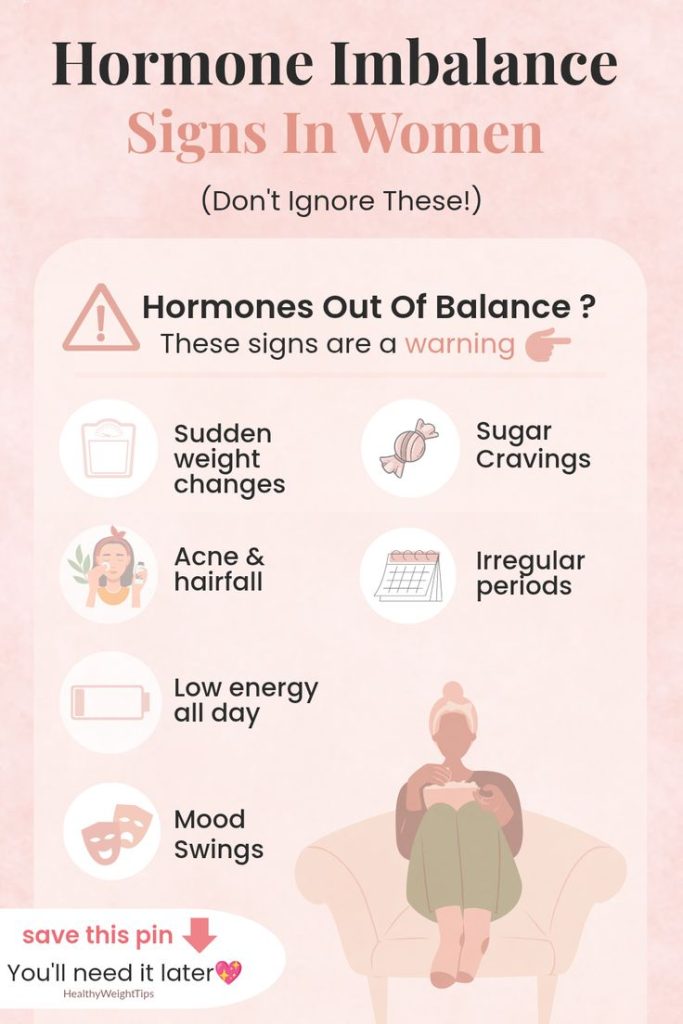
Irregular menstrual cycles happen when your period length, flow, or frequency changes noticeably. This could mean cycles that vary widely in days, skipping one or more months, or becoming unusually heavy or light compared to your usual pattern. While occasional irregularities can be normal, consistent changes may point to hormonal shifts.
How to notice it:
Start by tracking your cycles for several months. Use a calendar, period-tracking app, or a simple journal. Note the start and end dates, flow intensity, and any associated symptoms like cramps or mood swings. If you notice sudden changes that don’t match your usual rhythm, it may signal a hormonal imbalance.
Daily life fit:
Tracking doesn’t have to be complicated. A few minutes each month to log your cycle is enough. Over time, this tracking helps you spot patterns and understand your body better.
Why it matters:
The menstrual cycle reflects the balance of key hormones like estrogen and progesterone. Irregularity may indicate subtle shifts in these hormones, which can affect fertility, mood, and energy. Early awareness allows you to take gentle, supportive steps for hormonal health.
2️⃣ Unexplained Fatigue or Low Energy
What it is:
Fatigue that persists even after a good night’s sleep or regular rest can be a signal that your hormones are out of balance. This is more than occasional tiredness — it’s a feeling that daily tasks are unusually exhausting or energy levels dip frequently.
How to notice it:
Pay attention to your energy throughout the day. If you feel drained during routine activities like work, cooking, or walking, or if you need extra caffeine to stay alert, these could be subtle signs. Keep a simple journal to record energy peaks and lows over a week or two.
Daily life fit:
You can track this by jotting down energy levels in the morning, midday, and evening. Small patterns become clear quickly and help you notice persistent fatigue rather than one-off tired days.
Why it matters:
Hormones such as thyroid hormones, cortisol, and even estrogen affect energy and metabolism. Unexplained fatigue can indicate that these hormones are fluctuating or under stress, which may impact your overall well-being.
3️⃣ Mood Swings, Anxiety, or Irritability
What it is:
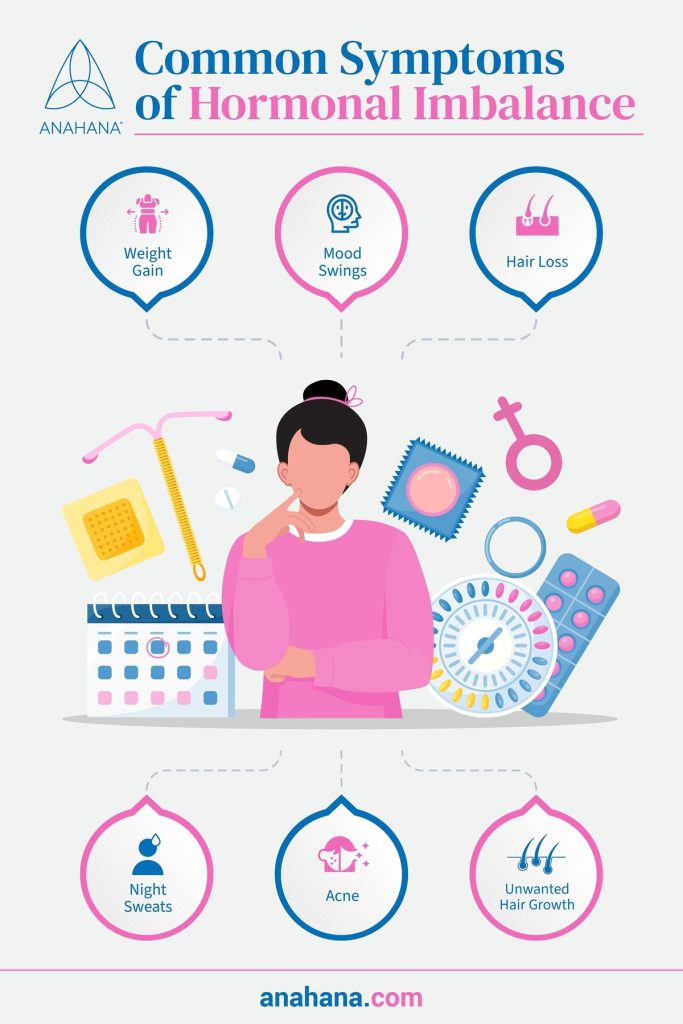
Mood swings involve frequent emotional changes that seem to appear without reason. This might include sudden irritability, heightened anxiety, sadness, or feeling “on edge.” These changes are often linked to hormonal fluctuations, especially during menstrual cycles, perimenopause, or times of stress.
How to notice it:
Keep a simple mood journal or use a notes app. Record daily feelings and note patterns, especially around your cycle or stressful events. Mindfulness apps or small daily check-ins can also help you recognize triggers.
Daily life fit:
You don’t need long journaling sessions — even 1–2 minutes per day to note mood shifts is sufficient. Over time, you’ll see patterns and understand what might be linked to hormonal changes.
Why it matters:
Estrogen and progesterone affect neurotransmitters like serotonin, which regulate mood. Awareness allows you to practice self-care, adjust routines gently, and seek professional advice if needed.
4️⃣ Sudden Weight Changes
What it is:
Unexpected weight gain or loss, especially around the abdomen, hips, or midsection, can sometimes signal hormonal imbalance. It may happen even if eating habits and activity levels haven’t changed.
How to notice it:
Weigh yourself weekly under consistent conditions (same scale, same time of day). Track trends over weeks rather than obsessing over daily fluctuations. Combine this with notes about appetite, cravings, and energy levels.
Daily life fit:
Observe rather than obsess. Small weekly checks are enough to spot meaningful trends.
Why it matters:
Hormones like cortisol, insulin, and thyroid hormones influence metabolism and fat distribution. Noticing changes early can help you make lifestyle adjustments before they become more noticeable.
5️⃣ Sleep Disturbances
What it is:
Difficulty falling asleep, staying asleep, or waking unrefreshed in the morning. This includes tossing and turning, frequent awakenings, or waking too early.
How to notice it:
Track your sleep using a journal, app, or wearable. Note bedtime, wake time, nighttime awakenings, and how refreshed you feel in the morning. Patterns over weeks are more informative than single nights of poor sleep.
Daily life fit:
Create a simple bedtime routine: dim lights, reduce screens 30 minutes before sleep, and practice gentle relaxation. Over time, this habit improves your ability to detect and manage sleep disruptions.
Why it matters:
Melatonin and progesterone play a major role in sleep regulation. Sleep disturbances can be an early sign of hormonal imbalance, affecting mood, energy, and overall wellness.
6️⃣ Changes in Hair, Skin, or Hair Growth
What it is:
Sudden acne, hair thinning, hair loss, or growth of facial/body hair in unusual areas can indicate hormone changes. These are often subtle and gradual, developing over weeks or months.
How to notice it:
Observe your hair and skin weekly. Note new acne spots, thinning, shedding, or growth in areas that weren’t a concern before. Combining these observations with lifestyle notes (stress, diet, sleep) can reveal patterns.
Daily life fit:
Gentle self-care like moisturizing, basic hair care, and a balanced diet helps you track changes while supporting overall skin and hair health.
Why it matters:
Androgen and estrogen imbalances directly influence hair and skin. Awareness allows for lifestyle adjustments or professional advice if changes persist.
7️⃣ Reduced Libido or Sexual Changes
What it is:
Changes in sexual desire, interest, or response compared to your usual patterns. This may include lower libido, decreased sensitivity, or difficulty enjoying intimacy.
How to notice it:
Notice shifts in desire, comfort, or satisfaction. Tracking alongside other symptoms like mood, fatigue, or menstrual changes helps create a fuller picture.
Daily life fit:
Keep observations private and personal — journaling or mental notes work fine. Awareness is the first step; no pressure to “fix” instantly.
Why it matters:
Hormones like testosterone, estrogen, and progesterone influence sexual health. Reduced libido may indicate hormonal fluctuations and overall wellness shifts. Early awareness helps guide gentle support through lifestyle habits or professional advice.
✅ Mini Takeaway for this section:
Hormonal imbalance in women often develops gradually. Observing your body carefully, tracking patterns, and adopting gentle lifestyle habits supports awareness and long-term well-being — without stress or drastic interventions.
Reality Check
- Symptoms may vary among women
- Occasional changes are normal; persistent patterns are more important
- Awareness allows gentle, early support, not instant fixes
TABLE / CHECKLIST
| Symptom | What to Track | Beginner Friendly |
| Irregular cycles | Calendar or app | Yes |
| Fatigue | Energy journal | Yes |
| Mood swings | Daily mood notes | Yes |
| Weight changes | Weekly scale | Yes |
| Sleep disturbances | Sleep diary | Yes |
| Hair/skin changes | Observation | Yes |
| Reduced libido | Personal notes | Yes |
What Can You Expect Over Time?
By noticing symptoms and supporting hormonal health naturally, women may feel more balanced, improve energy patterns, stabilize mood, and maintain a better daily routine. This approach emphasizes awareness, consistency, and gentle lifestyle habits.
Key Takeaway
Hormonal imbalances in women are common and often gradual. Awareness of early symptoms combined with calm, consistent daily habits supports better energy, mood, and overall balance. Gentle routines matter more than perfection.
Start With Awareness
Observe your body and track patterns without stress. Start with small lifestyle adjustments and explore more LifeSyncWell guides to support women’s hormonal health naturally.
Also read : How to Manage Chronic Health Conditions Naturally and Safely
How to Build a Daily Wellness Routine That Actually Sticks
How to Improve Senior Wellness Naturally : 7 Simple Daily Habits
6 Simple Daily Habits to Strengthen Family Wellness
How to Reduce Stress Naturally in Just 10 Minutes (Simple Daily Techniques)
How to Boost Women’s Energy Levels Naturally:5 Daily Habits
How to Build a Healthy Daily Routine : 7 Simple Steps for Better Wellness
10 Simple Daily Wellness Habits to Improve Your Overall Health Naturally
9 Simple Lifestyle Habits to Improve Daily Wellness Naturally
8 Proven Ways to Build Fitness Consistency Without Burning Out
Morning vs Evening Routines: Which Is Better for a Healthy Lifestyle?
7 Morning Habits That Boost Mental Wellness and Reduce Daily Stress Naturally
FAQ
Q1: Can these symptoms be normal?
A: Occasional changes are normal, but persistent patterns may indicate hormonal imbalance in women and warrant awareness.
Q2: How can I support hormonal health naturally?
A: Gentle daily habits like balanced meals, stress management, hydration, regular movement, and consistent sleep can support overall balance.
Q3: Should I consult a doctor if I notice symptoms?
A: Yes. Awareness is the first step, but persistent or severe symptoms should be discussed with a healthcare professional.