
Which of these habits feels easiest for you to start today? Calm Your Mind Naturally : Many people wake up already feeling mentally tired. Even before the day begins, thoughts about work, family, health, and responsibilities start racing. This constant mental noise slowly affects focus, sleep, and emotional balance. Learning how to calm your mind naturally is no longer a luxury — it has become a daily need for overall wellness.
This guide is for anyone who feels mentally overloaded and wants a simple, realistic way to feel calmer without complicated practices. From my experience, small daily habits are much easier to maintain than long routines. When practiced consistently, these gentle steps can support a calmer, more balanced state of mind over time.
This article is regularly updated to reflect current wellness practices in 2026.
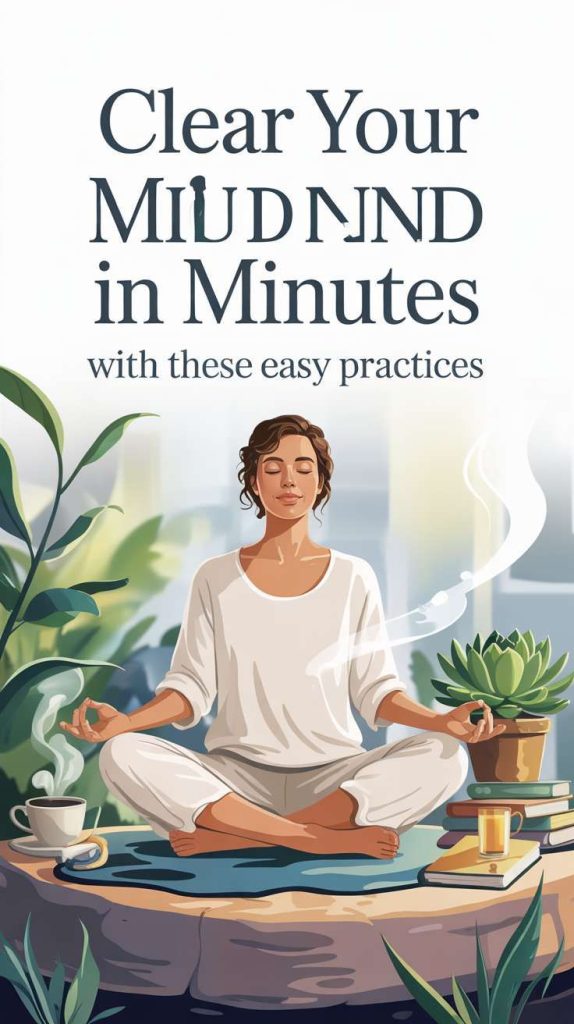
Who This Guide Is For
- People looking for simple daily mental wellness habits
- Beginners who want calm without strict routines
- Anyone feeling mentally tired or overwhelmed
Who Should Be Careful
- Those with diagnosed mental health conditions should seek personalized guidance alongside lifestyle changes
Why Mental Restlessness Is So Common Today
Mental restlessness has become common because modern life rarely allows the mind to slow down. Constant notifications, irregular sleep, emotional pressure, and lack of quiet time keep the brain overstimulated.
Many people try to force calm using willpower, which often backfires. Others ignore early signs like irritability or mental fatigue until they feel overwhelmed. What usually goes wrong is expecting instant calm instead of allowing the mind to settle gradually.
Calm Your Mind Naturally – What Actually Helps
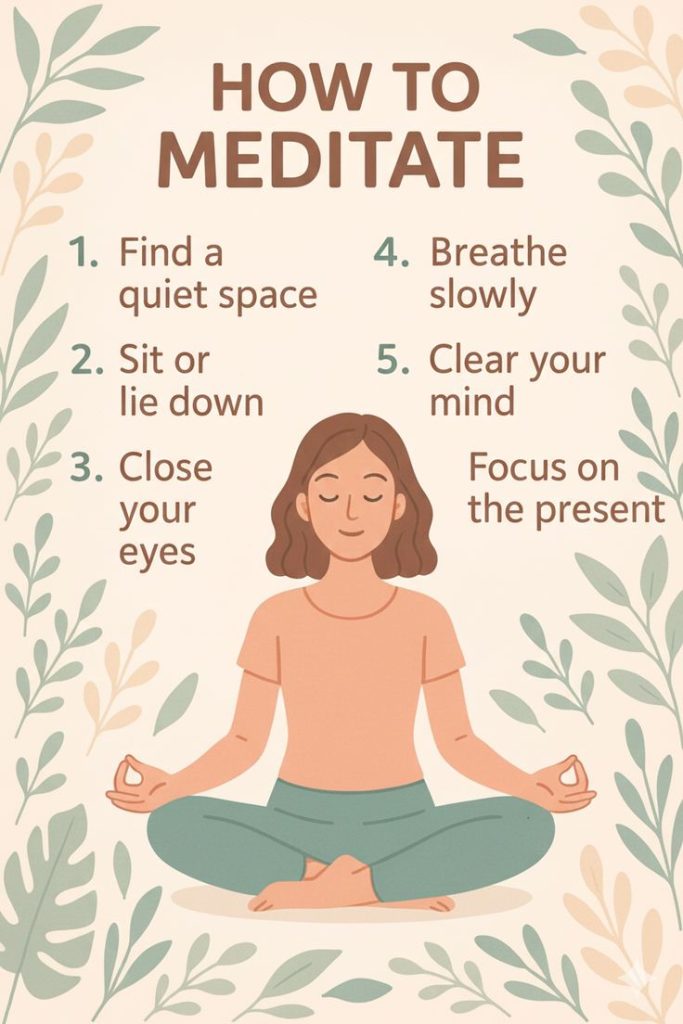
1️⃣ Slow Your Breathing Intentionally
What it is (deep explanation):
Most people breathe very fast and shallow without realizing it, especially when stressed. Intentional slow breathing means you take control of your breath consciously, breathing through the nose instead of the mouth. Nose breathing naturally slows the breath and makes it deeper.
How to do it (clearly):
Sit or lie down comfortably.
- Inhale slowly through your nose for about 4 seconds
- Exhale gently through your nose or mouth for about 6 seconds
The key is that the exhale is slightly longer than the inhale.
Where it fits in daily life:
This works best:
- Right after waking up
- Before sleep
- Anytime you feel anxious, irritated, or mentally restless
You don’t need a quiet room — even doing this while sitting on your bed or chair is enough.
Why it helps (no medical claims):
Slow breathing sends a signal to your body that it is safe to relax. When the body feels safe, the mind naturally starts to calm down. Over time, this simple habit helps reduce mental tension and supports emotional balance.
2️⃣ Create a 5-Minute Silence Window
What it is : A silence window means intentional quiet time — no phone, no TV, no music, and no tasks. It is not meditation and not about forcing thoughts to stop. It is simply allowing the mind to exist without stimulation.
How to do it:
Sit comfortably and close your eyes if you want.
Let thoughts come and go.
Do not judge them, fight them, or analyze them.
Just sit quietly for 5 minutes.
Where it fits in daily life:
- Midday break
- After work
- Evening before dinner
Even sitting quietly on the bed or sofa works.
Why it helps:
The mind is constantly “on” because it is always reacting to something. Silence gives the mind permission to pause.
I have seen this work for many people when followed consistently, because the mind slowly learns that it does not need constant stimulation to feel okay.
3️⃣ Release Physical Tension Gently
What it is : Stress is not only in the mind — it is stored in the body. Common areas include the jaw, neck, shoulders, hands, and stomach. Releasing physical tension helps the mind relax naturally.
How to do it:
Close your eyes and slowly scan your body from head to toe:
- Relax your jaw
- Drop your shoulders
- Loosen your hands
- Soften your stomach
You don’t need to stretch or move much — awareness itself helps.
Where it fits in daily life:
- During stressful moments
- While sitting at work
- Before sleep
You can do this anywhere, anytime.
Why it helps:
When the body relaxes, the mind follows. Physical relaxation reduces internal stress signals, which supports mental calm without forcing positive thinking.
4️⃣ Limit One Mental Trigger Daily
What it is : Mental triggers are small things that create unnecessary stress — endless news, social media comparison, negative conversations, or overthinking situations you can’t control.
Limiting just one trigger per day is enough.
How to do it:
Choose ONE:
- Less scrolling
- Less news
- Fewer comparisons
- Avoid one stressful conversation
You don’t need to remove everything at once.
Where it fits in daily life:
Throughout the day — whenever you notice mental overload.
Why it helps:
Reducing even one trigger lowers mental noise. This prevents the mind from becoming overloaded and helps maintain emotional stability throughout the day.
5️⃣ Practice One Gratitude Thought
What it is : Gratitude does not mean ignoring problems. It simply means acknowledging one positive moment, no matter how small.
How to do it:
At night, think or write one thing you appreciated:
- A peaceful moment
- A kind word
- Completing a small task
It doesn’t need to be big or emotional.
Where it fits in daily life:
Best as part of a night routine before sleep.
Why it helps:
Gratitude gently shifts attention away from stress and toward emotional balance. Over time, this helps reduce negative mental loops.
6️⃣ Maintain a Gentle Sleep Boundary
What it is : A sleep boundary is a clear signal to your mind that the day is ending. Without this, the brain stays active late into the night.
How to do it:
- Choose a fixed wind-down time
- Avoid screens at least 30 minutes before bed
- Do calming activities like reading or quiet breathing
Where it fits in daily life:
Night routine.
Why it helps:
Sleep is when the mind recovers. A gentle boundary allows the brain to slow down naturally, supporting emotional reset and mental clarity.
7️⃣ Stay Consistent, Not Perfect
What it is : Many people quit mental wellness habits because they aim for perfection. Consistency means doing small steps daily, even when motivation is low.
How to do it:
- Focus on effort, not results
- Miss a day? Continue the next day without guilt
Where it fits in daily life:
Everyday mindset.
Why it helps:
Mental calm builds gradually. Small, consistent habits create long-term stability without pressure or burnout.
Reality Check
- Results vary from person to person
- Small steps matter more than quick changes
- Consistency supports long‑term mental wellness
Quick Reference Table / Checklist
| Habit | How Often | Beginner‑Friendly |
| Slow breathing | Daily | Yes |
| Silence window | Daily | Yes |
| Body relaxation | Daily | Yes |
| Reduce triggers | Daily | Yes |
| Gratitude thought | Daily | Yes |
What Results Can You Expect Over Time?
With regular practice, these habits may help reduce mental overload, can support emotional balance, and often improve daily clarity. Progress usually feels gradual and gentle rather than dramatic.
Also read : How to Manage Chronic Health Conditions Naturally and Safely
How to Build a Daily Wellness Routine That Actually Sticks
How to Improve Senior Wellness Naturally : 7 Simple Daily Habits
6 Simple Daily Habits to Strengthen Family Wellness
How to Reduce Stress Naturally in Just 10 Minutes (Simple Daily Techniques)
How to Boost Women’s Energy Levels Naturally:5 Daily Habits
How to Build a Healthy Daily Routine : 7 Simple Steps for Better Wellness
10 Simple Daily Wellness Habits to Improve Your Overall Health Naturally
9 Simple Lifestyle Habits to Improve Daily Wellness Naturally
8 Proven Ways to Build Fitness Consistency Without Burning Out
Morning vs Evening Routines: Which Is Better for a Healthy Lifestyle?
7 Morning Habits That Boost Mental Wellness and Reduce Daily Stress Naturally
Final Takeaway
Mental calm does not come from forcing silence. It develops through small, intentional daily choices. Focus on progress, not perfection. Over time, gentle consistency supports a calmer and more balanced mind.
Small Steps Matter
Start with just one habit today. You may also explore related mental wellness articles on LifeSyncWell or bookmark this guide for daily reference.
Frequently Asked Questions
Q1: How long does it take to calm the mind naturally?
A: Every person is different. Small daily habits practiced consistently can support gradual improvement.
Q2: Can beginners follow this routine easily?
A: Yes, these habits are designed to be simple and beginner‑friendly.
Q3: Is this enough to calm your mind naturally without meditation?
A: These habits can support mental calm naturally without formal meditation practices.